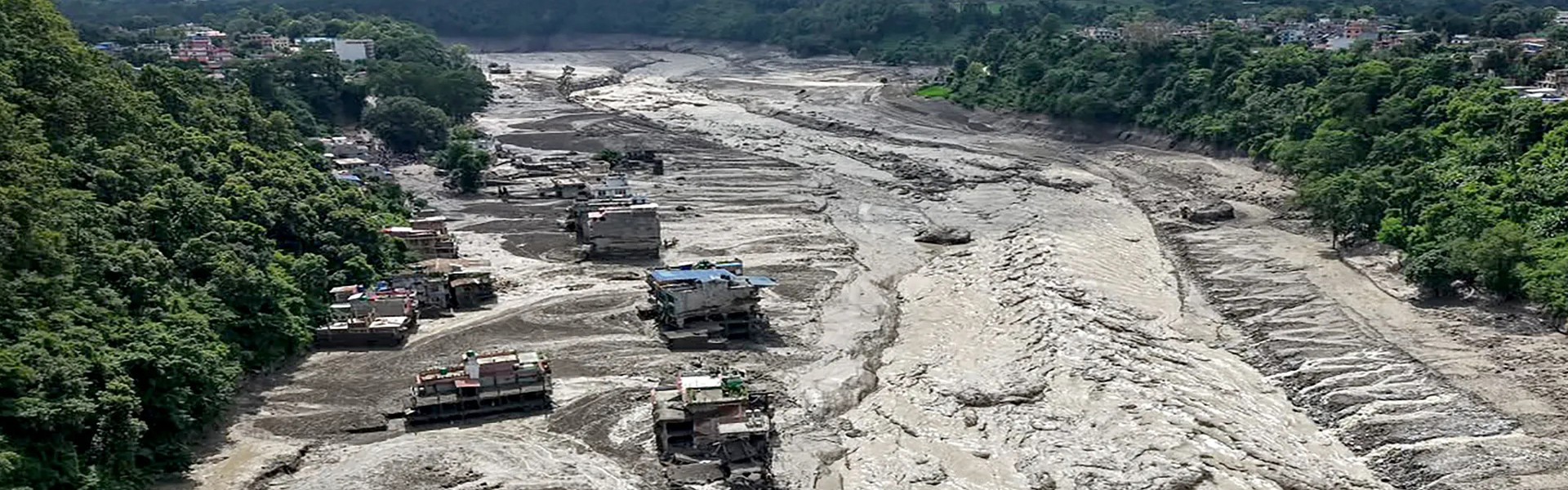
On August 26, 2026, a catastrophic glacial collapse above the Nepal–Tibet border triggered a massive flash flood down the Bhote Koshi and Trishuli River corridor, devastating Rasuwa district and its main trekking gateway, Syabrubesi. With such heavy loss of life and infrastructure damage, many travelers are understandably asking whether it’s safe to trek in Nepal at all this autumn. The honest answer is region-specific: one river valley was hit hard, while the vast majority of Nepal’s trekking trails, including Everest, Annapurna, Manaslu, and Mustang, remain completely unaffected and open as normal. This guide breaks down everything you need to know about trekking permits Nepal, trail conditions, route alternatives, and tourism recovery to help you make informed decisions for your Himalayan trekking adventure this autumn trek Nepal season.
Is It Safe to Trek in Nepal After the 2026 Rasuwa Flood?
Table of Contents
Nepal trekking after the Rasuwa flood has become a major concern for travelers planning a Himalayan adventure in 2026. Following the devastating Nepal flash floods 2026 event in Rasuwa on August 26, many trekkers are asking whether they should cancel their plans, postpone their trip, or choose a different destination.
The good news is that Nepal trekking after floods is still possible, but travelers need to understand that the impact is highly regional.
The Rasuwa flood primarily affected the Bhote Koshi river corridor and infrastructure around northern Rasuwa. This has created serious concerns for the Langtang Trek, particularly access through Syabrubesi. However, major trekking destinations such as Everest, Annapurna and Manaslu are geographically separate from the affected corridor.
So, is it safe to trek in Nepal after the 2026 Rasuwa flood? The answer depends on where you plan to trek.
What Happened in Rasuwa?
On the morning of August 26, 2026, a massive glacial ice and rock collapse occurred high in the mountains, roughly 20 km north of the Rasuwagadhi border crossing. The collapse fell into the Lhende River, which feeds the Bhote Koshi River, which in turn joins the Trishuli River further downstream. The resulting surge of mud, ice, and debris tore through Timure Bazaar, the Rasuwagadhi customs yard, Syabrubesi, Betrawati, and Trishuli Bazar, leaving devastating loss of life and hundreds still reported missing across Nepal and the Tibet Autonomous Region. Our thoughts are with everyone affected by this tragedy, and travelers should approach the region with sensitivity, not just as a “trekking logistics” question.
The flood also damaged sections of the Pasang Lhamu Highway and the Prithvi Highway, disrupted hydropower infrastructure, and washed out bridges connecting several riverside settlements in Rasuwa, Nuwakot, and Dhading districts.
The Key Fact Every Trekker Should Understand
This was a single-river-corridor disaster, not a nationwide one. The Bhote Koshi and Trishuli river system that flooded is geographically and hydrologically separate from the river systems feeding Nepal’s other major trekking regions. That means:
- Everest Base Camp Trek – unaffected, running normally.
- Annapurna Circuit Trek, Annapurna Base Camp Trek, Poon Hill Trek – unaffected, running normally.
- Manaslu Circuit Trek – unaffected by this flood (though separately affected the drive route by recent Krishnabhir landslide disruptions on the Prithvi Highway).
- Upper Mustang and Kanchenjunga region treks – unaffected, running normally.
- Langtang Valley Trek, Tamang Heritage Trail, and Gosaikunda Lake Trek – directly affected, since these all use the Syabrubesi/Dhunche trailhead and the flood-hit access corridor.
Is the Langtang Region Safe to Trek Right Now?
This is where caution is genuinely warranted. Syabrubesi, the standard starting point for the Langtang Valley Trek, sits directly on the flood-hit stretch of river and sustained serious damage. As of early September 2026:
- Vehicle movement remains suspended or severely restricted on the road sections between Trishuli Bazar and Betrawati, and public transport to the affected districts has been halted.
- The upper Langtang trekking trail itself, from Lama Hotel through to Kyanjin Gompa, sits in a different drainage and has not been reported as physically damaged by the flood.
- Gosaikunda Lake Trek access, which also typically routes through the flood-affected corridor, remains unaffected and can be approached from the other side: Sundarijal - Chisapani - Kutumsang - Ghopte - Gosaikunda and return back the same route.
The realistic guidance for this time period for the Langtang region treks are do not attempt independent overland travel toward Syabrubesi right now, avoid all riverbank trails throughout the area, and wait for the Nepal Tourism Board and local authorities to confirm safe road access before booking and commencing a Langtang-region departure in the immediate near term.
Is Langtang Trek Closed?
Not necessarily. The important point is that the Langtang trekking trail itself was not in the direct path of the Bhote Koshi flood. The main trail follows the Langtang Khola through Lama Hotel, Ghodatabela, Langtang Village and Kyanjin Gompa.
The bigger concern is the access route to Langtang. Syabrubesi, the traditional gateway for the Langtang Valley Trek, was affected by the disaster, and sections of the road and bridge infrastructure have been damaged. Thus, rerouting the trailhead the trek can still run as usual, however, avoiding the area till Mid-September is recommended.
What About the Tamang Heritage Trail?
The Tamang Heritage Trail is another route that requires careful consideration because it operates in the Langtang/Rasuwa area.
Unlike trekking destinations farther west or east, this route is more closely connected to the flood-affected northern Rasuwa corridor and the trailhead Syabrubesi is affected, thus is this route should be totally avoided for the time being.
If your priority is minimizing uncertainty, choosing a trekking destination outside Rasuwa may be the better option.
Are Other Trekking Regions in Nepal Safe - Alternative Trekking routes to Langtang?
One of the biggest misconceptions following the disaster is that the entire Himalayan trekking network has been affected. It has not. Nepal is a large and geographically diverse country, and there are numerous alternative treks in Nepal outside the Rasuwa corridor.
Everest Region
The Everest Base Camp Trek is located in the Khumbu region, east of Rasuwa. The Everest region uses the Dudh Koshi river system rather than the Bhote Koshi corridor affected by the flood. The treks in the Everest Region including, Everest Base Camp, Gokyo and the Everest Three Passes routes are operating normally.
For travelers looking for an alternative to Langtang Trek, Everest Base Camp is one of the most obvious choices. The route remains subject to normal Nepal trekking safety considerations, particularly altitude and weather.
Annapurna Region
The Annapurna region is another excellent choice for travelers searching for Nepal trekking alternatives. The Annapurna region is geographically separate from Rasuwa and uses different river systems and the trekking routes are unaffected by the Rasuwa flood.
For many travelers, Annapurna Base Camp, Poon Hill Trek, Mardi Himal, Khopra Danda Trek is one of the best Langtang Valley Trek alternatives and without requiring the same level of physical commitment as Everest Base Camp.
Manaslu Circuit Trek
The Manaslu Circuit Trek is one of the strongest alternative trekking routes to Langtang Trek after the Rasuwa flood. Manaslu is located in the Gorkha region and uses the Budhi Gandaki Valley, completely separate from the Bhote Koshi corridor affected by the flood. However, there has been landslide reported at Krishna Bhir, along the Prithvi Highway. Thus, the travel via local bus will be suspended for certain period, while the private jeep transfer is operated through alternative routes, so you might want to reconsider the trekking plans for Manaslu region if you are trekking on budget.
Pikey Peak Trek
The Pikey Peak Trek is another excellent alternative trek in Nepal. Located in the lower Everest region, Pikey Peak offers spectacular views of the Himalayan range while providing a quieter experience than Everest Base Camp. For someone who planned a short Langtang itinerary, Pikey Peak can be an attractive replacement.
Kanchenjunga and Makalu
For experienced trekkers looking for more remote adventures, Kanchenjunga Circuit Trek and Makalu Base Camp Trek are also outside the Rasuwa flood corridor and has no impact from the August 26 disaster in these regions. These routes are much more remote than Annapurna Circuit and Everest Base Camp and are better suited to trekkers with appropriate experience, preparation and time.
General Trekking Safety Advice After the Flood
Even outside Rasuwa, this disaster is a useful reminder of a few standing best practices for monsoon and post-monsoon trekking in Nepal:
- Always trek with a registered, licensed guide, especially in remote or restricted-area regions.
- Check the latest Department of Hydrology and Meteorology flood warnings and your trekking agency’s real-time updates before any road travel into the hills.
- Build a flexible buffer day into your itinerary, since road access in Nepal’s hill districts can change quickly after heavy rain, whether from flooding, landslides, or bridge damage.
- Keep in mind that Nepal’s various Himalayan river systems are largely independent of one another. A disaster on one river corridor, like the Bhote Koshi and Trishuli, does not automatically affect trekking regions fed by different rivers, such as the Dudh Koshi (Everest) or Kali Gandaki (Annapurna and Mustang).
Is Nepal Safe for Tourists After the Rasuwa Flood?
Despite the tragedy, the autumn trek Nepal season (September-November) remains one of the best times for Himalayan trekking. With clear skies, stable weather, and vibrant festival seasons like Dashain and Tihar, autumn 2026 offers excellent conditions for trekking adventures in unaffected regions.
Kathmandu and the country’s major tourism areas should not be considered affected simply because Rasuwa experienced a major disaster. Kathmandu is outside the flood’s direct path, and the airport operations and domestic flights are normal as usual.
For international visitors, this means that a Nepal holiday can still include:
- Kathmandu sightseeing
- Pokhara
- cultural tours
- jungle safaris
- mountain trekking
- adventure activities
The key is to choose destinations based on current local conditions.
Should You Cancel Your Nepal Trek?
Not necessarily. If your itinerary is in Everest, Annapurna, Manaslu, Kanchenjunga or Makalu, the Rasuwa flood does not automatically require you to change your plans.
If you planned Langtang, Gosaikunda, Tamang Heritage or another Rasuwa-based trek you shall contact us before confiming the trek, postpoing the travel plans, alternatively, you can switch to another destination.
Plan Your Nepal Trek With Nepal Nirvana Trails
The Rasuwa flood is a serious disaster, and travelers should respect the situation and avoid affected areas unless access has been confirmed.
But the disaster does not mean that Nepal trekking routes are closed nationwide.
If Langtang is temporarily inconvenient for your travel dates, you still have excellent choices such as Pikey Peak, Everest Base Camp, Annapurna Base Camp, Poon Hill, Khopra Danda, and Annapurna Circuit Trek, and Kanchenjunga Base Camp Trek.
At Nepal Nirvana Trails, we can help you choose the right route based on the latest available conditions, your preferred travel dates, group size, trekking experience, budget and number of days.
Frequently Asked Questions
Is it safe to trek in Nepal after the 2026 Rasuwa flood?
Yes, trekking remains possible in many parts of Nepal. The Rasuwa disaster was concentrated in a specific river corridor, while major trekking regions such as Everest, Annapurna and Manaslu are geographically separate.
What are the best alternatives to Langtang Trek?
The best Langtang Valley Trek alternatives include Annapurna Circuit Trek, Everest Base Camp, Annapurna Base Camp, Poon Hill, Mardi Himal, Khopra Danda and Pikey Peak.
Is Everest Base Camp affected by the Rasuwa flood?
No. The Everest region is geographically separate from the Rasuwa flood corridor and uses a different river system. Normal trekking and transportation operations are reported to be continuing.
Is Annapurna Base Camp safe after the Nepal flood?
The Annapurna region is outside the Rasuwa flood corridor. It remains a potential safe trekking route in Nepal, subject to normal weather, trail and transportation conditions.
Is Manaslu Circuit Trek affected by the flood?
No direct impact from the Rasuwa flood has been reported for the Manaslu trekking corridor. Manaslu uses a different access route and river system.
What should I do if my Langtang Trek is already booked?
Contact us for the latest Langtang Trek update. Depending on the conditions at your departure date, your itinerary may be adjusted through another route or changed to an alternative trekking destination.
What are the safest trekking destinations in Nepal after the flood?
Rather than describing any Himalayan trek as completely risk-free, travelers should focus on destinations that are outside the Rasuwa flood corridor and currently operational, such as Everest, Annapurna, Manaslu, Pikey Peak, Poon Hill and Khopra Danda, while checking current local conditions before departure.
Final Verdict: Is It Safe to Trek in Nepal?
Yes, Nepal is safe to trek after the 2026 Rasuwa flood, with important caveats. The flood-affected Rasuwa region—specifically Langtang, Gosaikunda, and Tamang Heritage should be avoided until authorities confirm trail safety and road access are restored. However, all other major trekking regions, including Everest Base Camp, Annapurna Circuit, and Manaslu, remain 100% safe and fully operational.
For trekkers planning their Himalayan adventure this autumn 2026, the key is to stay informed, work with registered trekking operators, and remain flexible with route planning. Nepal’s trekking infrastructure outside Rasuwa is intact, and the country continues to welcome visitors with its legendary hospitality, breathtaking mountain scenery, and rich cultural heritage.