Best Time to Visit Pikey Peak Trek
Pikey Peak Trek can technically be done year-round, though spring (March–May) and autumn (September–November) remain the most favorable seasons for the best conditions.
Spring (March-May)
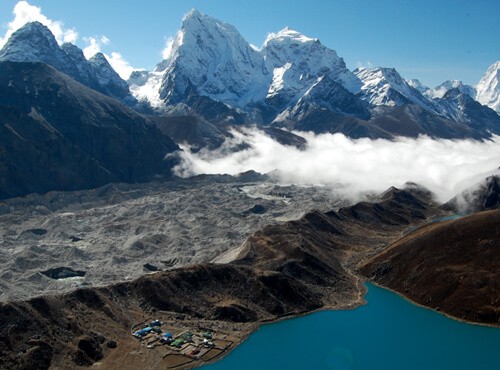
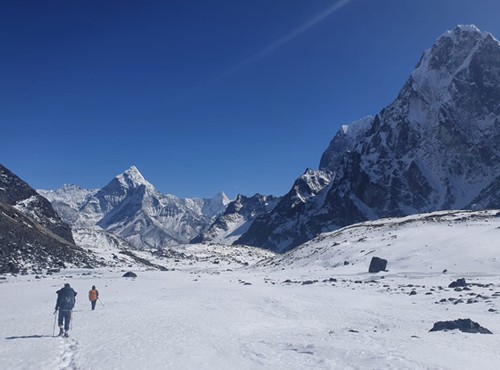
Spring stands out as one of the best times to trek, offering mild temperatures and generally settled weather. Winter snow has mostly cleared from the trails by this point, though you might still encounter some lingering patches higher up. With daylight hours stretching longer, you get more comfortable trekking time and better opportunities for photography. Rhododendrons burst into bloom alongside colorful alpine flowers and fresh greenery, while clear skies overhead frame the snow-capped peaks beautifully.
Autumn (September-November)
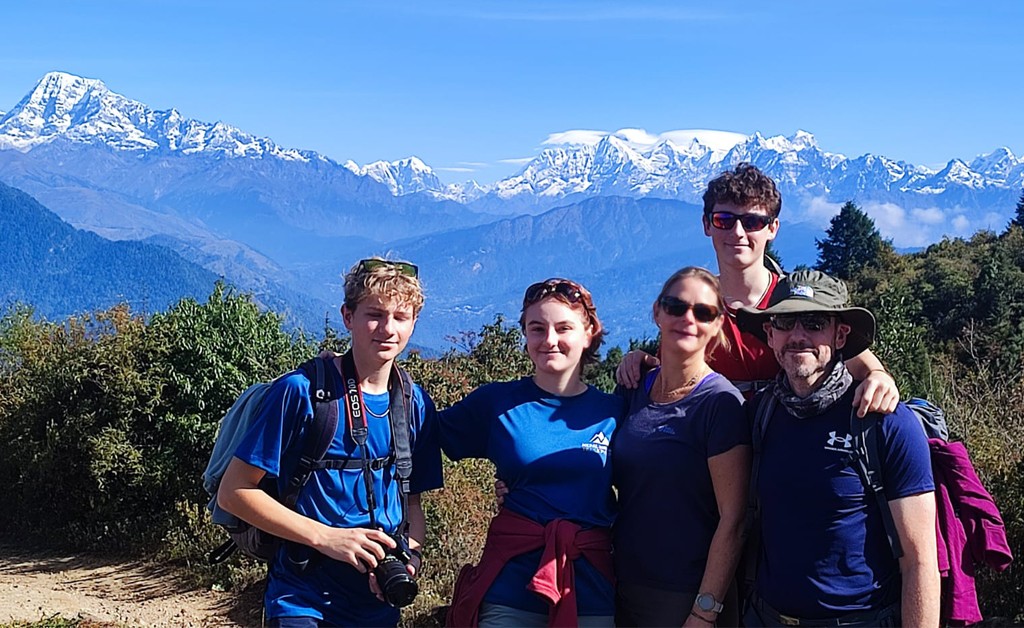
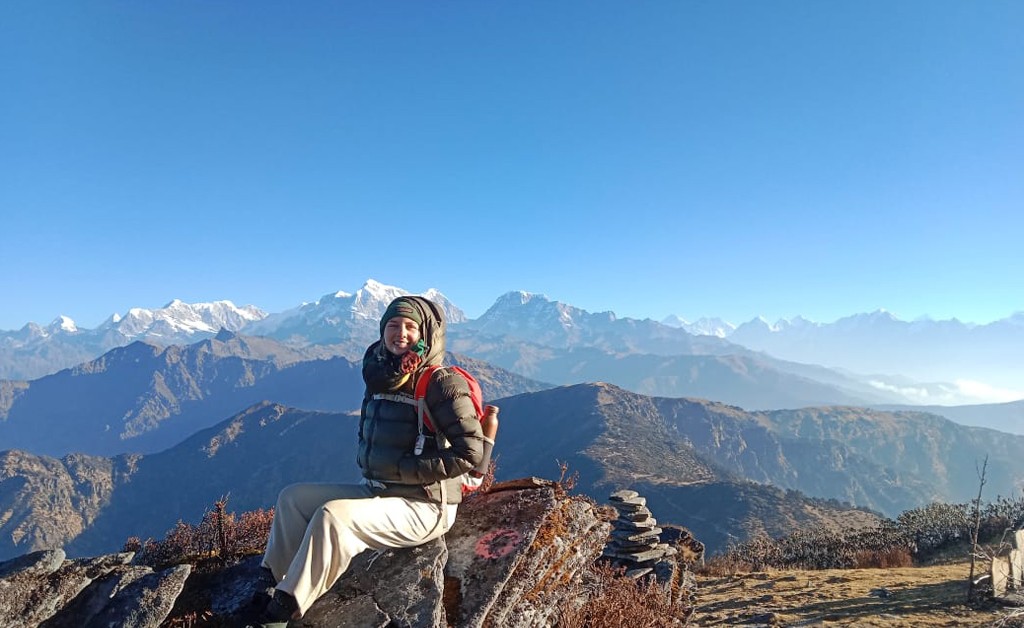
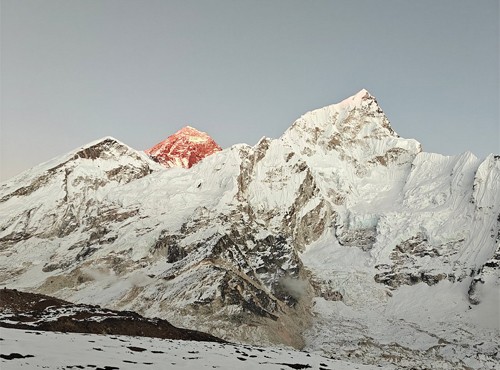
Autumn ranks among the finest seasons for the Pikey Peak Trek, thanks to post-monsoon weather that delivers clear skies, minimal haze, and sharp mountain visibility. On good-visibility days, the Himalayan peaks appear from Pikey Peak with striking clarity. Daytime temperatures across the lower and mid-hills typically range from 12–20°C, with nights cooling down but remaining manageable. The drier conditions also improve footing on rocky paths, forest trails, and ridgelines, making the route easier to navigate overall. Between the blue skies and fresh mountain air, conditions are ideal for taking in dramatic sunrises and sunsets, with snow-capped peaks silhouetted sharply against the horizon. Post-monsoon greenery leaves the forests, meadows, and villages looking lush and vibrant, and trekking in autumn also means the chance to witness some of Nepal's major festivals alongside traditional harvest-season activities.
Winter ( December-February)
Winter trekking along the Pikey Peak route is achievable for those ready to handle cold temperatures and occasional snowfall at higher elevations. With trail traffic thinning out, this season offers a quieter, more peaceful trekking experience overall. That said, warm clothing, proper winter gear, and a flexible itinerary are essential, since shifting weather conditions can sometimes affect trail accessibility.
Monsoon (June- August)
Monsoon season brings frequent rainfall, vibrant green landscapes, and quieter trails with far fewer trekkers around. Trails do turn wet and slippery during this time, and cloud cover can occasionally block out the Himalayan views. Still, with the right rain gear and a bit of flexibility, the Pikey Peak Trek can remain a worthwhile experience even in monsoon.
Hiring a Guide And Porter For The Pikey Peak Trek
When planning the Pikey Peak Trek, Having a licensed local guide and porter can make the journey much easier and more rewarding. Their support is especially valuable for safety and navigation, as experienced guides know the terrain well, can identify risks such as sudden weather changes or unstable trails, provide basic first aid, and adjust the route when needed. With their local expertise and constant guidance, you can trek through the mountains with greater confidence and peace of mind.
A porter helps make your trek more comfortable by carrying essential items such as your sleeping bag, extra clothing, and trekking equipment. Traveling with less weight helps you to maintain a steady, comfortable pace while reducing strain on your knees, back, and muscles. With both a knowledgeable guide and a reliable porter by your side, you can conserve your energy and fully enjoy the breathtaking mountain landscapes, local traditions, and memorable experiences along the trail.
Hiring a local guide also adds a valuable cultural dimension to the trek. Many guides have strong connections to the region and can provide genuine insights into Sherpa culture, traditional Himalayan lifestyles, village communities, and local customs.
Tea House Accommodation and Food Services During The Pikey Peak Trek Route
Along the Pikey Peak Trek, you'll mostly be staying in cozy teahouses and local lodges run by families in the area. They're simple, but comfortable enough, and they give you a genuine taste of the warm hospitality that the Himalayan region is known for.
Rooms in most teahouses are set up for twin-sharing, typically equipped with beds, mattresses, blankets, and pillows. Bathrooms tend to be shared between guests, though a handful of lodges offer rooms with attached facilities. As you trek into higher and more remote areas, the accommodation becomes more basic, with fewer facilities and limited options for places to stay.
Meals are typically served right at the same teahouse you're staying in, so there's no need to wander off in search of food after a long day on the trail. The menus tend to be simple and hearty, built around what's practical to cook at altitude and easy on tired legs. Meals along the trek are generally simple, hearty, and satisfying. Dal bhat, made with rice, lentils, and vegetables, is a popular choice and a staple meal for trekkers. You’ll also find familiar options such as noodles, soups, and Tibetan bread, giving you plenty of warm and filling choices after a day on the trail. Beyond these staples, most teahouses round out their menus with other easy, local comfort food: things like fried rice, momos, or porridge for breakfast.
Drinking Water Availability on the Pikey Peak Trail
Staying properly hydrated on the Pikey Peak Trek is easy enough, since most tea houses along the route offer boiled or filtered water, typically for a small charge. Bottled water is also available at many stops along the trail. However, it’s best not to drink directly from streams or other natural water sources without treating the water first, as even clear mountain water can contain harmful bacteria or parasites.
Carrying your own water purification method, such as a filter, purification tablets, or a UV sterilizer, is a good idea. It gives you an extra option when teahouses are limited and provides peace of mind, especially on the more remote sections of the trek.
Hot Showers and Charging on the Pikey Peak Trek
Hot Showers
Showering facilities on the Pikey Peak Trek are generally simple, with bucket-style showers available at most teahouses. Hot showers can often be arranged for an additional fee, although they are more readily available in the lower sections of the trail. In the higher and more remote areas around Pikey Base Camp, hot water may be less readily available due to limited facilities.
Charging
Most teahouses along the route do offer charging facilities, whether through outlets in your room or in common areas, and some lodges even provide universal adapters or multi-plug points for added convenience.
However, since you’re trekking in remote mountain areas, electricity can sometimes be unreliable, especially at higher elevations. A little backup goes a long way, which is why we recommends bringing along a power bank, or even considering a solar charger or portable charging kit for extra reliability.
Wi-Fi And Mobile Coverage on the Pikey Peak Trek
Mobile network coverage is available along the route, although it can vary considerably depending on the location. Lower areas generally have better reception, while coverage becomes weaker and more intermittent as the trail reaches higher and more remote sections.
For mobile connectivity, you can choose between Ncell and NTC (Nepal Telecom). NTC is generally a good option for maintaining coverage in higher-altitude areas, although the signal can still be limited in remote locations.
Pikey Peak Trekking Packing List
Clothing
- Moisture-wicking base layers
- Fleece or insulated mid-layer
- Waterproof/windproof outer shell jacket
- Trekking pants
- Several pairs of moisture-wicking socks
- Warm hat/beanie
- Gloves
- Buff or scarf (dust and wind protection)
Footwear
- Broken-in waterproof trekking boots
- Lightweight camp shoes or sandals
Sleeping Gear
Health & Hygiene
- Basic first-aid kit
- Hand sanitizer
- Biodegradable soap
- Quick-dry towel
- Sunscreen
- Lip balm with SPF
- Toilet paper
Hydration & Water Treatment
- Reusable water bottle or hydration bladder
- Water filter, purification tablets, or UV sterilizer
Electronics
- Headlamp with extra batteries
- Power bank
- Camera or phone
- Universal adapter
Trekking Gear
- Trekking poles
- Daypack (30–40L)
Travel Insurance
Although Pikey Peak is a moderate trek, mountain conditions can be unpredictable, and unexpected weather, landslides, or other emergencies can sometimes occur. For peace of mind, it’s important to have travel insurance that covers trekking at the required altitude and includes emergency evacuation if needed.
The right policy should cover trekking above 4,000 meters, altitude sickness, medical treatment, emergency evacuation, trip cancellation, and even lost baggage. Finally, always keep both a printed and digital copy of your insurance policy on hand, along with emergency contact numbers, so you're fully prepared should anything go wrong on the trail.
Why book with Nepal Nirvana Trails?
If you’re planning a Pikey Peak Trek and want a comfortable, well-organized, and memorable experience, Nepal Nirvana Trials is here to help. With deep local knowledge of the Himalayas and strong connections with the Sherpa communities, our experienced team understands both the trails and the culture that makes the Everest region so special. With more than a decade of experience across Nepal’s major trekking routes, our guides and porters bring practical knowledge and genuine care to every journey.
Nepal Nirvana Trails is government-certified through TAAN, the Nepal Tourism Board, and NMA, and has earned 5-star reviews on TripAdvisor from trekkers around the world. Our guides and support staff receive professional training in high-altitude safety, first aid, emergency response, and effective communication, with regular training to keep their skills up to date.
Every trek is carefully planned around a comfortable pace, proper acclimatization, and suitable buffer days. Our established relationships with local teahouses and luxury lodges also help us arrange comfortable accommodation throughout the Khumbu region. To make your journey easier, we provide complimentary essential gear such as sleeping bags, down jackets, trekking poles, and crampons, allowing you to pack lighter without compromising on comfort.
We also understand that every traveler has different needs. Whether you prefer a private trek or a small-group experience, our team can tailor the journey to suit your preferences. From the initial planning to the final day on the trail, we aim to provide responsive support, quality service, and a comfortable Himalayan experience at a fair price.