Annapurna Circuit Trek - 14 Days

Know before you go
  • Duration 14 Days
  • Difficulty Level Strenuous
  • Trip Start and End Kathmandu to Kathmandu
  • Best Season March - May and Mid-Sep - Nov
  • Trip Area Annapurna Region
  • Maximum Altitude 5416m.|17769ft.

Highlights

  • Discover traditional hill and mountain villages rich in culture and local community life.
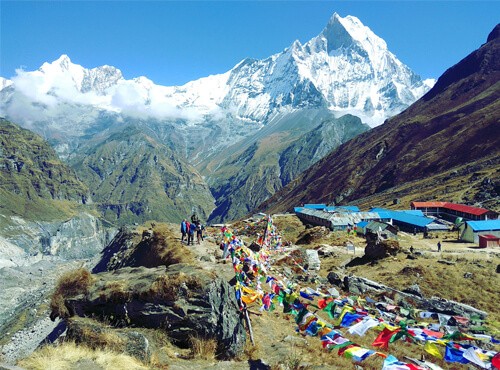
  • Enjoy breathtaking Himalayan views of Annapurna I, II, III, IV, Gangapurna, Dhaulagiri, Manaslu, and Machhapuchhre.
  • Visit the holy Muktinath Temple, an important pilgrimage site.
  • Explore the Marpha Village - Apple Capital of Nepal
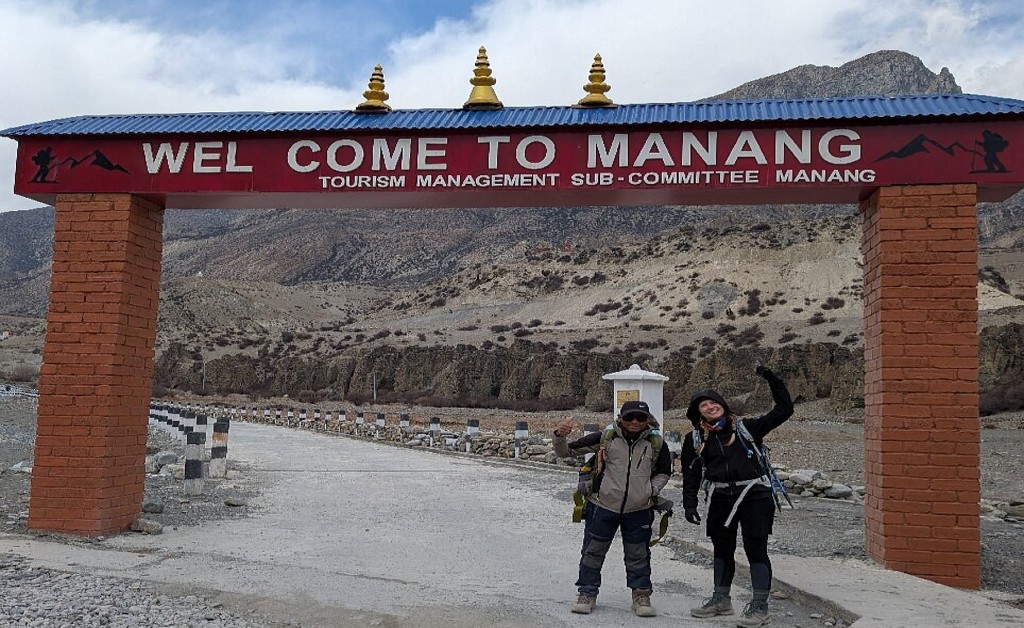
  • Unveil charming mountain towns like Manang, Pisang, and Marpha.
  • Witness dramatic climatic and geographical changes throughout the circuit trail.

Overview of the Annapurna Circuit Trek - 14 days

The 14-day Annapurna Circuit Trek is a remarkable Himalayan expedition that circles through ever-changing landscapes, remote villages, and high mountain terrain in the heart of Nepal’s Himalayan region. Along the route, trekkers experience dramatic valleys, diverse ecosystems, and centuries-old mountain settlements shaped by deep-rooted Himalayan traditions. This renowned journey stands out as one of Nepal’s most varied treks, offering a perfect mix of nature, culture, and Himalayan exploration.

The journey begins with a scenic drive from Kathmandu to Tal, passing through lush hills, flowing rivers, and traditional villages that mark the start of the Annapurna region. Throughout the journey, you gradually ascend from low river valleys to the high Himalayan landscape, crossing traditional settlements such as Danaque, Chame, Manang, and Yak Kharka before reaching the challenging Thorong La Pass at 5,416 meters. After completing the high-pass crossing, the route descends into the sacred Muktinath region, and continues through the dramatic Kali Gandaki Valley, then offers a scenic drive to Marpha, the Apple Capital of Nepal. The adventure then concludes with a return journey from Marpha to Pokhara to Kathmandu, completing a full circuit of diverse terrain, culture, and mountain experiences.

Culture & Local Experience throughout AC Trek

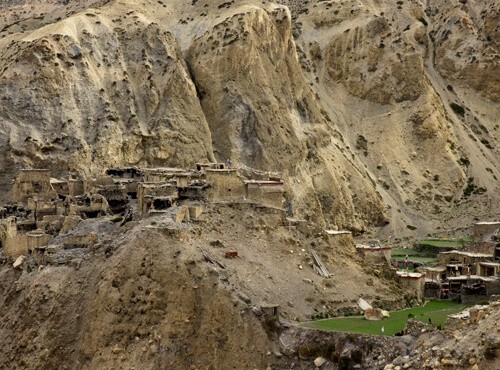
Cultural and local experiences in the Annapurna region reflect the deep traditions, heritage, and daily life of Himalayan communities. The trek offers an authentic cultural journey through diverse ethnic communities where you will experience the warm welcome of Gurung, Thakali, Magar, and Tibetan-influenced communities. Along the trail, you will see traditional stone houses, prayer flags, monasteries, and chortens lining the route, highlighting the strong spiritual connection local communities share with the Himalayas. Traditional attire, local festivals, and ancient Tibetan Buddhist practices enrich your trekking experience with vibrant cultural depth and authenticity. Homestays and teahouses create meaningful cultural connections, where you can share meals with locals, experience traditional Nepali hospitality, and witness the humble yet resilient mountain way of life.

Why to choose the 14-day Annapurna Circuit Trek?

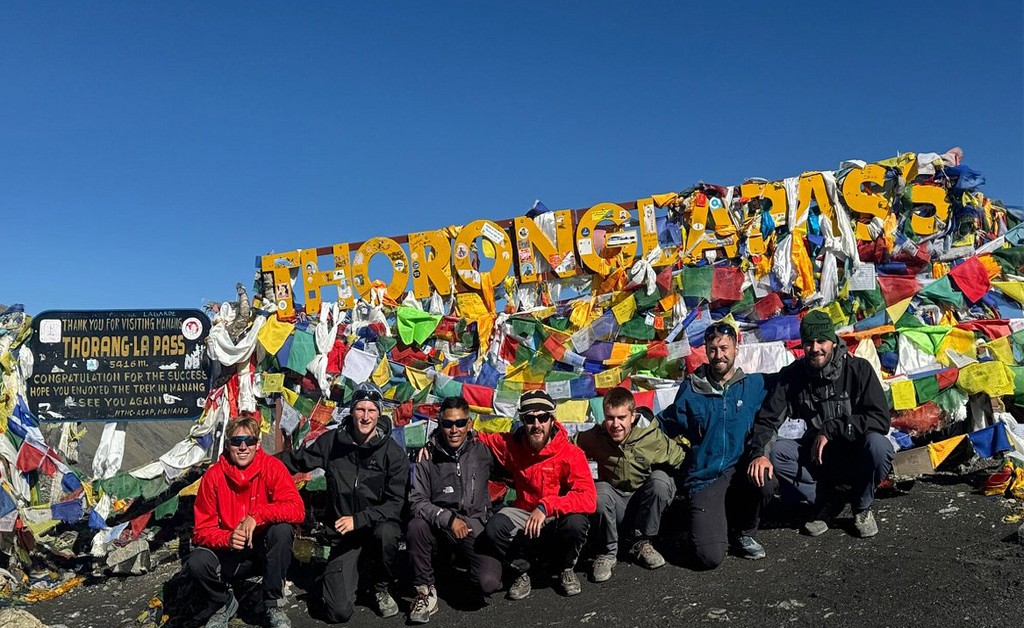
The 14-day Annapurna Circuit Trek is one of the most famous trekking routes in Nepal, and choosing it is one of the best decisions for adventure enthusiasts due to its extraordinary topographical diversity. On a single continuous route, the Annapurna Circuit Trek takes you from lush subtropical forests, river valleys, and terraced farmlands to alpine landscapes and the iconic Thorong La Pass (5,416m), offering one of the most diverse trekking experiences in the Himalayas. This full spectrum of Himalayan landscape is a rare experience that few trekking routes in the world can offer, making the Annapurna Circuit one of the most attractive and rewarding adventures for trekkers.

Another major reason is cultural richness. The Annapurna Circuit trek route goes through culturally diverse Gurung, Thakali, and Tibetan-influenced Himalayan communities, where villages like Chame, Manang, and Muktinath allow trekkers to experience ancient Buddhist monasteries, sacred Hindu pilgrimage sites, traditional stone houses, and the unique cultural lifestyle of the Nepalese highlands. Finally, the highlight factor is unmatched: crossing the Thorong La Pass and reaching Muktinath Temple creates a strong emotional and achievement-driven moment that trekkers often list as a lifetime memory.

Who can do the 14-day Annapurna Circuit trek?

The 14-day Annapurna Circuit Trek is ideal for a diverse range of adventurers, from enthusiastic first-time trekkers to seasoned hikers. The trek is considered moderately challenging; however, it follows established trails and does not require technical climbing abilities. Beginners with reasonable fitness and an active lifestyle can successfully complete the trek, as regular exercise helps build the endurance needed for long days of walking. For experienced hikers, the Annapurna Circuit offers a rewarding combination of spectacular mountain views, ever-changing landscapes, rich cultural experiences, and the achievement of traversing the iconic Thorong La Pass. The Annapurna Circuit is a paradise for nature and adventure lovers, showcasing a stunning transition from lush forests and fertile valleys to alpine pastures, barren Himalayan landscapes, and scenic mountain settlements. The trek also appeals to those interested in culture, offering opportunities to interact with Gurung, Manangi, and Thakali communities while exploring ancient monasteries, prayer flags, chortens, and sacred pilgrimage sites. The trek has no specific age restrictions and is frequently undertaken by fit teenagers, adults, and active older travelers. Rather than age, the most important requirements are good physical health, adequate stamina, and the ability to comfortably trek for 5–8 hours daily over multiple days. With proper preparation, gradual acclimatization, and a consistent pace, the Annapurna Circuit offers a safe, rewarding, and unforgettable Himalayan adventure for a wide range of trekkers.

Why choose Nepal Nirvana Trails for your Annapurna Circuit Journey?

Booking your Annapurna Circuit adventure with Nepal Nirvana Trails means choosing a trusted local company dedicated to delivering safe, authentic, and unforgettable Himalayan experiences. Our experienced team of licensed guides and travel professionals carefully plans every detail of your journey, allowing you to focus on enjoying the adventure with complete peace of mind.

We prioritize your safety and comfort through expert guidance, proper acclimatization planning, reliable logistics, and comfortable accommodations throughout the trek. Whether you are an experienced trekker or embarking on your first Himalayan adventure, we tailor each journey to match your interests, fitness level, and travel goals.

Beyond the spectacular mountain scenery, we offer meaningful opportunities to experience Nepal's rich culture, ancient traditions, and warm local hospitality, creating memories that last long after the trek ends. With transparent pricing, flexible booking options, responsive communication, and 24/7 support before and during your journey, Nepal Nirvana Trails provides exceptional value and a seamless trekking experience.

When you book the Annapurna Trekking Trails trek with Nepal Nirvana Trails, you can expect:

  • Experienced, licensed, and professional trekking guides.
  • English-speaking guides and excellent knowledge of local cultures and languages.
  • Prompt, personalized, and professional service from your first inquiry until your departure.
  • Well-trained guides and support staff committed to delivering the highest standards of safety and service.
  • Pre-trek consultation with our trekking experts.
  • Expert guidance on acclimatization and trekking preparation.
  • Flexible departure dates to suit your schedule.
  • Competitive and transparent pricing with no hidden costs.
  • Friendly, reliable, and customer-focused service throughout your journey.
Itinerary

Day 1: Arrival in Kathmandu (1400m.|4593ft.) (Hotel: Booked by us)
Day 2: Drive from Kathmandu to Tal (1700m.|5577ft.)
Day 3: Trek from Tal to Danaque (2200m.|7217ft.)
Day 4: Trek from Danaque to Chame (2610m.|8890ft.) 
Day 5: Chame to Upper Pisang (3300m.|10824ft.) 
Day 6: Trek to Manang (3540m.|11612ft.) via Nawal 
Day 7: Manang: Acclimatization Day - Hike to Ice Lake or Gangapurna Lake
Day 8: Manang to Yak Kharka (4060m.|13316ft.) 
Day 9: Yak Kharka to Phedi (4525m|14842ft.) 
Day 10: Trek to Muktinath (3800m.|12464ft.) via Thorong La Pass (5416m.|17769ft.) 
Day 11: Drive from Muktinath to Marpha (2650m.|8694ft.)
Day 12: Drive from Marpha to Pokhara (800m.|2625ft.) (Hotel: Booked by us)
Day 13: Tourist Bus Drive from Pokhara to Kathmandu (1400m.|4593ft.) (Hotel: Booked by us)
Day 14: Depart from Nepal

Day to Day Details

Expand AllCollapse All

  • 1400m.|4593ft.

  • Breakfast, Lunch and Dinner
  • 1700m.|5577ft.

  • Breakfast, Lunch and Dinner
  • 2200m.|7217ft.

  • Breakfast, Lunch and Dinner
  • 2610m.|8890ft.

  • Breakfast, Lunch and Dinner
  • 3300m.|10824ft.

  • Breakfast, Lunch and Dinner
  • 3540m.|11612ft.

  • Breakfast, Lunch and Dinner

  • Breakfast, Lunch and Dinner
  • 4060m.|13316ft.

  • Breakfast, Lunch and Dinner
  • 4525m|14842ft.

  • Breakfast, Lunch and Dinner
  • 5416m.|17769ft.

  • Breakfast, Lunch and Dinner
  • 2650m.|8694ft.

  • Breakfast and Lunch
  • 800m.|2625ft.

  • Breakfast
  • 1400m.|4593ft.

Share your travel plans, and our experts will craft a fully customized journey just for you. From thrilling treks and adventure activities to cultural experiences and nature explorations, we create every detail for a safe, seamless, and unforgettable holiday in 2026.

Useful Info

Difficulty Level & Fitness Requirement

The Annapurna Circuit Trek is a moderately demanding adventure that requires good physical fitness and stamina. The route involves daily walks of 5–8 hours through diverse environments, including forested trails, rocky paths, steep ascents, and high-altitude sections. The highlight and toughest part of the journey is crossing  Thorong La Pass (5,416m) with reduced oxygen levels and unpredictable weather.

The Annapurna Circuit Trek requires a good level of physical fitness, as it involves long trekking days of typically 5 to 8 hours across rugged mountain trails and varying elevations. Although the trek does not require any technical climbing skills, good endurance and stamina are essential, as you must navigate steep uphill and downhill sections while carrying a daypack. Previous trekking experience can be beneficial, but it is not mandatory. Regular participation in activities such as hiking, running, swimming, cycling, or other endurance-based exercises is appreciated as it can help prepare for the physical demands of the route. The Annapurna Circuit Trek is achievable for both experienced trekkers and active beginners seeking an unforgettable Himalayan adventure.

Best Season for 14 days Annapurna Trekking Trails in Nepal?

The best time to visit the Annapurna Circuit Trek is year-round; however, spring (March to May) and autumn (September to November) are considered the most favorable seasons.

Spring (March to May)

Spring (March to May) is one of the best seasons to trek the Annapurna Circuit. During this period, the weather is generally stable, with mild temperatures and clear mountain views. The lower hills and forests are colorful as rhododendrons and other wildflowers bloom, creating vibrant landscapes along the trail. Days are pleasantly warm for trekking, while higher elevations remain cool and comfortable. Spring offers ideal conditions with excellent visibility of the Annapurna and Dhaulagiri ranges for both trekking and photography.

Autumn (September to November)

Autumn (September to November) is widely regarded as the best time to trek the Annapurna Circuit. Following the monsoon season, the skies become exceptionally clear, offering breathtaking views of the Annapurna, Dhaulagiri, and Manaslu mountain ranges. The weather is generally dry and stable, with comfortable daytime temperatures and crisp mountain air. Autumn offers spectacular Himalayan panoramas alongside vibrant local festivals.

Winter (December to February)

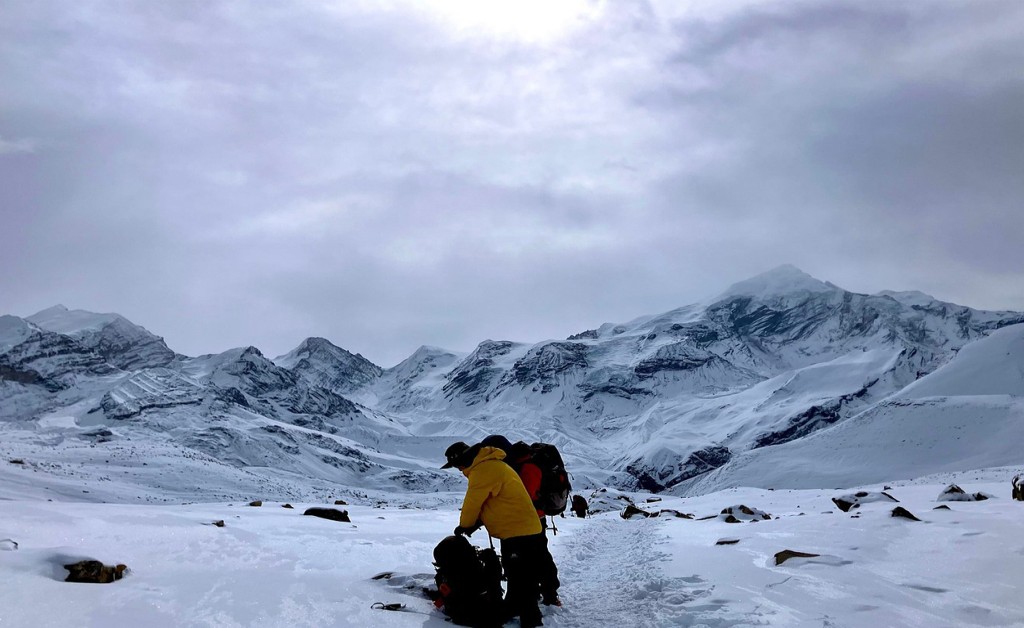
Winter (December to February) offers a quieter and more peaceful trekking experience on the Annapurna Circuit. The trails are less crowded, allowing trekkers to enjoy the pristine beauty of the Himalayas in solitude. Clear skies often provide stunning mountain views, particularly during the mornings. However, temperatures can drop significantly at higher elevations, and snowfall may occur around Thorong La Pass (5,416m), occasionally leading to temporary trail closures. You should be well-prepared for cold weather and changing mountain conditions, but you are rewarded with spectacular snowy landscapes and a unique Himalayan experience.

Monsoon (June to August)

Monsoon Season (June to August) is the least favorable season for the Annapurna Circuit Trek due to frequent rainfall, muddy trails, and limited mountain views. However, it offers a unique experience for those seeking solitude and lush natural scenery. The hills and forests become vibrant and green, rivers flow at their fullest, and the trails are significantly less crowded. You should be prepared for slippery trails, occasional landslides, and unpredictable weather, but the monsoon season can still be rewarding for experienced adventurers seeking a quieter Himalayan journey.

Altitude Sickness during the 14-day Annapurna Circuit Trek

The Annapurna Circuit Trek reaches a highest point of around 5,416 meters (17,769 feet) at Thorong La Pass in the Himalayas of Nepal. The trail passes through a wide range of climatic zones, from subtropical valleys to high alpine landscapes. As trekkers ascend, the air becomes progressively thinner, and temperatures drop significantly, especially at higher elevations such as Manang and the pass itself. Although most trekkers acclimatize gradually, mild symptoms of altitude sickness, such as headaches, fatigue, or shortness of breath, may occur, making proper acclimatization, hydration, and a steady trekking pace essential for a safe and enjoyable journey.

Permits Required for the Annapurna Circuit Trek

To trek the Annapurna Circuit, all foreign trekkers must obtain the necessary permits before entering the trekking region. The trail passes through the Annapurna Conservation Area, one of Nepal's largest protected areas, making the Annapurna Conservation Area Permit (ACAP) mandatory for all visitors to support environmental conservation. For a smooth, hassle-free trekking experience, all required permits can be conveniently arranged through Nepal Nirvana Trails, allowing you to focus on enjoying the Himalayan adventure.

Accommodation & Food during 14 days Annapurna Circuit Trek  

The 14-day Annapurna Circuit trek offers comfortable teahouse accommodation and a wide variety of food options throughout the journey. As one of Nepal's most established trekking routes, the trail is lined with numerous family-run lodges and teahouses that provide trekkers with a warm welcome and authentic Himalayan hospitality.

Accommodation along the Annapurna Circuit typically consists of simple yet comfortable twin-sharing rooms that provide the essential comforts. In the lower regions, teahouses often offer additional amenities, while accommodations become more basic as the trek gains altitude. Despite the simpler facilities at higher elevations, teahouses remain clean, warm, and welcoming, providing a cozy retreat where you can relax, recharge, and prepare for the next day's adventure in the Himalayas. Food during the Annapurna Circuit trek is surprisingly diverse, offering a wide selection of local Nepali and international dishes throughout the journey. Teahouse menus also feature a variety of options with a range of hot beverages to help to stay warm and hydrated. The trek offers an opportunity to experience the rich culinary traditions of the Himalayan region. While food choices are plentiful throughout the trek, menus become slightly more limited at higher elevations. Overall, the combination of welcoming teahouse accommodations and nourishing meals makes the Annapurna Circuit Trek both comfortable and enjoyable.

Travel Insurance for the Annapurna Circuit Trek

Travel insurance is highly recommended for anyone undertaking the Annapurna Circuit Trek. As the trek ascends to an altitude of 5,416 meters at Thorong La Pass, comprehensive insurance coverage is essential, providing financial protection and peace of mind throughout the journey. Unexpected situations such as altitude-related illnesses, injuries, flight delays, trip interruptions, or emergency evacuations can occur in the remote Himalayan region, making adequate coverage an important part of trek preparation.

When purchasing travel insurance, you should ensure that the policy covers emergency medical treatment, hospitalization, trip cancellations, lost or delayed baggage, and, most importantly, helicopter evacuation up to at least 5,500 meters.l Before starting the trek, it is also advisable to carry a copy of the insurance policy and emergency contact details, and to verify that all planned trekking activities and maximum elevations.

Safety Tips & Trekking Advice

The 14 days Annapurna Circuit Trek is a rewarding adventure reaching the high elevations, including the challenging Thorong La Pass (5,416m), where weather and altitude can signifcantly affect your experience. To reduce the risk of altitude sickness, it is improtant to follow a gradual ascent,stay well  hydrated, and allow sufficient time for acclimatization. If you experience any kind of symptoms such as headaches,dizziness,or nausea, you should immediately inform your guide to prevent more serious altitude-related issues. Weather conditions in the Himalayas can change rapidly, particularly at higher elevations. You should be prepared for varying temperatures, strong winds, and occasional snowfall, even during peak trekking seasons. It is also advisable to carry sufficient cash, as ATM facilities are limited along the route, and keep your emergency contact accessible in case.

Packing List Essentials

Packing wisely can play a crucial role in your comfort and safety during the Annapurna Circuit Trek. Since the trek passes through a wide range of climates and elevations, layered clothing is highly recommended.

Clothing

  • Moisture-wicking base layers
  • Warm fleece or insulated jacket
  • Waterproof and windproof outer jacket
  • Trekking pants and thermal leggings
  • Warm hat, sun hat, and gloves
  • Wool or synthetic trekking socks
  • Comfortable trekking boots with good ankle support

Equipment

  • Backpack (30–40 liters for daily use)
  • Duffel bag (if using porter services)
  • Trekking poles
  • Sleeping bag suitable for cold temperatures
  • Headlamp with spare batteries
  • Reusable water bottles or hydration bladders

Health & Personal Items

  • Personal first-aid kit
  • Sunscreen and lip balm with SPF
  • Sunglasses with UV protection
  • Water purification tablets or a filter
  • Personal medications
  • Wet wipes and hand sanitizer

Documents & Miscellaneous

  • Passport and permit copies
  • Travel insurance documents
  • Cash for personal expenses
  • Power bank and charging cables

Similar Trips

Ask a Question

help
Need help?

Start planning your 2026 Nepal adventure today! Talk to our local experts and create a trekking or travel experience you’ll never forget.