How difficult is the Pikey Peak Trek?
The Pikey Peak Trek offers a moderately challenging Himalayan experience, well-suited to hikers with an average-to-solid fitness level. Compared to Nepal's longer, higher-elevation routes, this trek doesn't demand technical climbing expertise or prior mountaineering background. That said, trekkers should expect multiple hours of daily walking, including some demanding ascents and descents.
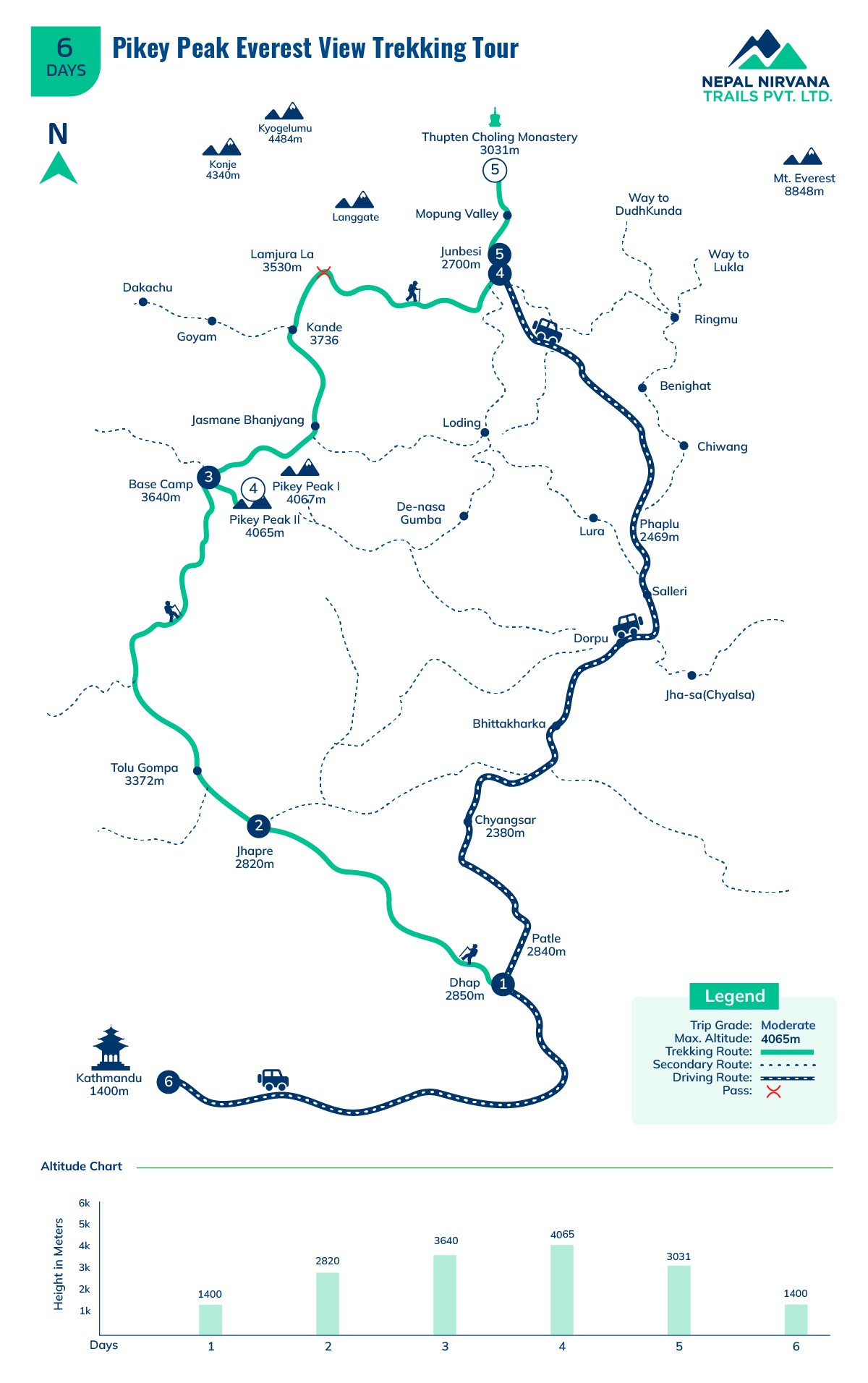
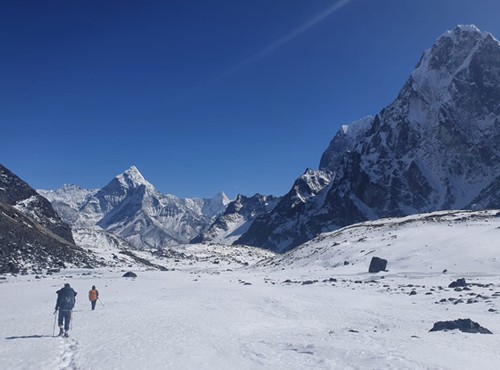
The trek tops out at Pikey Peak, standing at 4,065 meters (13,336 feet). At this height, altitude effects may start to factor in, especially during the last push to the summit. Maintaining a steady walking pace, drinking enough fluids, eating well, and giving your body adequate time to acclimatize can all help make the journey more manageable. One of the main physical challenges is the changing terrain. The route passes through forests, stone stairways, quiet Sherpa villages, open ridges, and mountain trails, with frequent ascents and descents. The climb to the summit can be demanding, especially if you start early to catch the sunrise, but it is generally manageable for people who maintain a steady pace. Prior trekking experience isn't a requirement for taking on Pikey Peak. As long as you're comfortable covering roughly 5–7 hours of walking daily over uneven, hilly ground, you should be able to manage it with the right preparation beforehand. In the weeks leading up to your trip, activities like regular walking, hiking, stair climbing, and cardio training can help you build the stamina you'll need.
Overall, Pikey Peak is less strenuous than Everest Base Camp and far easier than high-pass routes like the Everest Three Passes Trek. Its modest altitude, shorter timeframe, tranquil pathways, and gentle introduction to Himalayan terrain make it a great choice both for newcomers to trekking and for seasoned hikers seeking a calmer counterpart to the more crowded Everest trails.
Best Time to Visit Pikey Peak Trek
Although Pikey Peak can be trekked in different seasons with the right preparation, choosing the right time of year can make a significant difference to the overall experience. Clear mountain views, comfortable temperatures, and stable trail conditions are especially important on a trek where the spectacular Himalayan panorama is one of the main highlights. For these reasons, spring and autumn are generally the best seasons for the Pikey Peak Trek.
Spring ( March to May)
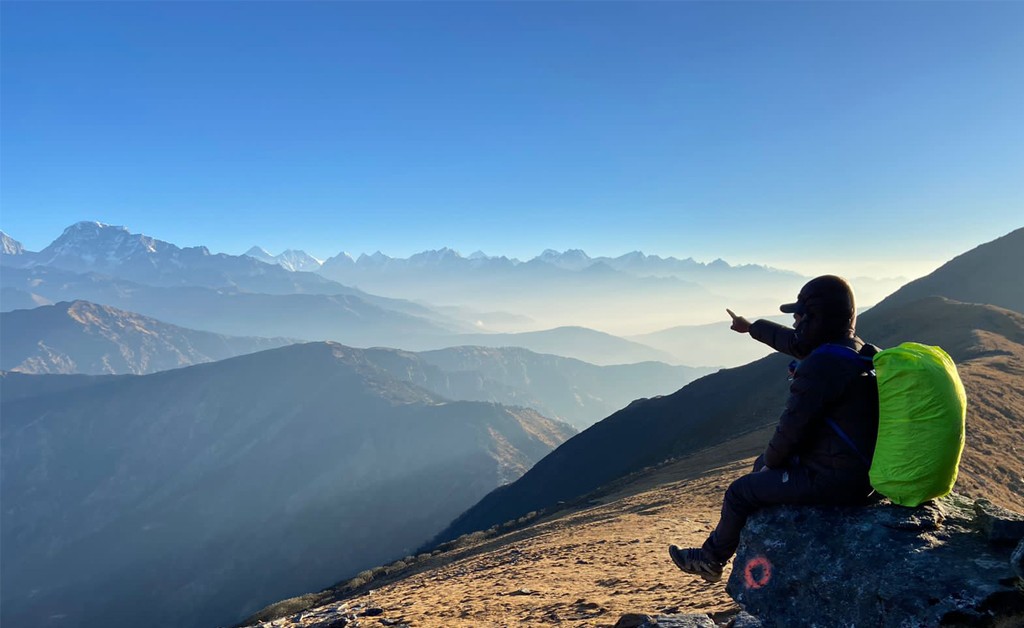
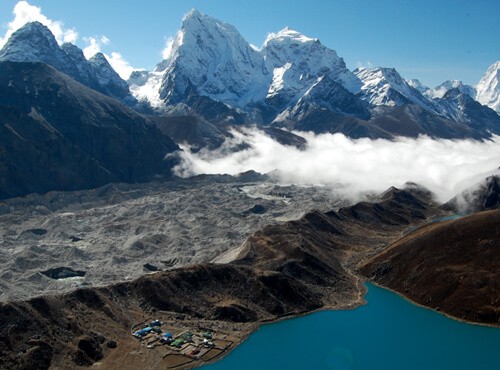
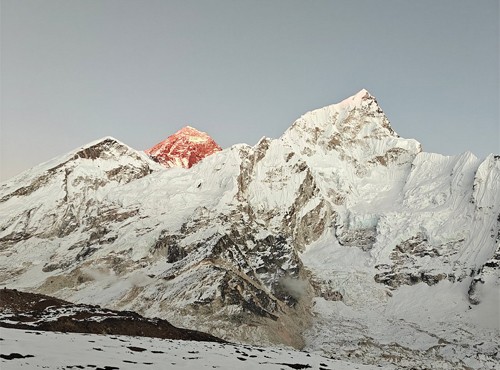
Spring (March to May) offers pleasant trekking conditions and vibrant scenery. The forests come alive with blooming rhododendrons and other wildflowers, while clear mornings often provide beautiful views of Everest, Makalu, and the surrounding Himalayan peaks.
Autumn (September to November)
Autumn (September to November) is another excellent period for the trek. Following the monsoon season, the air is generally fresh and the mountain views become clearer. October and November are particularly popular because of their stable weather and comfortable daytime temperatures.
Winter (December to February)
Winter (December to February) is possible for trekkers who are prepared for cold conditions. Temperatures can fall well below freezing at higher elevations, and snowfall may occur around Pikey Peak. However, fewer trekkers on the trail and crisp mountain views can make winter a rewarding choice for those comfortable with colder weather.
Monsoon ( June to August)
Monsoon (June to August) is generally less suitable for the Pikey Peak Trek. Rain can make sections of the trail muddy and slippery, while clouds and mist may limit visibility. Weather conditions can also affect transportation to and from the trekking region.
Travel Insurance
Arranging travel insurance is a crucial step in getting ready for the Pikey Peak Trek. Even though this is a moderate trek without technical climbing involved, you'll be journeying through remote mountainous regions where medical care and transport options may be scarce. Carrying proper coverage offers financial security should unforeseen circumstances arise while you're on the trail.
Before starting the trek, make sure your insurance policy specifically covers trekking at elevations of up to 4,065 meters (13,336 feet). It should also extend to emergency medical care, evacuation services, trip cancellation or interruption, lost or delayed luggage, and other unforeseen travel expenses.
Weather conditions, altitude-related problems, injuries, or sudden illness can sometimes require a change of plans. In more serious situations, emergency evacuation may be necessary. It's strongly advised to secure comprehensive travel insurance ahead of arriving in Nepal and to review your policy's terms and exclusions thoroughly. Bring along both a digital and printed copy of your insurance information and emergency contacts for the duration of the trek
Accommodation during Pikey Peak Trek
Accommodation on the Pikey Peak Trek is mainly provided in local teahouses and family-run mountain lodges along the trail. These accommodations provide a modest, comfortable resting place after each day's walk, while giving trekkers a chance to experience the genuine warmth and traditional way of life found in the local communities. Most teahouses offer straightforward twin-sharing rooms furnished with beds, mattresses, pillows, and blankets. Amenities tend to be basic, especially in the more out-of-the-way villages, and rooms often lack private bathrooms. Toilets and washing areas are typically shared among trekkers and other guests. Since the Pikey Peak route sees fewer trekkers than well-traveled trails like Everest Base Camp, its lodging tends to offer a calmer, more relaxed atmosphere. That said, the facilities are simpler than what you'd find in Kathmandu or larger trekking hubs, and what's available can vary from one village to the next.
Food during Pikey Peak Trek
Food is an important part of the Pikey Peak Trek, providing the energy you need for long days of walking at high altitude. Meals are generally served at local teahouses and lodges along the trail, where trekkers can enjoy a combination of traditional Nepali dishes and familiar international options.
Dal Bhat ranks among the trek's most favored meals. This classic pairing of steamed rice, lentil soup, vegetables, and pickles is hearty, nutrient-rich, and a solid energy source for the trail. Additional options commonly on offer include noodles, fried rice, pasta, momos, soups, potatoes, eggs, and Tibetan-inspired dishes. Breakfast typically features simple yet energizing choices like porridge, eggs, toast, Tibetan bread, pancakes, or cereal, served alongside tea or coffee. Lunch options range from dal bhat to noodles, rice-based dishes, or something lighter, depending on that day's walking plan. Dinner is usually provided at the teahouse with a similar range of choices, giving you a warm, hearty meal to end a long day on the trail. Hot beverages including black tea, milk tea, lemon tea, ginger tea, coffee, and hot chocolate are readily available along the way. Keeping hydrated matters especially at higher altitudes, so it's advisable to drink plenty of safe water consistently throughout the trek.
Given that Pikey Peak is a fairly remote destination, the range of food choices is narrower than what's found in Kathmandu or Pokhara, and menus can differ between teahouses. Dishes are made with ingredients sourced locally, letting you savor straightforward, freshly prepared meals while soaking in the hospitality of the mountain communities. For a smoother trekking experience, it's best to stick with light, nutrient-dense meals and steer clear of excessive alcohol or overly heavy food, especially as elevation increases. Packing a few personal snacks like energy bars, nuts, dried fruit, or chocolate can also come in handy on longer walking days.
Packing List for Pikey Peak Trek
Packing thoughtfully for the Pikey Peak Trek keeps you comfortable amid fluctuating temperatures, shifting trail conditions, and higher altitudes. Since the highest point reaches 4,065 meters, it's important to bring adequate warm layers and key personal items while keeping your pack from becoming unnecessarily heavy. Your packing list include:
Why Book with Nepal Nirvana Trails?
Trekkers who choose Nepal Nirvana Trails for the Pikey Peak Trek benefit from a locally based team with deep knowledge of the trails, mountain conditions, local communities, and the practical realities of trekking in Nepal. Our experienced guides offer professional support throughout the journey, ensuring a trek that is comfortable, well-organized, and enjoyable. The company handles essential services such as transportation, accommodation, meals, permits, and trekking logistics, so you can focus on the experience itself rather than the arrangements.
At Nepal Nirvana Trails, we know trekkers arrive with varying fitness levels, interests, and goals, which is why itineraries are tailored to each person and the pace stays comfortable throughout. Drawing on deep local expertise, we help trekkers go beyond the stunning mountain views to also take in Sherpa villages, Buddhist monasteries, cultural traditions, and the calm rhythm of life in these mountain communities.
For those setting out on Pikey Peak, Nepal Nirvana Trails brings the reassurance of a committed local crew guiding every stage of the trip. Newcomers and veteran trekkers alike are welcome, especially those drawn to a calmer escape from the crowds of the Everest routes ,and the focus stays on crafting a Pikey Peak experience that's secure, tailored to you, and one you won't forget.