Nar Phu Valley Trek with Kang La Pass - 13 Days

Know before you go

    Highlights

    • Explore the restricted Annapurna region on remote trails with fewer crowds.
    • Experience timeless culture alongside breathtaking wildlife and diverse birdlife.
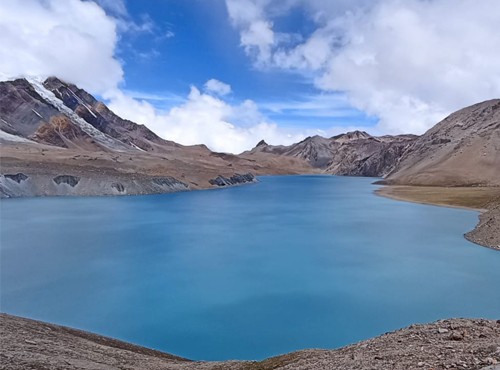
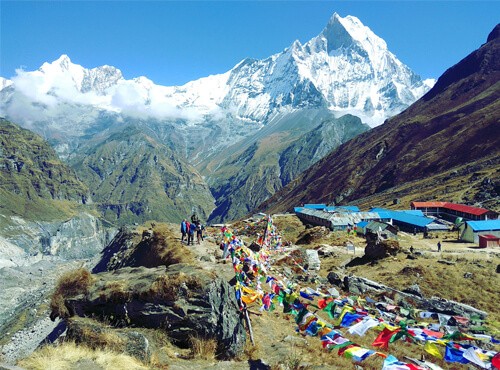
    • Trek through dramatic Himalayan landscapes, with deep gorges, lush forests, clear rivers, waterfalls, and towering peaks.
    • Cross the challenging 5,320-meter Kang La Pass
    • Ideal for experienced trekkers seeking a challenging, remote adventure.

    Summary:

    The Nar Phu Valley with Kang La Pass Trek is a 13-day journey into the remote Nar Phu Valley, where centuries-old Tibetan-influenced villages and untouched mountain trails offer breathtaking views of the Annapurna and Manaslu ranges. Nar Phu Valley is a restricted trekking area that was opened to foreign trekkers only in 2003.  It is regarded as one of the most adventurous treks and leads to the remote and culturally rich Nar Village.

    Nar Phu Valley is one of Nepal's most pristine and breathtaking regions. It is located in the Manang District of north-central Nepal, within the Annapurna region of the Himalayas. It has the remote villages of Nar and Phu and is surrounded by majestic peaks such as Annapurna II, Gangapurna, and Himlung Himal.  The trek is fascinating as you will have the opportunity to experience and learn about the ancient culture and simple daily lifestyle of the local people.

    It is a remote trek inhabited by Tibetan communities, offering an authentic experience of their traditional culture and way of life. Along the trail, you will encounter numerous stupas, chortens, and prayer wheels. It is an ideal trek to uncover the raw beauty and lifestyle of the two lesser-known wonders of the Himalayas: Nar and Phu Villages.

    What Makes Nar Phu Valley Trek Special?

    Off the beaten path

    If you are tired of crowded trails and busy city life, the Nar Phu Valley Trek is the perfect escape for you. It is relatively secluded compared to the more popular Annapurna trekking routes. This valley sees far fewer trekkers and features rugged, untouched trails through rural settlements. This trek takes you to an untouched side of the Himalayas, where the local culture and traditions remain beautifully preserved. The restricted permits, limited development, and uneven trails offer a chance to explore a truly remote and authentic corner of the Himalayas.

    Hidden Himalayan villages

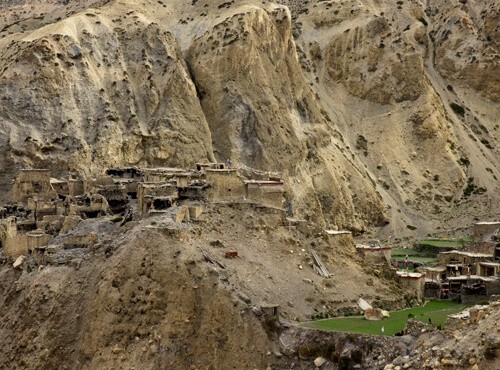
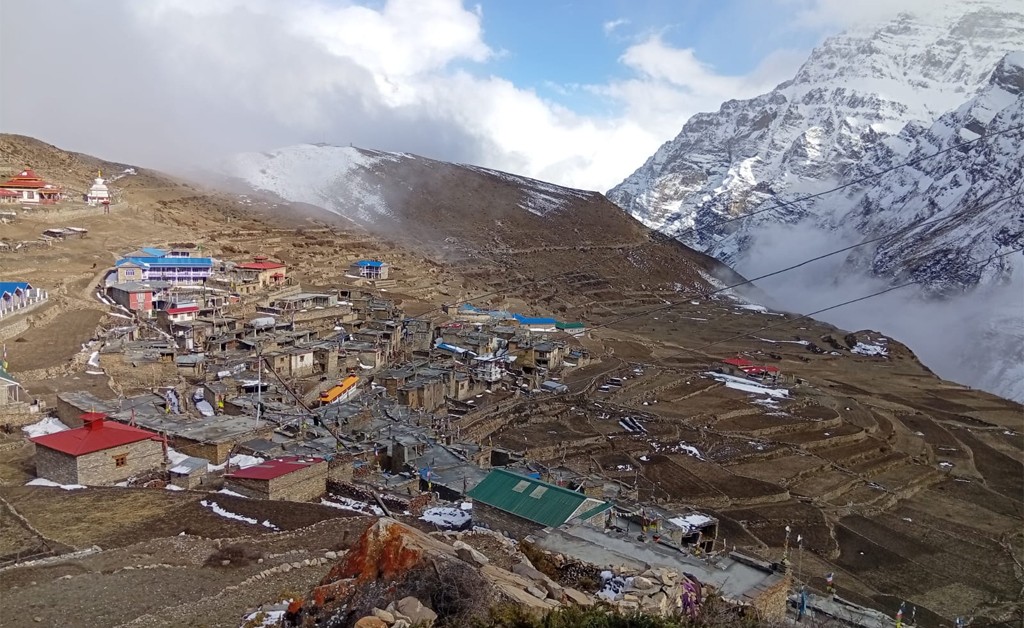
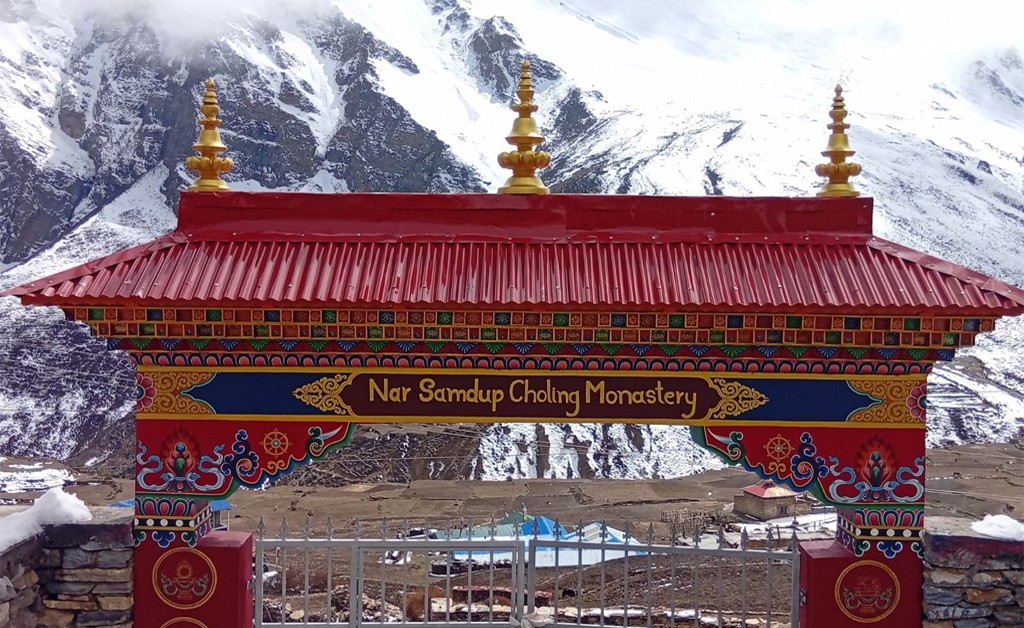
    Nar Village is an ancient settlement nestled in the hills. It is one of Nepal’s highest and most remote settlements, surrounded by spectacular mountain landscapes. Nar Village showcases the traditional stone houses, topped with colorful roofs and a unique Himalayan way of Life. Phu Village is one of the most fascinating villages in the region, surrounded by dramatic cliffs and rugged mountains. Phu Village is home to Tashi Lhakhang Monastery, a historic Buddhist monastery believed to be approximately 600 years old.

    As you travel through the traditional villages of Nar and Phu, you will encounter narrow alleys, ancient monasteries, prayer wheels, and chortens. You will also gain cultural insight into the daily lifestyle of the village people, making your journey insightful and meaningful. The people of Nar and Phu villages are warm, welcoming, and kind. Their Tibetan-influenced traditions, strong community spirit, and warm hospitality are what make the trek truly special.

    Kang La Pass adventure

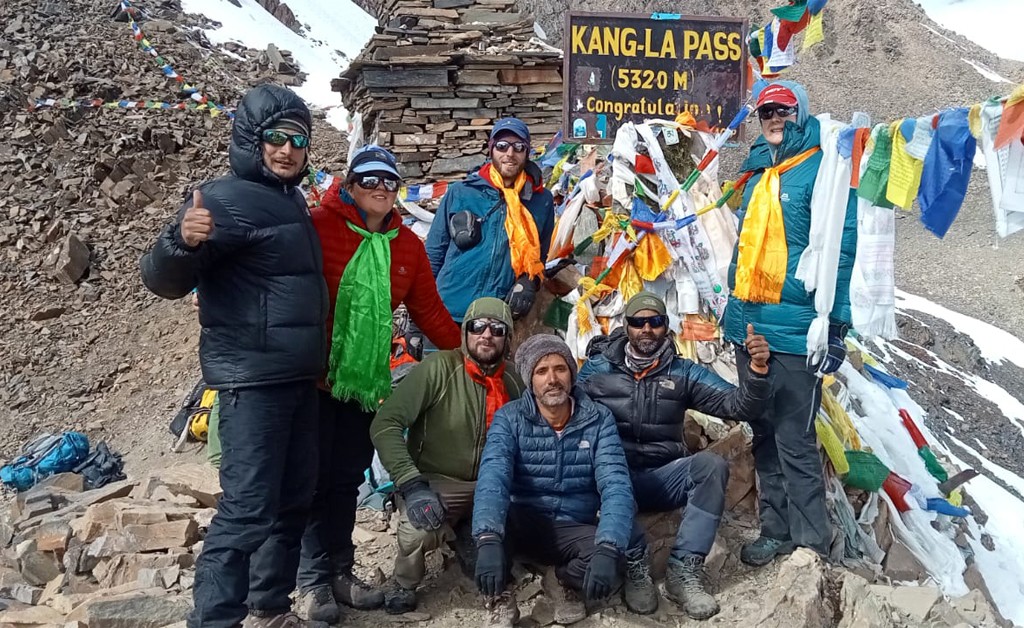
    One of the main highlights of the trek is crossing Kang La Pass. The pass stands at an altitude of 5,320 meters and takes approximately six hours to reach the summit. Kang La Pass is an exciting and secluded mountain gateway connecting the secluded Nar Valley with the more developed Annapurna region. Reaching the top is both a physical challenge and a rewarding adventure. From Kang La Pass, you can enjoy spectacular views of Annapurna II, Gangapurna, Tilicho Peak, the surrounding peaks, and the Marsyangdi Valley. The combination of high altitude, challenging terrain, panoramic mountain views, and the experience of crossing an ancient Himalayan gateway makes Kang La Pass one of the most memorable highlights of the trek.

    A sense of exploration

    The Nar Phu Valley Trek offers a genuine sense of discovering a hidden and untouched corner of the Himalayas due to its remoteness and limited visitor numbers. As you journey into the remote valleys of Nar and Phu, the landscape becomes increasingly rugged and pristine, revealing traditional villages, winding trails, and dramatic high-altitude passes. The journey feels like stepping into a secluded world, with fewer trekkers and limited modern development, where traditional mountain life has remained largely preserved. The isolated villages of Phu and Nar create a feeling of entering a world far removed from modern life. The villages have preserved their unique character for generations, making your trek even more fascinating and memorable. Nar Phu offers more than just a trek, with its remote trails, fewer crowds, dramatic landscapes, ancient culture, and challenging mountain passes.
    Itinerary

    Day to Day Details

    Expand AllCollapse All

    • Hotel Vistara or Similar
    • 1400m.|4593ft.

    • Hotel Vistara or Similar
    • 1400m.|4593ft.

    • Guest House
    • Breakfast, Lunch and Dinner
    • 2600m.|8530ft.

    • Guest House
    • Breakfast, Lunch and Dinner
    • 3560m.|11680ft.

    • Guest House
    • Breakfast, Lunch and Dinner
    • 4080m.|13383ft.

    • Guest House
    • Breakfast, Lunch and Dinner

    • Guest House
    • Breakfast, Lunch and Dinner
    • 3490m.|11450ft.

    • Guest House
    • Breakfast, Lunch and Dinner
    • 4110m.|13484ft.

    • Guest House
    • Breakfast, Lunch and Dinner
    • 5322m.|17460ft.

    • Guest House
    • Breakfast, Lunch and Dinner
    • 3549m.|11643ft.,

    • Guest House
    • Breakfast, Lunch and Dinner
    • 760m.|2493ft.

    • Hotel Vistara or Similar
    • Breakfast and Lunch
    • 1400m.|4593ft.

    • Breakfast

    Share your travel plans, and our experts will craft a fully customized journey just for you. From thrilling treks and adventure activities to cultural experiences and nature explorations, we create every detail for a safe, seamless, and unforgettable holiday in 2026.

    Useful Info

    Annapurna Nar Phu Valley Trekking Permits & Entry Fees
    The Nar Phu Valley is a stunning and remote restricted area. To visit the Nar Phu Valley, you must obtain official permission and a special trekking permit.

    PermitPeak Season (Sep–Nov)Off-Season (Dec–Aug) 

    Annapurna Conservation Area Permit (ACAP)

    NPR 3,000

    NPR 3,000


    Nar Phu Restricted Area Permit (RAP)

    USD 100 / first 7 days

    USD 75 / first 7 days


    RAP – Additional Days

    USD 15/day

    USD 15/day


    How Difficult Is The Nar Phu Valley Trek?

    The Nar Phu Valley Trek is a difficult to strenuous adventure. You will face long trekking days, steep ascents, and high altitudes throughout the trail, making altitude sickness a real possibility that should be approached with caution. It should ideally be undertaken by trekkers who are familiar with and experienced in high-altitude trekking.  Proper acclimatization is very important, as you will trek above 3,000 metres every day. Additionally, the Nar Phu Valley is a very remote area, with limited cell phone reception and almost no Wi-Fi throughout most of the trek. So, going with a reliable guide and porter is important. Compared to many other commercialized treks in Nepal, the difficulty of the Nar Phu Valley Trek cannot be easily modified. The remote terrain, long trekking days, steep ascents, and high-altitude crossing of Kang La Pass make it a demanding journey that requires good physical fitness, proper preparation, and previous trekking experience.

    Best Time to Visit Nar Phu Valley Trek

    If you’re planning to trek through the remote Nar Phu Valley trek, the best time to visit is during spring and autumn ,when you can relish more stable weather, clear mountain peaks, and dry trails.

    Spring( March to May)

    If you want to have a great trekking experience, spring is one of the best seasons to explore the Nar Phu Valley. Spring has good visibility and provides breathtaking  Himalayan panoramas.. The trails are filled with blooming rhododendron forests, which create vibrant colors to the landscape. You’ll enjoy dry trails and better views of the surrounding landscapes, with clear skies offering spectacular views of the mountains and valleys along the trek. The temperature in the spring season is generally warm during the day, and mornings and evenings are pleasantly cool.

    Autumn (September to November)

    Autumn is considered the most rewarding time to visit Nar Phu Valley. Autumn provides a clear Himalayan panorama with less cloud and haze. You can enjoy the spectacular views of Annapurna II, Annapurna IV, Annapurna III, Lamjung Himal, Chulu East and Chulu Far East. The fresh, lush green landscapes left by the monsoon make the valleys and hills scenic and exceptionally beautiful. The temperatures are mild during the day and cool in the mornings and evenings.

    Winter (December to February)

    Winter is a challenging season for trekking in Nar Phu Valley. Crossing Kang La Pass may become difficult or unsafe as temperatures drop significantly and heavy snowfall can block trails. The lower parts of the Nar Phu Valley can still be explored in December. If you’re planning to visit the Nar Phu Valley in the winter season, you should be prepared for freezing temperatures, heavy snowfall, icy and difficult trails, and possible changes to the trekking route due to weather conditions. It is also important to trek with an experienced guide and allow some flexibility in your itinerary in case of snowfall or difficult trail conditions.

    Monsoon ( June to July )

    Nar Phu Valley Trek in the monsoon season isn’t recommended, as you can experience frequent rainfall,slippery and muddy trails, landslides, and unpredictable weather. However, if you’re seeking adventure, solitude, and a more off-the-beaten-path experience, the trek can still be undertaken with proper preparation.  You should be ready for the changing weather, wet trails, limited visibility, and possible delays or route changes. We recommend trekking with an experienced local guide and keeping a flexible itinerary during this season.

    Accommodation During the Nar Phu Valley Trek

    You’ll stay in traditional teahouses throughout the trek, as Nar Phu Valley is still a remote and less-developed trekking region. The teahouses are simple but cozy and comfortable, with basic rooms and shared bathrooms. We recommend carrying a warm sleeping bag for the trek. You can easily rent or buy one in Kathmandu, so there’s no need to bring one from home. As you move to higher altitude, accommodation becomes more basic. Shared bathrooms and squat toilets are common, while hot water can be limited and considered a luxury. At higher altitudes, you should not expect comforts such as Wi-Fi, hot showers, or Western-style toilets, as facilities become increasingly basic.

    The simple and traditional accommodation is an integral part of the Nar Phu experience. You are not travelling to Nar Phu for luxury; you come to experience its unspoiled environments,historic hamlets, and deeply rooted Himalayan culture in their most authentic form.

    Food During the Nar Phu Valley Trek

    As Nar Phu Valley is a quiet and remote area that has remained relatively less commercialized, the food is generally simple, warm, and nourishing. The menus are simple and authentic. Our package includes three meals a day: breakfast, lunch, and dinner throughout the trek.  Nar Phu Valley offers a variety of breakfast options, including eggs, pancakes, Tibetan bread, porridge, muesli, cornflakes, chapati, and toast, served with tea or coffee. These breakfast options provide a good balance of carbohydrates and protein to keep you energized and ready for a day of trekking.

    The lunch and dinner options are generally simple, nutritious, and filling which includes Dal Bhat, Fried Rice, Noodles, Pasta, Momos, Thukpa,Soups, vegetable. But the must-try food is Dal Bhat, Nepal’s staple meal of rice, lentil soup, vegetables, and pickle. It is satisfying, nourishing, and an excellent choice for providing the energy needed during long trekking days.

    Nepal Nirvana Trails also provides snacks, seasonal fruits, and dry fruits during the trek. However, if you have any specific preferences, we recommend carrying your own favorite snacks for the long trekking days, as there are very few or no tea shops along some sections of the trail.

    Travel Insurance

    If you are planning to do the Nar Phu Valley Trek with Kang La Pass, travel insurance is highly recommended, as the trek takes you through a remote and challenging Himalayan region with limited access to medical facilities and emergency services. Your insurance should cover medical treatment, emergency return, helicopter rescue, and evacuation. You can purchase travel insurance in your home country and provide us with the insurance documents before the trek. You should make sure your insurance covers emergency evacuation costs up to an altitude of at least 6,000 meters, as the trek involves crossing the 5,320-meter Kang La Pass. Your safety is our priority, and we believe it is always better to be prepared than to take unnecessary risks.

    Packing List for Nar Phu Valley Trek with Kang La Pass

    Packing appropriately for the Nar Phu Valley Trek with Kang La Pass is essential for a safe and comfortable journey. As the trek passes through remote Himalayan terrain and reaches 5,320 meters at Kang La Pass, you should be prepared for cold temperatures, changing weather conditions, and long days on the trail.

    Clothing & Layering

    • Moisture-wicking base layers
    • Fleece or warm insulating layer
    • Down jacket
    • Waterproof and windproof jacket
    • Comfortable trekking trousers
    • Thermal trousers for colder conditions
    • Warm hat and sun hat
    • Gloves and extra pairs of trekking socks
    • Buff or neck warmer

    Footwear

    • Well-fitted and broken-in trekking boots
    • Lightweight camp shoes or sandals
    • Warm, moisture-wicking trekking socks
    • Gaiters, especially for snow or wet conditions

    Trekking & Personal Equipment

    • Comfortable daypack
    • Duffel bag
    • Trekking poles
    • Sleeping bag suitable for high-altitude conditions
    • Headlamp with spare batteries
    • Reusable water bottles or hydration bladder
    • Water purification tablets or filtration system
    • Power bank and necessary charging cables

    Sun & Personal Protection

    • UV-protection sunglasses
    • Sunscreen with high SPF
    • Lip balm with SPF
    • Personal toiletries
    • Quick-drying towel
    • Basic first-aid supplies
    • Personal medications

    Snacks & Energy

    Since the Nar Phu Valley is a remote trekking region, food and snack options can be limited in some sections of the trail. We recommend bringing your preferred energy bars, chocolates, dry fruits, nuts, or other lightweight snacks for longer trekking days.

    Important Documents

    • Passport
    • Trekking permits and necessary documents
    • Travel insurance documents
    • Emergency contact details
    • Copies of important travel documents

    Similar Trips

    Ask a Question

    help
    Need help?

    Start planning your 2026 Nepal adventure today! Talk to our local experts and create a trekking or travel experience you’ll never forget.