Best Season for the Poon Hill Mardi Trek
The Poon Hill Mardi Himal Trek offers unique experiences throughout the year, though spring (March-May) and autumn (September-November) are considered the prime seasons:
- Spring (March-May): The rhododendron forests bloom as a colorful paradise, providing a vibrant warmth. The clear weather offers excellent mountain visibility, along with the comfortable temperatures that make it easy to hike. While the area is rich in biodiversity, it provides great opportunities for wildlife observation and birdwatching.
- Summer/Monsoon (June-August): Challenging conditions with rain, mud, and leeches lead to the lush landscapes with waterfalls, fewer crowds, and lower prices. This season also ensures limited mountain views due to the foggy clouds. However, if you are interested in being in nature and enjoy the wildflowers, then you can consider the Poon Hill Mardi Trek during the monsoon season as well.
- Autumn (September-November): Excellent visibility is ensured by the clear mountains, due to stable weather with minimal rain and pleasant temperatures, which is perfect for trekking. The atmosphere is festive with celebrations like Dashain and Tihar.
- Winter (December-February): Fewer trekkers choose this season for a more solitary experience, enjoying crisp, clear days that offer stunning views of the mountains. The expected colder temperatures at higher elevations and occasional snowfall enhance the winter scenery.
Difficulty Level of the Poon Hill with the Mardi Himal Trek
The Ghorepani and Mardi Himal trek offers an exciting blend of experiences in the Annapurna region, making it accessible for beginners with a reasonable fitness level, though some parts can be challenging. The Poon Hill section features gentle climbs on well-maintained paths, the journey becomes easier as you approach the stunning viewpoint at Poon Hill, standing at 3,210 meters. On the other hand, the Mardi Himal section has steeper climbs and rougher terrain as you ascend to higher altitudes, leading you through beautiful rhododendron forests and onto exposed ridges that reach Mardi Himal Base Camp at around 4,500 meters, which requires good acclimatization and fitness. Trekking for 5-7 hours daily is typical, so being in decent shape and prepared for changing weather and basic accommodations is essential. While some may find certain sections tough, with the right pacing, plenty of rest, and staying hydrated, most trekkers can complete the journey and fully appreciate the breathtaking views of the Himalayas. Overall, this moderate trek is perfect for those looking for a rewarding adventure in the mountains without needing advanced trekking skills.
Family and Student Group Friendly Trek in Nepal
Unlike the more challenging Annapurna Circuit or Everest Base Camp (EBC) Trek, the Poon Hill Mardi Himal Trek is considered moderate in difficulty and accessible for families and student groups. Steady ascents, well-maintained trails, and shorter daily distances make it suitable for a range of ages and abilities. Active teenagers and student groups often find it especially manageable and rewarding.
- Manageable Difficulty: The daily walking hours are reasonable, and the trail infrastructure with regular teahouse shops provides comfort and security. The ascent is gradual, allowing for better acclimatization.
- Cultural Education: It is a living classroom of Himalayan geography, ecology, and the rich culture of the Magar and Gurung communities.
- Built-in support: Trekking with a guide from Nepal Nirvana Trails ensures safety, provides local knowledge, and handles all logistics, letting groups focus on the experience.
Mardi with Ghorepani Poonhill Trek Route
The 10-day Poon Hill and Mardi Himal Trek seamlessly combines two iconic routes in the Annapurna region, creating a diverse and picturesque experience. The journey starts with a drive from Kathmandu to Pokhara, followed by a short trip to Ulleri. Trekkers then ascend through charming villages inhabited by the Gurung and Magar communities, such as Ulleri, Banthanti, and Ghorepani. A highlight of the trek is the early morning hike to Poon Hill (3,210 m), where stunning panoramic views of peaks like Annapurna South, Dhaulagiri, and Machhapuchhre can be enjoyed. Afterward, the trail leads to Tadapani and Landruk, transitioning from the bustling Ghorepani Poon Hill Circuit to the quieter Mardi Himal path. As it progresses through enchanting rhododendron forests, the trek reaches Low Camp, High Camp, and ultimately Mardi Himal Base Camp (4,500 m), characterized by narrow ridgelines and breathtaking alpine scenery. Following a soak in the dramatic views from Base Camp, trekkers descend to Siding Village before returning to Pokhara. The trek offers a lovely blend of cultural experiences, lush woodlands, terraced farms, and striking Himalayan landscapes.
Poon Hill Vs Mardi Himal Trek Experience
The Poon Hill and Mardi Himal treks each offer distinct experiences that cater to different preferences. The Poon Hill Trek is well-known for its cultural highlights and ease of access, leading you through beautiful Gurung and Magar villages where you can truly engage with the local way of life. With cozy teahouses with attach bathroom, western toilets available along the route, it provides a welcoming atmosphere for travelers who enjoy socializing and sharing experiences. The breathtaking sunrise at Poon Hill, where the golden light illuminates iconic peaks like Dhaulagiri and Annapurna, is a moment many cherish.
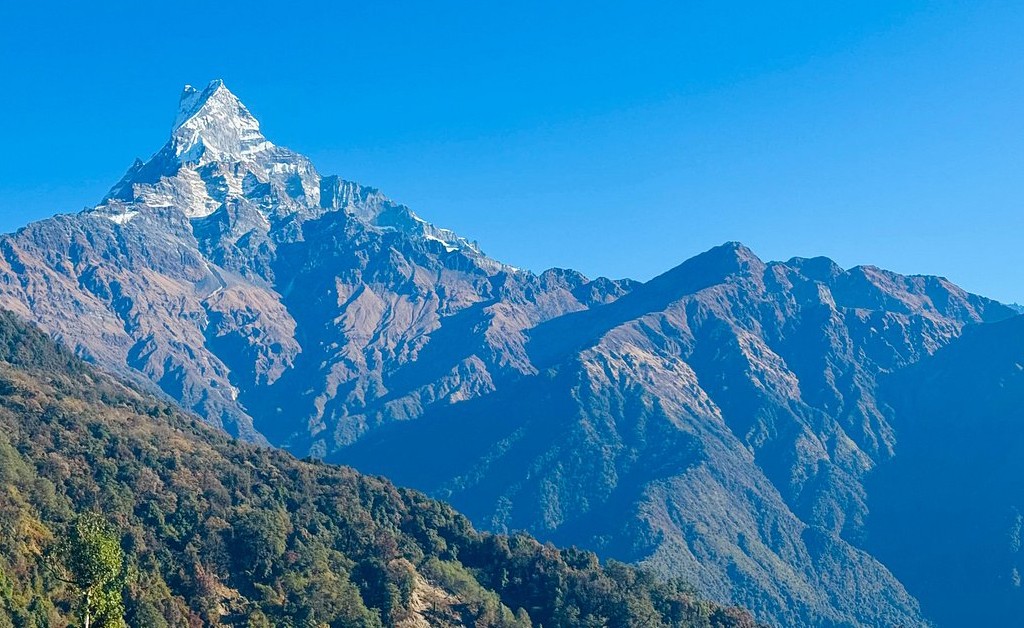
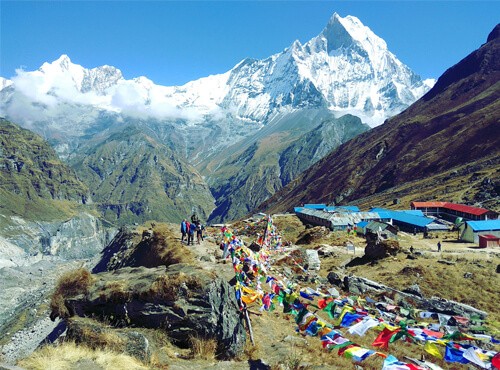
In contrast, the Mardi Himal Trek offers a more secluded adventure, allowing trekkers to appreciate the peacefulness of lush forests and escape the usual crowds. The stunning views of the Machapuchare (Fishtail) mountain, combined with ridge-top paths that reveal continuous panoramic vistas, make it a perfect choice for those seeking tranquility and exploration. While the teahouses along the route are basic, common shared toilets are available throughout the route. Whether you’re drawn to the rich culture of Poon Hill or the serene wilderness of Mardi Himal, experiencing both can provide an ideal blend of vibrant cultural insights and breathtaking natural beauty.
Altitude Sickness and remedies during the Poon Hill Mardi Trek
When trekking in the Ghorepani Poon Hill and Mardi Himal regions, reaching heights of up to 4,500 meters can lead to altitude sickness, a condition that occurs as your body struggles to adjust to lower oxygen levels. Symptoms typically begin to appear above 2,500 meters and can include headaches, dizziness, nausea, fatigue, and sleep disturbances.
To reduce the risk of altitude sickness, it's vital to ascend slowly, drink plenty of water (about 3-4 liters a day), eat a carbohydrate-rich diet, and steer clear of alcohol and tobacco. Moving at a comfortable pace and taking regular breaks is essential, and some trekkers may find that taking Diamox, after consulting a doctor, can aid in acclimatization. If symptoms develop, it’s best to halt further ascent and, if necessary, descend to feel better. Pain relievers like ibuprofen can alleviate headaches, and in severe cases, guides may provide supplemental oxygen. A traditional remedy like garlic soup and tea could also offer relief for mild symptoms. It's important to remember that altitude sickness can affect anyone, regardless of fitness, so being mindful of your well-being and heeding the guidance of experienced trek leaders is crucial for a safe journey.
Food Availability along the Poon Hill with Mardi Himal Trek
The culinary experience during the Ghorepani Poon Hill and Mardi Himal Trek beautifully blends traditional Nepali cuisine with international favorites, showcasing a diverse range of meals at various points along the trail. Teahouses serve as the primary dining venues, offering unexpectedly varied set menus that are freshly prepared and hearty enough to energize trekkers.
In the Poon Hill region, you’ll find a wide breakfast selection, including Tibetan bread, pancakes, and different egg dishes. Lunch and dinner options feature local favorites like dal bhat, momos, and even Pizzas. As you progress to the Mardi Himal section, the food choices become simpler yet remain nutritious, with dal bhat taking the spotlight due to its balanced nutrition and unlimited refills. The special dietary requests can often be accommodated with advance notice as well.
For safety, it’s wise to stick to cooked meals, ensure your water is purified, practice proper hand hygiene, and be cautious with uncooked fruits and vegetables. Despite these challenges, sharing comforting meals in cozy teahouses amidst breathtaking mountain views creates lasting memories of your adventure in the Annapurna region. Common dishes like fried rice, noodles, and soups are available alongside the popular dal bhat, which provides sustained energy with its generous refills. Vegetarian options are abundant, and arrangements can often be made for vegan and gluten-free meals with prior notice. Although meat is available at lower elevations, it's better to avoid it higher up due to storage concerns.
Accommodation Facilities throughout the Ghorepani Poon Hill Mardi Himal Trek
Accommodation options on the Ghorepani Poon Hill and Mardi Himal Treks differ significantly due to varying levels of tourism development and the remoteness of each area. In the Poon Hill region, you’ll find more established teahouses in villages like Tadapani, Ulleri, and Ghorepani, which offer comfortable twin-sharing rooms with basic furnishings, some of which even have attached bathrooms. These lodges often feature inviting dining areas warmed by wood stoves, and while electricity is generally available, power outages can happen. Hot showers are available for an additional cost, and Wi-Fi can be accessed at many locations for a fee.
Conversely, the Mardi Himal section presents more basic lodging options as the trails become less traveled. Here, you'll encounter simpler twin rooms with minimal bedding and mostly shared toilets. Hot shower or bucket water is available, and Wi-Fi is available till High Camp, for which a small fee needs to be paid to the tea houses. While blankets are usually provided, it's advised to bring a good quality sleeping bag rated for at least -10°C for added comfort and hygiene.
Permit Requirement for the 10-day Mardi with Poon Hill trek
Trekking in the Annapurna region, especially the Ghorepani Poon Hill and Mardi Himal routes, requires specific permits:
- The Annapurna Conservation Area Permit (ACAP)
- The Trekkers’ Information Management System (TIMS) card.
We, Nepal Nirvana Trails, will handle all the paperwork for you before you start the trek. We require you to send the passport details and a photo after you complete the booking process, as they are required for the permit application.
Travel Insurance and Company support during the Poon Hill Mardi Himal Trek
If you're planning to trek in Nepal, having thorough travel insurance is advisable. Your policy should cover aspects like high-altitude trekking (up to at least 4,500 meters), emergency helicopter evacuations, and medical treatments in key locations like Kathmandu or Pokhara. It's also wise to ensure coverage for trip cancellations or interruptions, along with protection against the loss or damage of your gear. When choosing an insurance provider, make sure that they want you to make an upfront payment, or they will bear all the costs, making it hassle-free.
Regarding the company support, we are 24/7 in touch with the clients and guides. Thus, with any emergency cases, we will advise according to your symptoms and, in case needed, arrange the Helicopter and bring you to the hospital.
Travel Tips (electricity, internet, ATM, luggage, tipping, personal expenses)
Preparing for the Ghorepani Poon Hill and Mardi Himal Trek is essential for making the most of your experience. Here are some useful tips to help you plan your trip and address common concerns.
Electricity: Throughout the trekking route, teahouses offer electricity, though power cuts are frequent. It’s a good idea to pack a portable power bank, a universal adapter, extra batteries for your cameras, and headlamps as well.
Internet connectivity: Most teahouses along the Poon Hill and Mardi Himal section provide Wi-Fi for a fee, typically ranging from NPR 200 to 500. If you plan to use mobile networks, both NTC and Ncell offer decent coverage in lower regions, but it can be unreliable at higher altitudes.
ATMs: The last ATMs are in Pokhara, and there are none along the trek, so ensure you have enough cash before you set off. Budget around USD 10-15 per day (depending upon your spending habits) for snacks, drinks, and additional activities such as hot showers and Wi-Fi.
Luggage: You can leave any extra luggage at the hotel in Pokhara or Kathmandu at free of cost.
Tipping: Tipping is a common and appreciated practice in Nepal’s trekking culture. It's customary to tip your guide between USD 8 and USD 10 per day per group, and porters usually receive USD 5-7 per day.