Annapurna Circuit with Annapurna Base Camp trek difficulty
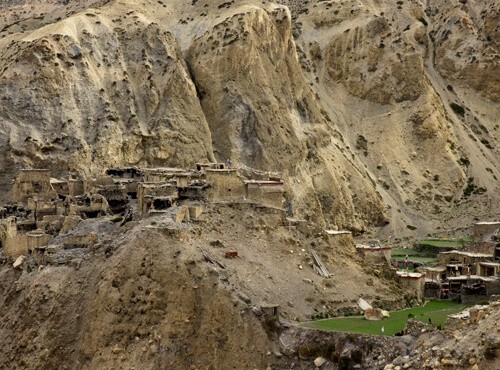
Annapurna Circuit with Annapurna Base Camp trek is a strenuous trek. The trek is designed for experienced trekkers who can spend more than 12 days in the mountains and are accustomed to basic services. You walk 6 hours a day at a minimum, so physical and mental fitness are important. The terrain is steep and rough. The trail has constant ascents and descents through dense forests, terraced fields, pastures, and moraines.
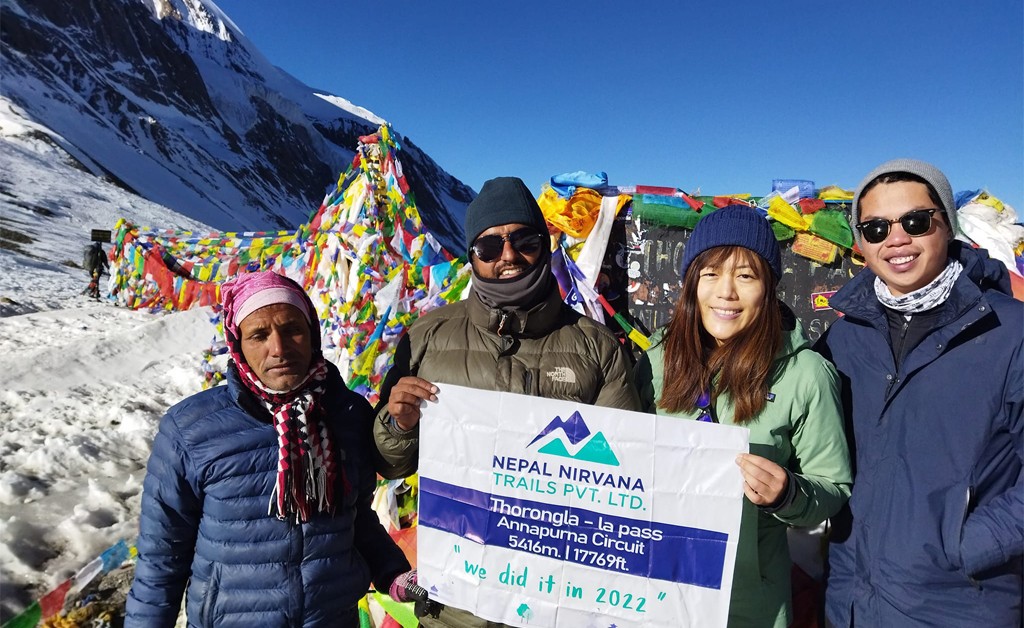
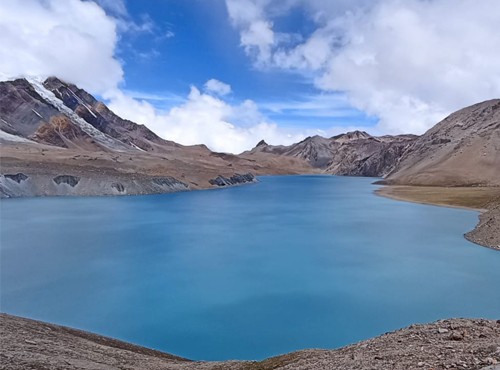
You cross a high and challenging pass on the Annapurna Circuit with the Annapurna Base Camp trek. Likewise, the trail also passes by avalanche-prone areas. The weather at high altitude can get unstable even in the peak season, too, so you have to be well prepared for the trek.
Altitude Sickness
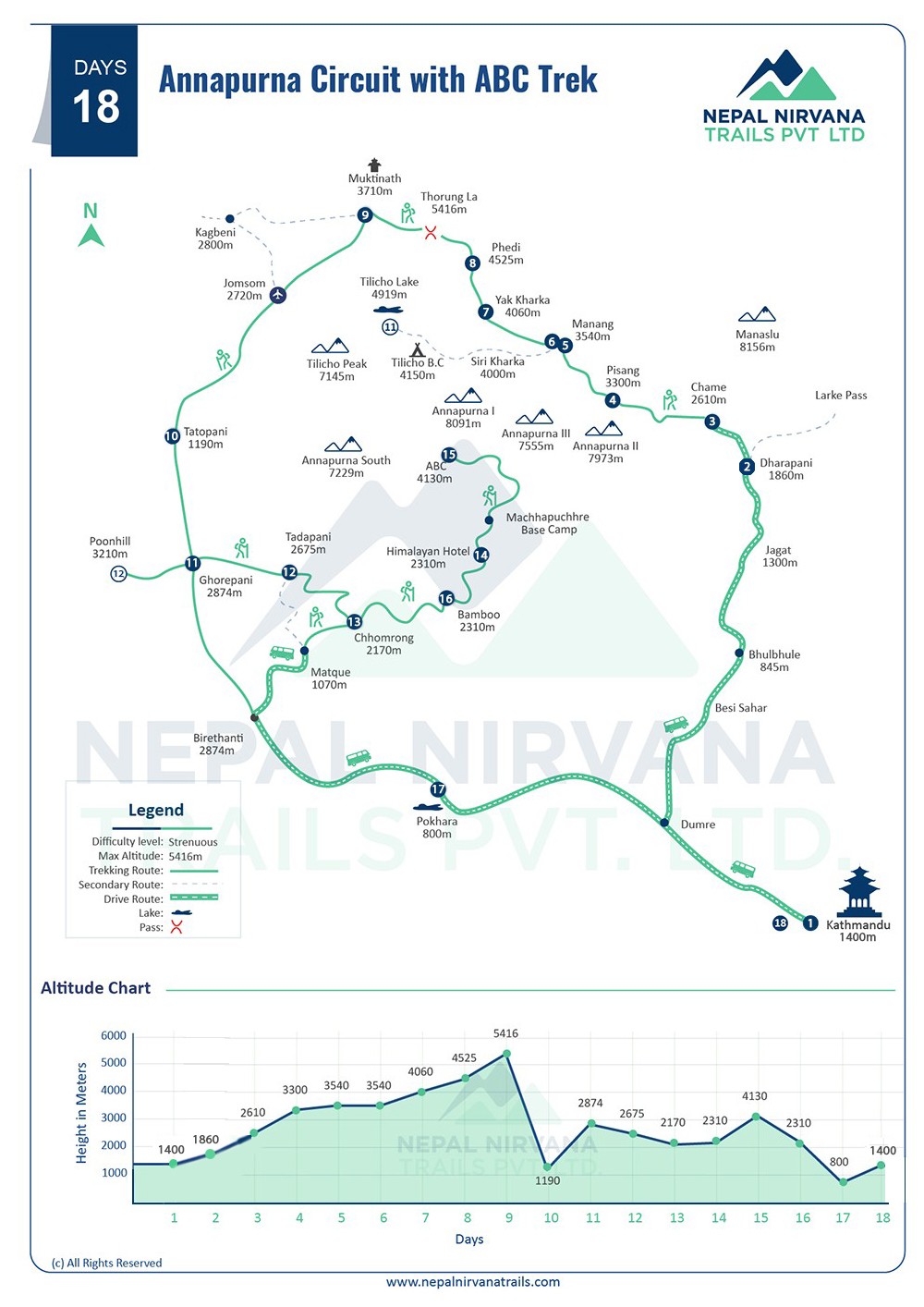
The Annapurna Circuit with Annapurna Base Camp, 18 days led above 5,400 meters. Every day you'll gain elevation on this trek, which also increases the risk of altitude sickness. It's a common illness, but if it gets worse, the patient needs to be air evacuated to a hospital. Cases like this are rare, so you do not have to worry about anything. Moreover, our Annapurna Circuit with Annapurna Base Camp itinerary has an adequate acclimatization day that allows you to adjust to the elevation during the trek.
Last Minute Booking
To make last minute booking for the Annapurna Circuit with Annapurna Base Camp trekking, you have to make the full payment of the package. Once our team receives the full payment and other details about you, we'll proceed with the booking process and send you the trip confirmation email. Do know that booking at the last minute may not leave you with ample time to prepare for the trek. For any query, you can call us at +977 9841380469 or +977 9843987606 (WhatsApp/Viber).
What permits do I need for the Annapurna Circuit with Annapurna Base Camp?
For the Annapurna Circuit with Annapurna Base Camp trek, two permits are required: the Annapurna Conservation Area Permit (ACAP) and the Trekker Information Management System (TIMS) card. Both permits are included in the package cost and will be arranged by Nepal Nirvana Trails on your behalf before the trek, so you can focus on enjoying your journey without any administrative hassle.
To process the permits, we require your passport details, including a clear photo of the first page of your passport and a recent digital front-facing photograph. There are no specific photo requirements for the permit application.
Please provide these documents once you confirm your trek booking, and we will take care of all necessary arrangements.
Best time to trek to the Annapurna Circuit and Annapurna Base Camp
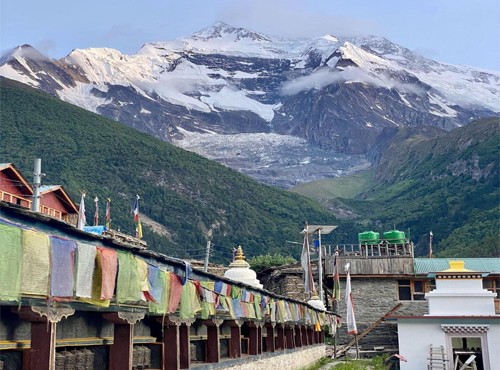
The best time to trek in the Annapurna region is spring (March to April) and autumn (October to November). These seasons have the perfect weather conditions for trekking. You'll come across a range of flora & fauna along the trail and witness breathtaking mountain views. There is almost no chance of rain or unstable weather, so you'll be on the itinerary and do not have to face any delays.
The climate in spring and autumn is mild. The day is bright and breezy. Whereas nights & mornings are a bit colder, which makes the trek fantastic. In the autumn season, particularly, you may get to be part of some of the biggest festivals of Nepal like Dashain, Tihar & Chhat. The temperature ranges between 23°C to 18°C in the lower part of the trail and 15°C to 0°C in the upper part of the trail.
Accommodation
You stay overnight in a lodge or teahouse during the Annapurna Circuit with the Annapurna Base Camp trek. The accommodation along the trail is basic, but you'll get comfortable & clean bedding to have a good night's sleep. The rooms are double occupancy, so you'll be sharing them with one of your fellow trekkers.
The washroom is shared mostly, and in some places, you may get a private washroom. The services in the lodge are minimal. Facilities like hot showers, wifi, and charging are available on paid. These expenses are not covered in the package cost, so carry some additional Nepali cash with you.
Food
The Annapurna Circuit with Annapurna Base Camp trek package covers three meals during the trek. All the meals are provided as per the menu of the lodge/teahouse. As you can guess, the menu is not anything fancy. You'll get simple Nepali, Indian, and Tibetan dishes on the menu. These are some common dishes seen on the menu: momo, noodles, roti tarkari, Tibetan bread, sandwich, pasta, thenduk, soup, porridge, French fries, etc.
The most common meal will be dal bhat during the trek, and it's our favorite. Dal Bhat means rice and lentil soup that comes with veggies, curries, pickles, and a few other side dishes. It's very rich in minerals, tastes delicious, and gives ample energy to walk. Moreover, it is made from fresh ingredients, so you'll not have an upset stomach or indigestion.
Travel Insurance
Travel insurance is needed during the Annapurna Circuit with the Annapurna Base Camp trek. It's a high-altitude trek with the potential risk of altitude sickness and unseen accidents. We make sure the trek goes as smoothly as possible, but it's better to be prepared than to be sorry. So, we'll need travel insurance covering emergency air evacuation and medical bills.
Make sure your travel insurance has an airlift up to 6,000 meters. Failure to provide travel insurance documents at the time of booking may result in the cancellation of the trip from the company's side.
Travel Tips (electricity, internet, ATM, luggage, tipping, personal expenses)
- To charge your devices while trekking, you can pay a few extra bucks in the lodge. Spare batteries or a solar charger will come in extremely handy during the trek.
- The Annapurna Circuit with the Annapurna Base Camp trail has no ATM or banks, so there's no way you can withdraw cash while trekking. Get it in Kathmandu or Pokhara.
- The internet along the trail is okay. Use cellular data for a better connection. Wifi service is available in some lodges, but it may cost you additional money for the service.
- For trekking luggage, we use a duffel bag and a daypack. Duffel bags are carried by porters, and each trekker gets a 10 kg weight limit. In a rucksack, you can pack up to 5 kg.
- Drink plenty of water while walking to keep yourself hydrated and avoid altitude sickness. Maintain your walking pace and get ample rest.
- We suggest our guests tip our crew members themselves if they are happy with their service. Even though we make sure our guide & porters get paid well, giving them tips is the best thank you gesture for the trekkers.
- Buy or rent heavy clothing for the trek and other gear in Thamel instead of carrying it from your home. It'll save you a lot of money and space.
- Make sure to have an emergency fund and spare money for personal expenses like international flights, shopping, personal expenses, etc.
Annapurna Circuit Trek with ABC trek Packing List
Good packing plays an important role in having a comfortable and enjoyable trek. Some of these are a practical list of the essential items that are needed on the trek:
Bags
- 40–50L trekking Pack
- 20–30L Lightweight Daypack ( if using a porter)
- 60–70L Duffle Bag if using a porter (Provided by us )
- Backpack rain cover
Clothing
The best tactic for clothing in the mountains is to dress in layers. Layering allows you to easily add or remove clothing as needed, as weather and temperature change frequently.
Base Layers
- 2-3 thermal tops
- 2-3 thermal bottoms
- 2–3 moisture-wicking T-shirts
- 1-2 long-sleeve trekking shirts
Trekking Pants
- 2-3 pairs of lightweight trekking pants/shorts
- 2- 3 pairs of thermal leggings
- 2 pairs of comfortable pants for evenings
Fleece or Mid-Layer
- 1 fleece jacket/ lightweight warm layer
- Down or Insulated Jacket
- Waterproof Jacket
Headwear and Gloves
- Warm wool or fleece beanie
- Sun hat or cap
- Buff or neck gaiter
- Lightweight/Warm insulated gloves
Trekking Socks
- 4–5 pairs of trekking socks
- 1–2 pairs of warm wool socks
- Trekking Boots and Footwear
- Comfortable trekking boots with good grip and durable soles
- Flip-flops for use in tea houses
Water and Hydration
- Water bottle of 1-2 liters of water capacity
- Water purification tablets or a water-filtered bottle
Sunglasses and Sun Protection
- UV-protection sunglasses
- Sunscreen SPF 30–50+
- Lip balm with SPF
- Sun hat/cap
Toiletries and Personal Hygiene
- Toothbrush
- Toothpaste
- Biodegradable soap
- Quick-dry towel
- Toilet paper
- Wet wipes
- Hand sanitizer
- Moisturizer
- Lip balm
- Nail clippers
- Personal hygiene products
- Small garbage bags
First-Aid Kit and Medicines
We suggest that you to carry a small personal first-aid kit. While it is with the guide as well, it is good to have one with you too.
It can include:
- Bandages
- Blister plasters
- Antiseptic wipes
- Medical tape
- Pain-relief medication
- Basic cold/flu medication
- Diarrhea medication
- Rehydration salts
- Personal prescription medicines
- Small elastic bandage
- Basic wound-care supplies
NOTE: If you use prescription medication, carry enough for the entire trek plus a small reserve.
For altitude-related medication, consult a qualified medical professional before your trek.
Electronics
- Smartphone
- Camera
- Power bank
- Charging cables
- Universal travel adapter
- Spare camera batteries
- Memory card
- Headlamp
NOTE: Charging facilities may cost extra at higher elevations, so it is recommended to carry a power bank to keep your devices charged throughout the trek.
Documents and Money
- Passport
- Travel insurance documents
- Emergency contact information
- Hotel information
- Flight/bus/transport details
- Nepali cash
It is advisable to carry enough cash for the trek because ATM facilities are limited and unreliable in remote mountain areas.
Snacks for the Trek
- Energy bars
- Chocolate
- Dried fruits
- Nuts
- Trail mix
- Biscuits
- Electrolyte tablets
- Instant energy snacks
Rain and Weather Protection
- Waterproof jacket
- Backpack rain cover
- Waterproof dry bags
- Waterproof phone pouch
- Waterproof document pouch
- Small umbrella or raincoat
Recommended Optional Items
- Earplugs
- Sleeping mask
- Sleeping Bag
- Trekking Poles
- Gaiters (especially trekking during snow)
- Crampons/Microspikes (especially trekking during snow)
- Camera
- Binoculars
- Portable charger
- Travel pillow
- Small repair kit
- Lightweight laundry detergent
- Zip-lock bags
What Not to Pack
One of the most common mistakes trekkers make is overpacking.So, you should try to keep your luggage light and practical. You generally do not need:
- Pairs of jeans
- Heavy cotton clothing
- Too many T-shirts
- Large bottles of toiletries
- Too many pairs of shoes
- Heavy shoes
- Excessive electronics
- Unnecessary camping equipment, as we will be staying in tea houses.