Best Time for Muldai Viewpoint Trek
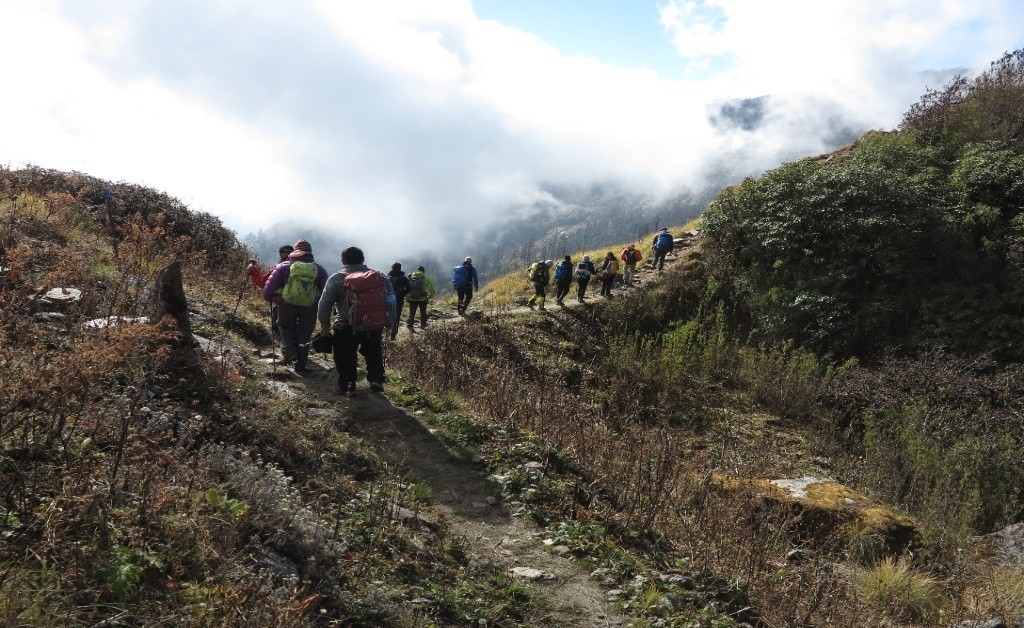
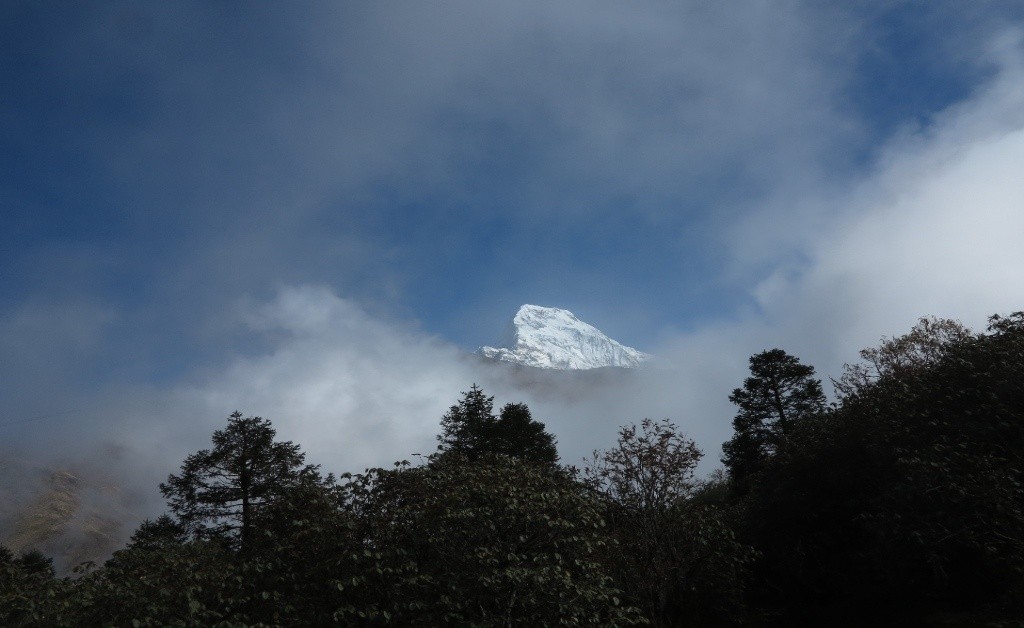
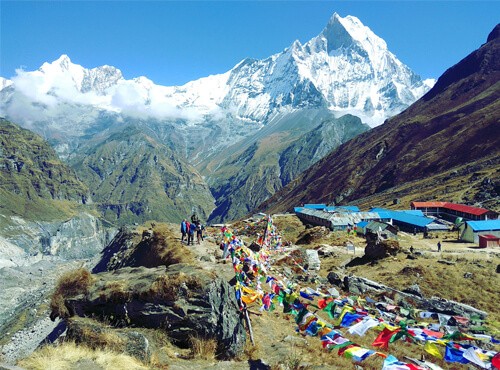
The best time to visit Muldai Viewpoint Trek is during Spring (March to May) and autumn (September to November) when the weather is clear, stable, and ideal for mountain views. In Spring, the routes are charmingly decorated with blooming rhododendron forests, while autumn provides crystal clear skies and the finest visibility of the Himalayan ranges, including Annapurna and Dhaulagiri. Winter (December to February) is also enjoyable for those who prefer quieter trails, although it can be cold, especially at higher altitudes. The Monsoon season (June to August) is generally less recommended due to rain, slippery trails, and unclear mountain views.
The best time to visit Muldai View Point is all year round, as we operate this trek in every season and provide full assistance throughout the year. You can plan the hike at your own convenience and enjoy it in your free time.
Muldai Viewpoint Trek Route Map & Distance
The Muldai Viewpoint Trek is a short, scenic escape into the mountains in the Annapurna region, typically starting from Pokhara, passing by iconic villages along the lower Annapurna trekking path before reaching the viewpoint at 3637 m .
Pokhara → Kimche → Ghandruk → Tadapani → Dobato → Muldai Viewpoint → Ghorepani → Poon Hill → Ulleri → Pokhara
Pokhara to Ghandruk (drive + trek start): ~3–4 hours drive + short hike
Ghandruk to Tadapani: ~6–8 km (2–3 hours trek)
Tadapani to Dobato: ~8–10 km (4–5 hours trek)
Dobato to Muldai Viewpoint & Ghorepani: ~6–8 km (4–5 hours, including sunrise hike)
Ghorepani to Poonhill:~ 1.5 km (45 minutes to 1.5 hours hike)
Ghorepani to Ulleri/Banthanti: ~10–14 km (4–6 hours descent)
Ulleri/Banthanti to Pokhara:~50–55km drive (5 hours)
The Muldai View Point trek covers an approximate distance of 32–42 km in total. The highest point of the trek is Muldai Viewpoint at 3,637 meters, which offers magnificent panoramic views of the Annapurna and Dhaulagiri ranges.
The route typically descends back via Ghorepani, so you also get the added benefit of experiencing the famous sunrise hike at Poon Hill along the way.
Difficulty Level of Muldai Trek
The Muldai Trek is considered an easy to moderate trek in Nepal, making it suitable for beginners, families, and trekkers with a basic level of fitness. The some sections of the trek involve gradual uphill ascents, stone staircases, and forest trails that can feel physically demanding at times. The trek usually involves walking for around 5 to 7 hours per day, which is manageable for most people with normal fitness and stamina. One of the reasons the trek is less challenging compared to other Himalayan treks is its relatively lower altitude, as the highest point, Muldai Viewpoint, stands at around 3,637 meters. The trek is especially popular among those looking for a short and peaceful trekking experience with stunning mountain views of the Annapurna and Dhaulagiri ranges. Weather conditions can also affect the difficulty level, as winter may bring snow and monsoon season can make trails slippery. Overall, the Muldai Trek is a comfortable and rewarding trekking route for anyone seeking a scenic Himalayan adventure without extreme physical challenges.
Altitude challenges
The Muldai Trek does not present major altitude challenges compared to high-altitude treks in Nepal, making it a comfortable option for most trekkers. The highest point of the trek is Muldai Viewpoint at approximately 3,637 meters (11,932 feet), which is below the altitude where severe altitude sickness is commonly experienced.
Since the elevation gain is gradual and the trekking days are relatively short, most trekkers adapt easily without needing extra acclimatization days. However, some people may still experience mild symptoms such as slight headaches, tiredness, shortness of breath, or difficulty sleeping, especially if they ascend too quickly or are not physically prepared. Staying hydrated, walking at a steady pace, eating properly, and avoiding alcohol can help reduce the chances of altitude-related discomfort.
Accommodation & Food During the Trek
Accommodation and food during the Muldai Trek are generally comfortable and suitable for trekkers looking for a traditional teahouse trekking experience in the Annapurna region of Nepal. Along the route, you will stay in local teahouses and lodges operated by village families. The rooms are usually simple but clean, typically featuring twin-sharing beds with mattress, blankets and pillows. In lower villages, some lodges may offer attached bathrooms and hot showers, while higher areas generally provide shared bathroom facilities.
Food options on the trek are varied and nutritious, with menus offering both Nepali and basic international dishes. The most common meal is Dal Bhat, a traditional Nepali dish consisting of rice, lentil soup, vegetables, pickles, and curry, which is popular among trekkers because it is filling and energy-rich. Other commonly available foods include noodles, fried rice, pasta, soup, momos, pancakes, eggs, potatoes, and seasonal vegetables. Tea, coffee, hot lemon, and other warm drinks are also widely available throughout the route. Although the facilities are more basic than in popular trekking routes like Annapurna Base Camp or Everest Base Camp, the Muldai Trek still offers a comfortable and authentic trekking experience with warm local hospitality and satisfying meals.
Permits Required for Muldai Trek
The Muldai Viewpoint lies within the Annapurna Conservation Area, so trekkers are required to acquire a conservation permit before starting the journey.
The main permit needed is the Annapurna Conservation Area Permit (ACAP), which is compulsory for all foreign trekkers entering this region, including routes like Muldai, Poon Hill, Mardi Himal, and Annapurna Base Camp. Permits are arranged by Nepal Nirvana Trails before starting the trek, making the process quick and convenient.
Packing List for Muldai Viewpoint Trek
- Depending upon the weather, Lightweight t-shirts, thermal layers, a warm fleece or down jacket, a waterproof/windproof jacket and pants, trekking trousers,and a warm hat and gloves for higher elevations.
- Strong trekking boots, comfortable hiking socks, and a pair of lightweight sandals or slippers for evenings at teahouses.
- Water bottle or hydration bladder
- sunglasses, sunscreen, and lip balm.
- Basic first-aid kit, personal medications, water purification tablets or filter, wet wipes, hand sanitizer, and toiletries (towel, toilet paper, toothbrush, toothpaste, etc.)
- Lightweight snacks such as energy bars, chocolates, or nuts are highly recommended to keep your energy levels up during the trek.
Internet, Charging & Connectivity
Internet, charging, and mobile connectivity during the Muldai Trek are available in many villages along the route, although the quality of the connection may vary depending on the location and weather conditions. In lower settlements, trekkers can often access Wi-Fi services provided by teahouses for an additional cost, while mobile networks such as NTC and Ncell generally work in several areas of the trek. However, as you move toward higher and more remote sections near Muldai Viewpoint phone signals can occasionally be unstable or unavailable.
Charging facilities for phones, cameras, and other electronic devices are commonly available at teahouses and lodges. Lodges charge a small extra fee per device because electricity is usually supplied through solar power systems. Carrying a power bank or spare batteries is highly recommended, especially for trekkers who frequently use cameras, phones, GPS devices, or drones.
Group vs Private Trek Options
When planning the Muldai Viewpoint Trek, you have the option between a group trek or a private trek, depending on your pace, budget, and preferences.
A private trek provides full flexibility and a more customized experience. You can choose your own departure date, walk at your preferred pace, and enjoy more privacy with your own guide and support team. This option is great for couples, families, photographers, or anyone looking for a more relaxed and personalized journey.
On the other hand, a group trek is a more budget-friendly option and great for social enthusiasts. If you would like to join a group trek, you can simply inquire with us via email. We will try to match your preferred dates with existing bookings. If there are no current groups available, you can booked at your suitable date and we will keep the booking open for those dates for other trekkers to join.
Booking & Payment Policy
The booking and payment policy for the Muldai Trek is generally straightforward. To confirm a booking, trekkers are usually required to pay a deposit of 20% of the total trip cost in advance. Once the deposit is received, the booking is confirmed, and the remaining balance is typically paid upon arrival in Kathmandu/Pokhara before the trek begins.The remaining payment made through card/bank transfer requires addition of inter-banking charges (4% of the remaining cost).
Last-minute bookings are accepted based on availability with quick confirmation. Full payment is required for last-minute bookings.
After booking, clients are often required to provide passport details and a passport-sized photo for permit arrangements.