.jpg)
Summary of the Manaslu Circuit Trek from Pokhara
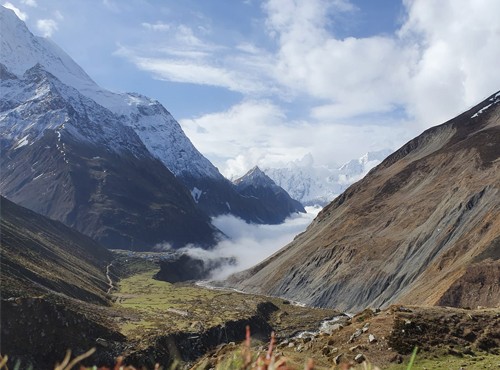
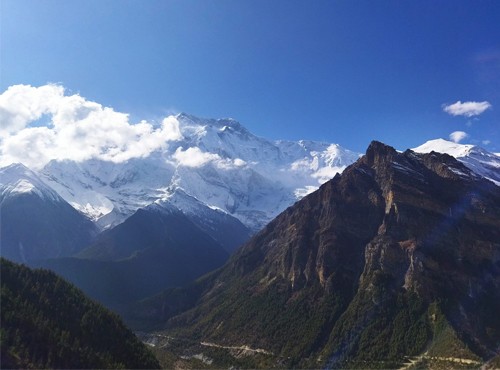
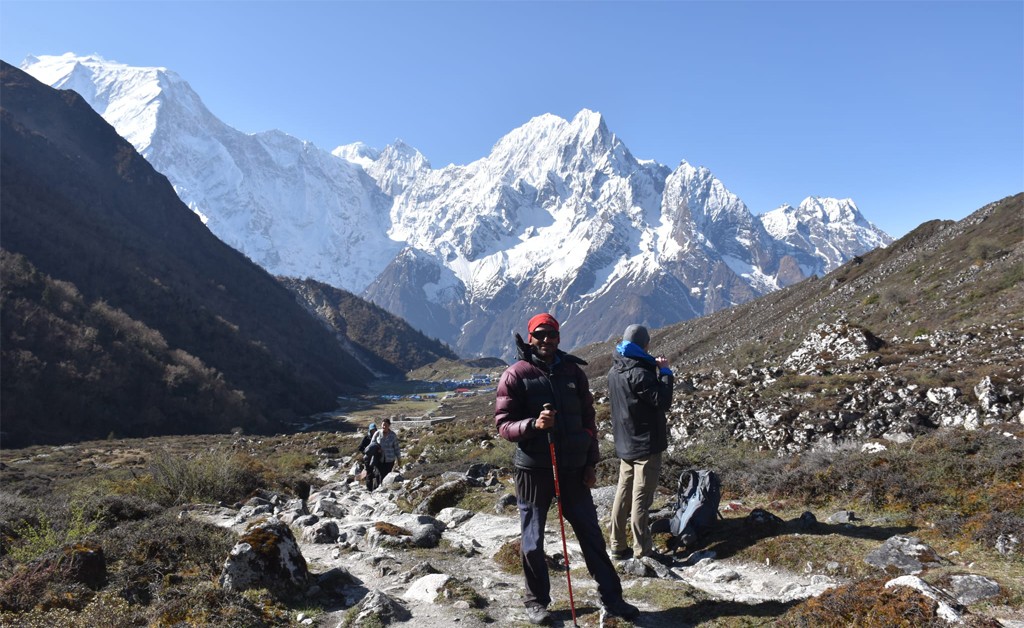
The Manaslu Circuit Trek from Pokhara is a spectacular 13-day adventure through scenic hills, dramatic valleys, authentic Himalayan culture, and peaceful, off-the-beaten-path trails. It is a hidden gem of the Himalayas, nestled in the restricted Manaslu region of western Nepal, between the Annapurna and Ganesh Himal ranges. This remote and relatively undiscovered trek unfolds as a vivid Himalayan journey, ascending from lush subtropical foothills through deep valleys and towering mountains to the windswept, arid high pastures of the Trans-Himalayan region near Tibet. It is an ideal choice for trekkers seeking a remote and authentic Himalayan experience away from the crowds.
What Is The Manaslu Circuit Trek from Pokhara?
The Manaslu Circuit Trek from Pokhara is an unforgettable journey around Mount Manaslu (8,163 m), the world’s eighth-highest mountain, taking you through high mountain terrain, deep river valleys, lush forests, and ultimately across the challenging Larkya La Pass (5,106 m). It is designed for travelers who are already in Pokhara, as well as those looking to combine a visit to Pokhara with the Manaslu Circuit trek. This route offers the perfect blend of natural beauty and adventure, starting from the lakeside charm of Pokhara before heading into the remote, culturally rich trails of the Manaslu region, home to some of the most dramatic mountain scenery in Nepal.
Unlike the standard Manaslu Circuit journey, this route offers a well-connected path between two of Nepal's most iconic trekking regions , Annapurna and Manaslu. You can begin with the diverse landscapes and rich Gurung and Thakali culture of the Annapurna region, then seamlessly continue onward into the remote, dramatic terrain of the Manaslu Circuit, home to the towering Mt. Manaslu (8,163m) and the challenging Larke Pass. This connection makes it possible to experience the highlights of both regions, from Annapurna's varied trails to Manaslu's untouched wilderness. It's a chance to combine two of Nepal's most rewarding treks into one continuous adventure.
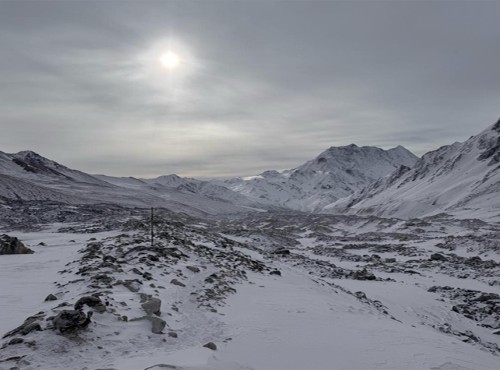
This trek traces a dramatic loop around the towering Manaslu massif, tucked away in Nepal’s restricted Manaslu region, descending into steep river gorges, threading through timeworn mountain villages and ancient monasteries,and culminating with the crossing of the dramatic Larkya La Pass at 5,160 meters.
Pokhara is nestled between several of Nepal’s most popular trekking areas and acts as the primary gateway to the Annapurna region, while the Manaslu region lies farther east in the Gorkha district, near the Nepal–Tibet border. Although the two trekking regions differ from one another, their closeness allows them to be combined into one extended Himalayan journey. This route is especially valuable for travelers looking to experience more than one trekking region during their time in Nepal.
What Makes This Manaslu Circuit Trek From Pokhara Different?
Begin your Manaslu adventure from Pokhara.
This itinerary is thoughtfully designed for travelers who are already based in Pokhara as well as those who wish to add Pokhara’s scenic charm to their Nepal journey before setting off towards the remote Manaslu region. From Pokhara, the route gradually leaves the bustling city behind, leading you through peaceful mountain villages, lush forests, dramatic river valleys, and rugged Himalayan landscapes before the trek officially begins.
From Pokhara's Picturesque Lakeside to the Wild Beauty of Manaslu
The contrast in scenery is one of the highlights of this itinerary. You'll set off through Pokhara's verdant hills and calm surroundings,gradually entering the rugged landscapes of the Manaslu region. As you travel deeper into the mountains, green valleys give way to steep river gorges, dense forests, traditional settlements, and dramatic Himalayan terrain.
Uncover the Authentic Spirit of Manaslu
Known for its off-the-beaten-path trails, tight-knit mountain villages, and strong Tibetan cultural influence, the Manaslu Circuit Trek stands apart from Nepal's better-known trekking routes, offering a more peaceful and genuine Himalayan journey. Along the way, ancient monasteries, fluttering prayer flags, mani walls, chortens, and traditional settlements provide a fascinating cultural dimension throughout the trek.
Ideal for Travelers Flying Directly to Pokhara
If Kathmandu is not part of your travel plans, this itinerary provides an excellent alternative. Travelers can fly directly into Pokhara International Airport and continue their journey toward the Manaslu region without having to travel to Kathmandu first. This makes the itinerary particularly convenient for those who want to spend less time in the capital and more time exploring Nepal’s mountains and natural landscapes.
Cost for Manaslu Circuit Trek from Pokhara
If you're considering the Manaslu Circuit Trek starting from Pokhara, Nepal Nirvana Trails provides budget-friendly rates. Pricing based on group size is outlined below:
Pax | Price |
1-1 | USD 1395 |
2-2 | USD 1095 |
3-6 | USD 995 |
7-10 | USD 895 |