Panchpokhari Trek- 5 days

Know before you go
  • Duration 5 Days
  • Difficulty Level Moderate
  • Trip Start and End Kathmandu to Kathmandu
  • Best Season March to May, Mid-Sept to Dec
  • Maximum Altitude 4350m.|14271ft.

Highlights

  • Scenic 5-day trek to the sacred Panch Pokhari lakes in the Langtang region.
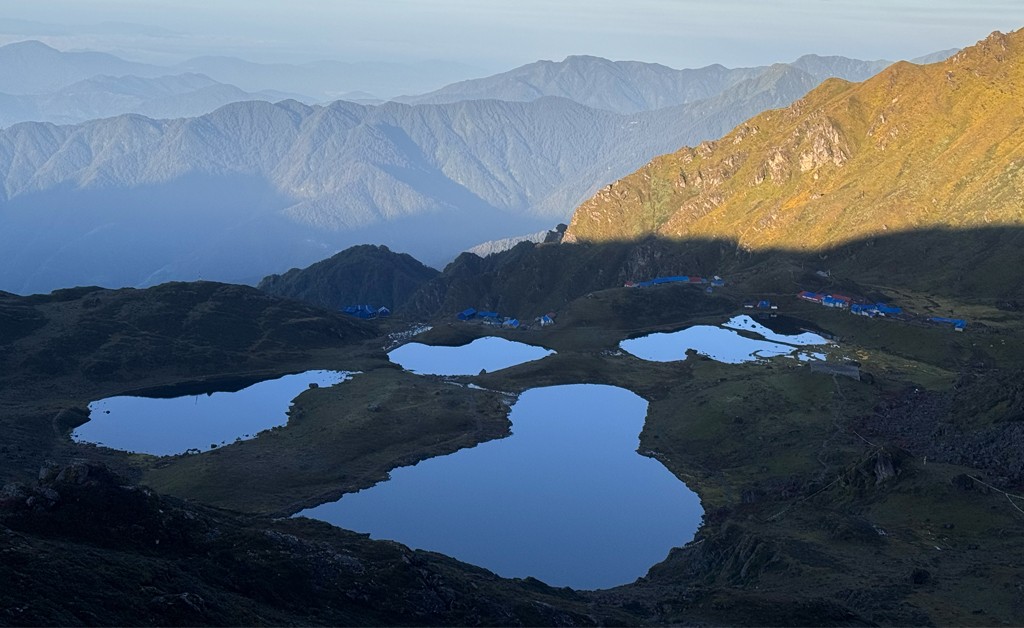
  • Explore the five holy alpine lakes, an important pilgrimage site for both Hindus and Buddhists.
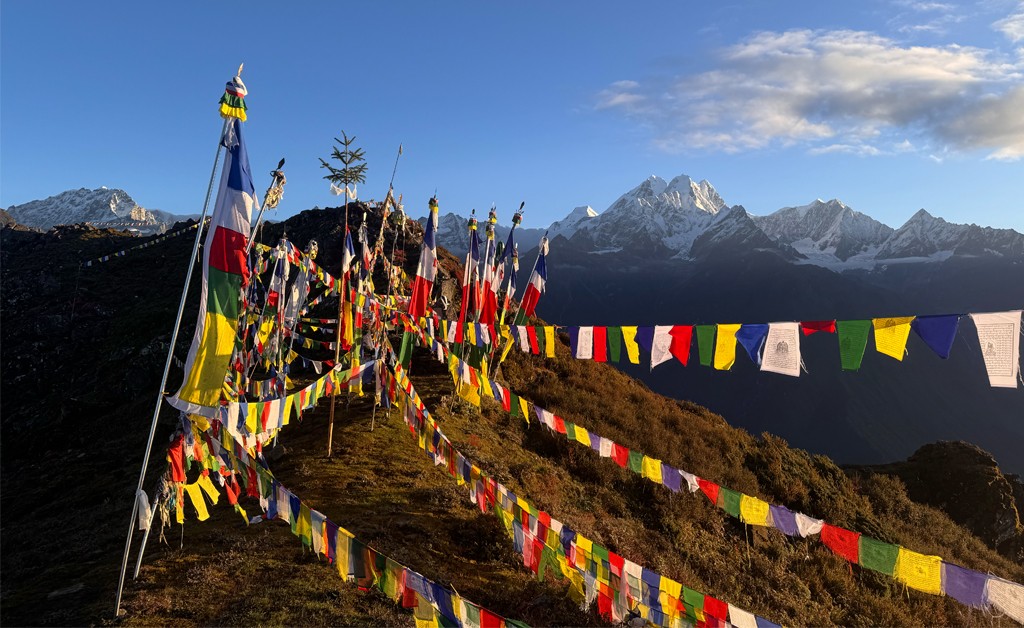
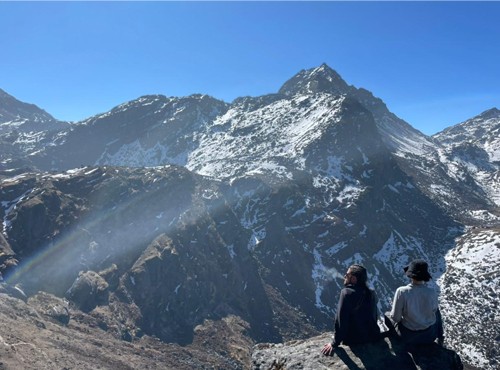
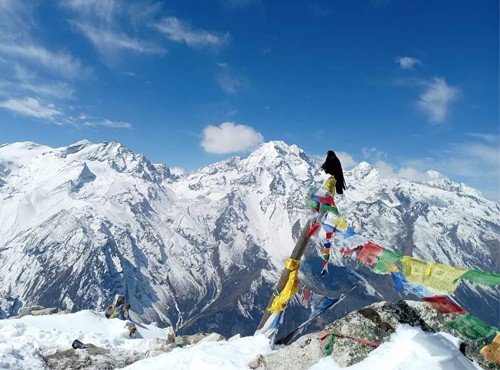
  • Enjoy spectacular views of Langtang, Jugal Himal, Dorje Lakpa, and other Himalayan peaks.
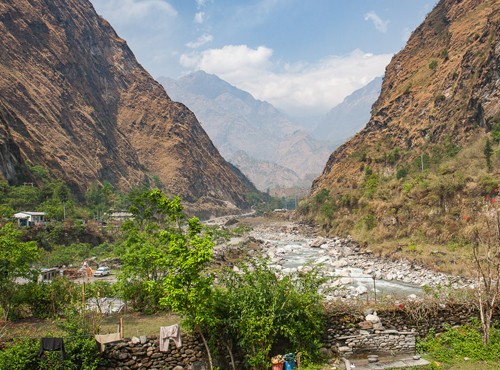
  • Trek through lush forests, terraced fields, peaceful villages, and remote mountain landscapes.
  • Experience the traditional culture and lifestyle of Tamang and Sherpa communities.
  • Hike to Panch Pokhari viewpoint for breathtaking sunrise and panoramic Himalayan scenery.
  • Discover the peaceful and less-crowded trails of the Panch Pokhari region.
  • Enjoy beautiful landscapes, including rhododendron forests, green hills, alpine meadows, and mountain valleys.
  • Experience the spiritual atmosphere of one of Nepal’s significant high-altitude pilgrimage destinations.
  • A rewarding short trek combining nature, culture, adventure, and Himalayan views.

Summary of the Panchpokhari Trek

The Panch Pokhari Trek is a captivating adventure into Nepal's untouched wilderness, leading to five sacred alpine lakes away from the country’s busy trekking trails, surrounded by pristine landscapes and breathtaking Himalayan panoramas. Along the way, the route passes through lush forests, remote settlements, and scenic ridgelines, offering an authentic opportunity to experience the natural beauty, local culture, and peaceful charm of the Himalayas. The Panch Pokhari Trek is a wonderful choice for those seeking a peaceful, less-traveled path, offering an authentic off-the-beaten-track experience without requiring a lengthy time commitment.

Panch Pokhari Trek is a peaceful and rewarding adventure through one of Nepal’s less-explored Himalayan areas in the Langtang region. The trek takes you to Panch Pokhari, which means “Five Lakes,” a group of sacred alpine lakes sitting at around 4,100 meters. Tucked among the high hills and mountains, these beautiful lakes are surrounded by a quiet wilderness that feels far removed from the busy trekking routes of Nepal. The deep blue waters of the lakes, rugged mountain slopes, and o  

Why Choose the Panchpokhari Trek?

Explore Five Sacred Lakes

You will discover the five beautiful alpine lakes of Panch Pokhari, tucked high in the Himalayas and known for their peaceful surroundings and deep cultural and spiritual importance. Revered by both Hindu and Buddhist pilgrims, these sacred lakes have drawn devotees for generations,  who trek to their shores to seek blessings and perform rituals amid the tranquil mountain scenery. Beyond their spiritual importance, you will also enjoy the peaceful beauty of the surrounding alpine landscape, with dramatic mountain peaks, fresh air, and unspoiled nature making the journey just as memorable as reaching the lakes themselves.

Enjoy Stunning Himalayan Views

As you reach the higher parts of the trek, you will be rewarded with sweeping views of the surrounding Himalayan peaks, including Dorje Lakpa, Jugal Himal, Langtang, and the Rolwaling range. As you climb higher, you will see the snow-covered peaks stretching across the horizon, with each viewpoint revealing a wider and more impressive Himalayan landscape. The stunning mountain scenery makes the climb worthwhile and gives you plenty of memorable moments along the way.

Immerse Yourself in Local Culture

Along the way, you’ll pass through traditional mountain villages, where you can experience the simple daily life, local customs, and traditions that have been part of these communities for generations. You will meet friendly villagers along the trail and get a real feel for mountain life, from traditions passed down through generations to the simple routines of everyday life in the hills. You will also have the chance to connect with the local people, learn about their way of life, and experience the culture of the communities that call this beautiful region home.

A Less-Crowded Trekking Experience

 If you’re looking for a slower and more peaceful Himalayan experience, Panch Pokhari gives you the chance to enjoy the mountains away from the crowds found on Nepal’s more popular trekking routes. Away from the busy and crowded trekking routes, you will have the freedom to enjoy the quietness of the mountains, immerse yourself in solitude, and experience the trail at your own pace. It’s a great choice if you want to enjoy the adventure while also having plenty of quiet moments to take in the mountains, making your experience in the Himalayas feel more personal and memorable.

Scenery, Landscapes and Mountain Views

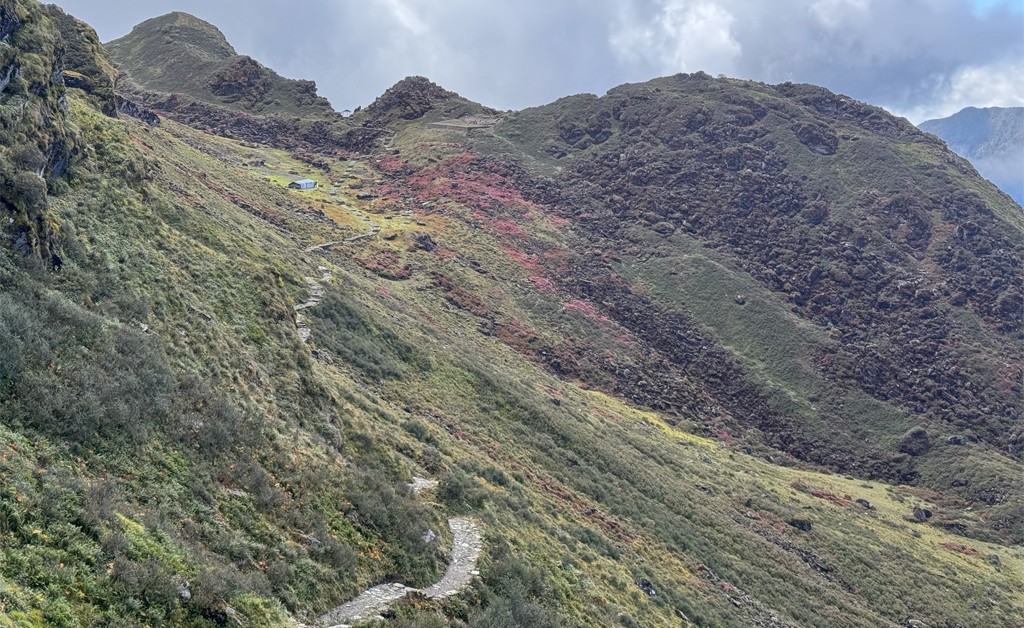
As you make your way toward Panchpokhari, the landscape gradually transforms with every stage of the journey. The trail winds through dense forests, traditional hillside villages, and cultivated terraces before opening onto rugged ridges and expansive mountain scenery. With increasing elevation, the surroundings become more dramatic, offering trekkers a changing perspective of the Himalayan terrain and its remote natural beauty.

The journey culminates at the serene Panchpokhari, where five sacred lakes rest among the rugged highland terrain. Surrounded by rolling ridges and dramatic Himalayan landscapes, the lakes create a peaceful setting at the heart of the trek. From the elevated trails and viewpoints nearby, you can take in sweeping vistas toward the Jugal Himal and the surrounding peaks of the Langtang and central Himalayan ranges. Along the way, the trail threads through rhododendron forests, open meadows, rocky stretches, and traditional villages, giving the trek a rich sense of variety from start to finish. This blend of sweeping mountain vistas, highland scenery, forest cover, and sacred alpine lakes makes Panchpokhari a truly rewarding choice for those seeking a quieter, more off-the-beaten-path Himalayan experience.

Culture and Local Life Along the Trail

The Panchpokhari Trek offers more than mountain scenery, allowing you to experience the traditional lifestyle and cultural heritage of the communities living in the hills of Sindhupalchok. The trail passes through small villages where daily life remains closely connected to farming, livestock, local traditions, and the natural surroundings.

Along the way, you may encounter Tamang and Sherpa communities, visit traditional settlements, and observe local customs, architecture, and religious practices. The sacred Panchpokhari area itself holds deep spiritual importance for both Hindu and Buddhist communities, with pilgrims visiting the lakes during religious festivals. These cultural encounters add a meaningful dimension to the trek, giving you a closer look at the people and traditions of this less-visited Himalayan region.

Panchpokhari Trek Highest Point

The highest point of the Panchpokhari Trek is reached during the hike from Panchpokhari to the nearby viewpoint, which rises to approximately 4,300 meters above sea level. After reaching the sacred Panchpokhari lakes, the trail continues uphill toward the viewpoint, where the higher elevation opens up panoramic views of the surrounding Himalayan ranges, including Jugal Himal and the Langtang region. The ascent to the viewpoint is one of the most rewarding sections of the trek, combining the tranquil setting of the five lakes with expansive mountain scenery from above.
Itinerary

Day to Day Details

Expand AllCollapse All

  • Tea House
  • Lunch and Dinner

  • Tea House
  • Breakfast, Lunch and Dinner

  • Tea House
  • Breakfast, Lunch and Dinner

  • Tea House
  • Breakfast, Lunch and Dinner

    Share your travel plans, and our experts will craft a fully customized journey just for you. From thrilling treks and adventure activities to cultural experiences and nature explorations, we create every detail for a safe, seamless, and unforgettable holiday in 2026.

    What's Included

    • Trek Accommodation: 4 nights at the teahouses
    • Trek Meals: 4 breakfasts, 5 lunches, 4 dinners, and a Cup of tea or coffee with meals
    • Seasonal Fresh fruit each day, if and when available
    • Trekking Staff: Experienced English-speaking government-licensed trekking guide
    • Staff Wages: Guide's salary, food, equipment, and insurance
    • Permit: Langtang National Park Area Permits
    • Transportation: Local Bus from KTM to Chimti to KTM
    • Equipment: Sleeping bag and trekking poles (to be returned after the trek)
    • First-aid kit: Your guide will carry a comprehensive first-aid kit with an oximeter and other basic medications
    • Benefits: Nepal Nirvana Trails Company T-shirts, Manaslu Region Trekking map, Water purification tablets
    • Storage Service: Luggage Storage at our office for the duration of the trek
    • Rescue arrangements, if necessary (Note: Your insurance will cover the rescue operation; we help to make all the arrangements and contact your insurance agent)
    • Official expenses and government taxes/VAT

    What's Excluded

    • International flight tickets and Nepal entry visa
    • Food and Hotel in Kathmandu
    • Travel and health Insurance that covers emergency Rescues and evacuations
    • During trekking time, personal expenses, snacks, alcoholic beverages, Coke, juice, bottled and hot water, WI-FI, battery charging, hot shower, etc.
    • Porter: One porter per 2 trekkers is recommended at USD 200
    • Private Jeep: KTM - Chimti - KTM USD 150 each way
    • Tips for the trek guide and porter (it is appreciated)

    Useful Info

    Best Time for the Panchpokhari Trek

    Panch Pokhari welcomes visitors across the seasons, though spring and autumn stand out as the prime windows for trekking. Between March and May, the trails come alive with blooming rhododendrons, comfortable temperatures, and crisp mountain views, a particularly stunning stretch for anyone who loves hiking through forests and hillsides painted with color.

    From September through November, autumn typically brings clearer skies and more stable trekking conditions to the region. October and early November stand out as the peak window, when crisp Himalayan scenery and mild daytime temperatures make the walk to the sacred Panch Pokhari lakes especially pleasant.

    Monsoon season, from June to August, tends to bring heavy rain, slippery trails, and hazy mountain views, making trekking less ideal. Winter, spanning December to February, turns notably colder, with snowfall likely along the trail's higher stretches. That said, seasoned trekkers seeking solitude and a tougher challenge may still find winter worth attempting.

    Panchpokhari Trek Difficulty and Fitness Level

    The Panchpokhari Trek falls into the moderate difficulty category, making it a good fit for travelers with decent fitness levels and some prior hiking background. Along the way, the route winds through forests, traditional villages, and ridgelines, with a fair share of steep ascents and descents , so you should be ready for long walking days over uneven ground. No technical climbing expertise is needed for this trek, but solid stamina and physical readiness matter, especially on the steeper stretches approaching Panchpokhari. On average, each trekking day involves roughly 5–7 hours on the trail. Building endurance ahead of time, through regular walking, hiking, stair climbing, and cardio workouts, can make a real difference in how the trek feels. With the right preparation and a steady, unhurried pace, the Panchpokhari Trek is achievable comfortably by fit beginners and seasoned trekkers alike.

    How to Get to the Panchpokhari Trek Starting Point

    The Panchpokhari Trek begins with a scenic drive from Kathmandu to Chimti, a small settlement in Sindhupalchok that serves as the starting point for the trek. You can travel by local bus from Kathmandu, passing through winding mountain roads, traditional villages, terraced farmland, and green hills along the way. The bus journey provides an opportunity to experience the changing landscapes and everyday life of rural Nepal before reaching Chimti. From here, the trekking route continues on foot through forested trails and hillside settlements, gradually leading toward the higher landscapes and sacred lakes of Panchpokhari.

    Panchpokhari Trek Distance and Elevation

    The Panchpokhari Trek leads from the scenic foothills of Sindhupalchok toward the remote alpine surroundings of the sacred Panchpokhari lakes. The total walking distance is generally around 45–50 km, taking you through diverse terrain and gradually changing landscapes. Beginning at approximately 1,600 meters in Chimti, the trail steadily ascends through forested hills, rural settlements, and increasingly rugged alpine landscapes. The route eventually reaches Panchpokhari at around 4,100 meters, where the higher elevation brings a dramatic change in scenery, along with broader views of the surrounding Himalayan peaks and valleys.

    Accommodation During the Panchpokhari Trek

    Accommodation on the Panchpokhari Trek is generally simple and community-based, reflecting the remote nature of the region. Along the trail, trekkers usually stay in basic teahouses, homestays, or local lodges, where rooms are modest but provide a comfortable place to rest after a day of walking. As the route enters the more remote and higher sections, accommodation options become limited. Staying in local homes and small lodges also provides an opportunity to experience the warm hospitality, traditional lifestyle, and local food of the communities along the trail. Compared with the well-developed facilities found along the Everest and Annapurna routes, accommodation in Panchpokhari is more modest. However, the limited infrastructure adds to the trek’s quiet, authentic, and off-the-beaten-path character, allowing travelers to experience the Himalayan environment away from the crowds and commercial atmosphere of busier trekking regions.

    Food and Drinking Water on the Trail

    Meals on the Panchpokhari Trek are mostly home-cooked and straightforward having the flavors of rural Nepal along the way. Teahouses and local homestays commonly serve dishes such as dal bhat, rice, noodles, vegetables, soup, and simple Tibetan-inspired meals. These filling meals are ideal after a long day of walking. Since the food options become fewer as you get deeper into the remote sections of the trail, it is a good idea to carry some light snacks like chocolate, nuts, dried fruit, or energy bars for extra energy during the day.

    Drinking water is available from local taps, springs, and other natural sources along sections of the trail. However, untreated mountain water should not be consumed directly. You are advised to purify or filter all drinking water before use. Carrying a reusable water bottle or hydration system is also recommended to stay hydrated throughout the trek.

    What to Pack for the Panchpokhari Trek

    Clothing

    • T-shirts
    • Long-sleeve shirts
    • Trekking trousers
    • Thermal innerwear
    • Fleece jacket
    • Down jacket
    • Waterproof/windproof jacket
    • Warm socks
    • Gloves
    • Sun hat and warm beanie

    Footwear

    • Sturdy trekking shoes
    • Comfortable sandals or slippers
    • Extra pairs of trekking socks

    Backpack & Bags

    • 40–60L backpack or duffle bag
    • Small daypack
    • Rain cover
    • Waterproof packing bags

    Personal Essentials

    • Sunglasses
    • Sunscreen
    • Lip balm
    • Headlamp
    • Reusable water bottle
    • Water purification tablets/filter
    • Toiletries
    • Personal medication

    Trekking Accessories

    • Trekking poles
    • Gaiters
    • Quick-dry towel
    • Basic first-aid kit

    Electronics

    • Power bank
    • Charging cables
    • Camera

    Snacks

    • Energy bars
    • Chocolate
    • Nuts
    • Dried fruits

    Internet, Mobile Network and Electricity  

    Mobile Network: Mobile connectivity along the Panchpokhari Trek varies considerably as the trail moves through different elevations and more remote areas. In villages and lower sections of the route, you may be able to access NTC or Ncell networks, although the strength of the signal can differ from one location to another. As you move toward the higher and more isolated sections around Panchpokhari, network coverage becomes limited, and there may be stretches with little or no signal. For this reason, it is advisable to make important calls and messages before entering remote sections and to let family or friends know that connectivity may be intermittent during the trek.

    Internet: Internet access is relatively limited along the Panchpokhari Trek due to the remote nature of the trail. Unlike the more developed trekking routes in Everest and Annapurna, Wi-Fi is not consistently available at teahouses and homestays. Some villages and accommodations may offer internet access when a connection is available, but the speed and reliability can vary considerably. As you travel toward the higher and more isolated sections of the route, internet access becomes increasingly difficult and may not be available at all. It is therefore recommended to download maps, important documents, and other necessary information in advance and be prepared for periods without internet connectivity.

    Electricity: Electricity is available in some villages and accommodation areas along the Panchpokhari route, but access becomes more limited as you move into the remote sections of the trek. Teahouses and homestays may provide basic charging facilities, although availability can depend on the location and local power supply. Since charging opportunities are not guaranteed throughout the journey, carrying a fully charged power bank or portable charger is a practical way to keep your phone, camera, and other essential devices powered during the trek.

    Safety Tips for the Panchpokhari Trek  

    • Acclimatize Properly: The trail reaches around 4,100–4,300 meters, so allow your body enough time to adapt as you gain altitude. Avoid rushing the climb, especially on the way to Panchpokhari and the viewpoint. Maintain a slow, steady pace, take regular breaks, and listen to your body to make the trek more comfortable and enjoyable.

    • Stay Hydrated: Drink water regularly throughout the day and carry enough with you for each section of the trek. Water sources can be limited or unreliable in the more remote parts of the trail, so make sure you have a sufficient supply before heading out. Using a water filter or purification tablets is also recommended when refilling from local sources.

    • Carry Appropriate Clothing: Be prepared for changing mountain weather by carrying warm layers that you can easily add or remove throughout the day. A waterproof jacket is also essential, as mountain conditions can shift quickly and unexpectedly.
    • Trek With a Local Guide: Having a local guide can make your journey more comfortable and enjoyable. They can help you navigate changing trail conditions, arrange accommodation along the way, and communicate with local people. A guide also gives you a better opportunity to learn about the culture, traditions, and everyday life of the communities you encounter during the trek.
    • Respect Nature and Local Culture: Help preserve the beauty of the Panchpokhari region by keeping the trail clean, avoiding unnecessary disturbance to wildlife, and showing respect when visiting religious and cultural sites. If proper waste bins are not available, carry your rubbish with you until you find a suitable place to dispose of it. These simple practices help protect the natural surroundings and keep the trail clean for future trekkers and local communities.

    Similar Trips

    Ask a Question

    help
    Need help?

    Start planning your 2026 Nepal adventure today! Talk to our local experts and create a trekking or travel experience you’ll never forget.