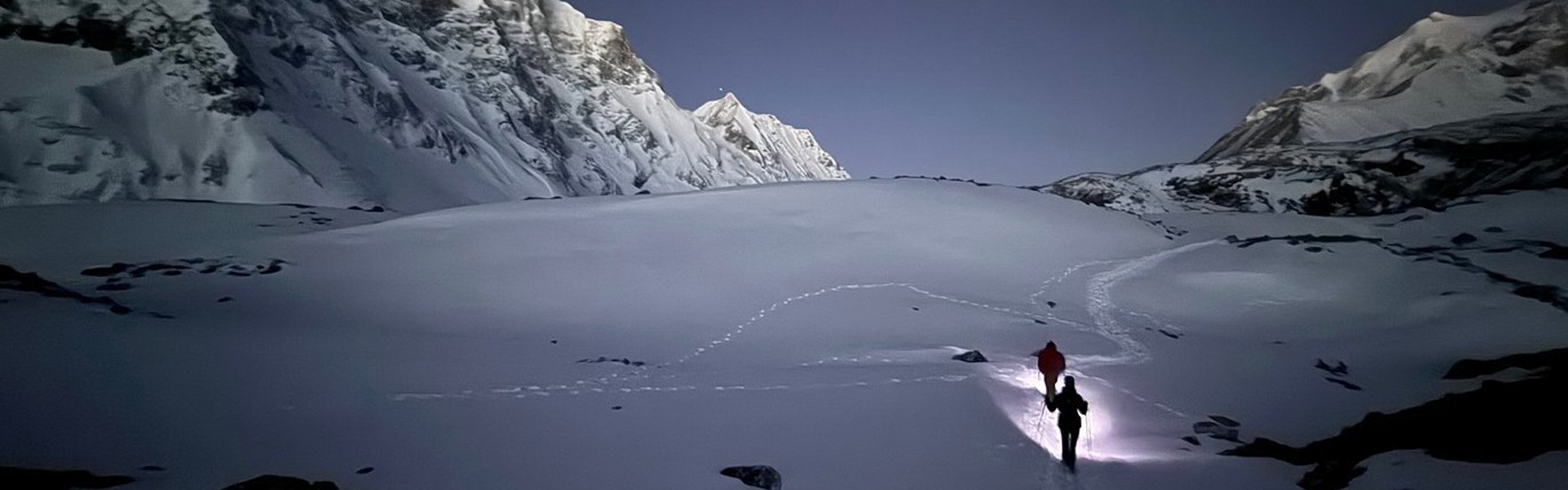
As more trekkers search for quieter Himalayan adventures, the Manaslu region has become one of Nepal's fastest-growing trekking destinations. But does its rising popularity mean it has lost the solitude and authenticity that make it so special? In this comprehensive guide, we compare Manaslu vs Everest and Manaslu vs Annapurna, exploring crowd levels, trekking experiences, infrastructure, cultural attractions, and trail conditions. You'll discover why the Manaslu Circuit Trek remains one of the best less-crowded treks in Nepal, where you'll encounter the most visitors, the best time to avoid crowds, and whether now is the perfect time to experience this spectacular Himalayan journey. Whether you're planning your first trek in Nepal or looking for an alternative to Everest and Annapurna, this guide will help you choose the trek that best matches your travel style and adventure goals.
Is Manaslu Getting Crowded? Comparing Manaslu vs Everest & Annapurna
Table of Contents
![Manaslu]() US $1195
US $1195
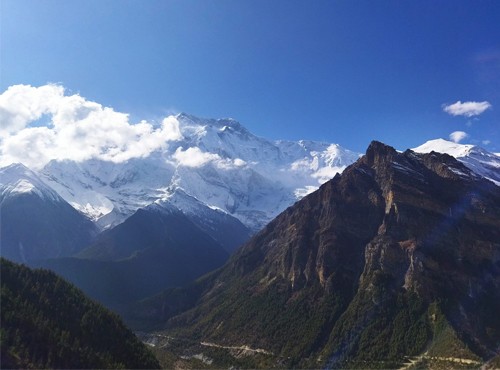
Every year, thousands of trekkers travel to Nepal with the same dream to walk among the world's highest mountains. For decades, the Everest Base Camp Trek and the Annapurna Circuit Trek have dominated bucket lists, attracting adventurers from every corner of the globe. Their popularity is well deserved. Both offer breathtaking Himalayan scenery, rich cultural experiences, and well-developed trekking infrastructure.
However, their growing popularity has also changed the trekking experience. During the peak trekking seasons of spring (March to May) and autumn (September to November), many sections of the Everest and Annapurna trails become crowded. Tea houses often fill quickly, popular viewpoints attract large groups of trekkers, and the sense of solitude that once defined these legendary routes has become harder to find.
As a result, more trekkers are beginning to ask a different question:
Is there still a Himalayan trek where you can experience spectacular mountain scenery without the crowds?
For many, the answer is the Manaslu Circuit Trek.
Once considered one of Nepal's hidden trekking destinations, the Manaslu region has rapidly gained international attention. Improved tea houses, better transportation to the trailhead, growing social media exposure, and an increasing interest in off-the-beaten-path adventures have transformed Manaslu from a little-known restricted trekking region into one of Nepal's fastest-growing trekking destinations. This rise in popularity naturally raises another important question:
Is Manaslu getting crowded?
The short answer is yes, but not in the same way as Everest or Annapurna. Visitor numbers have increased steadily over the last decade, particularly during the spring and autumn trekking seasons. Popular villages such as Samagaon and Samdo now welcome considerably more trekkers than they did ten years ago, and tea houses can occasionally become busy during October, Nepal's busiest trekking month.
Yet the overall trekking experience remains very different from Nepal's most famous trekking routes. Unlike Everest and Annapurna, where hundreds of trekkers may share the trail on a single day during peak season, the Manaslu Circuit still offers long stretches of peaceful walking through forests, alpine valleys, remote villages, and high mountain landscapes where encounters with other trekking groups remain relatively limited.
Much of this is due to the region's protected status. The Manaslu Circuit is a restricted trekking area that requires special permits and a licensed guide, helping regulate visitor numbers while protecting fragile ecosystems and preserving centuries-old Tibetan Buddhist culture. For trekkers seeking a quieter, more authentic Himalayan adventure, Manaslu continues to offer something increasingly rare in modern trekking: a genuine feeling of exploration.
But how does it really compare with Nepal's two most famous trekking regions?
This guide provides a detailed comparison of the Manaslu, Everest, and Annapurna regions, examining crowd levels, infrastructure, cultural experiences, trail conditions, accessibility, and future tourism trends. Whether you're planning your first Himalayan trek or looking for an alternative to Nepal's busiest routes, this article will help you decide whether the Manaslu Circuit is still the peaceful mountain adventure you've been searching for.
.jpg)
Quick Comparison: Manaslu vs Everest vs Annapurna
Choosing between Nepal's three most famous trekking regions isn't simply about selecting a trail; it's about deciding what kind of Himalayan experience you want.
Each region offers world-class mountain scenery, unique local cultures, and unforgettable trekking adventures. However, they differ significantly in terms of visitor numbers, accessibility, infrastructure, wilderness, and overall atmosphere.
If your priority is reaching the base of the world's highest mountain, the Everest region is difficult to beat. If you enjoy diverse landscapes, comfortable tea houses, and a wide variety of trekking options, Annapurna remains one of Nepal's most versatile destinations.
But if your goal is to experience the Himalayas in a quieter, less commercialized setting while still enjoying dramatic mountain scenery and authentic local culture, the Manaslu Circuit has become one of Nepal's strongest alternatives.
At a Glance Comparison
Feature | Manaslu Circuit | Everest Region | Annapurna Region |
| Crowd Level | Moderate | Very High | Very High |
| Popularity | Rapidly Growing | Extremely Popular | Extremely Popular |
| Main Attraction | Remote wilderness & Tibetan culture | Mount Everest | Diverse landscapes |
| Trekking Style | Remote circuit trek | Destination-based treks | Multiple trekking options |
| Infrastructure | Good | Excellent | Excellent |
| Road Access | Limited | None on main EBC trail | Extensive in several areas |
| Permit Requirements | Restricted Area Permit | Standard permits | Standard permits |
| Guide Requirement | Mandatory | Optional | Optional |
| Tea Houses | Comfortable but basic | Excellent | Excellent |
| Authenticity | Very High | High | Moderate to High |
| Best For | Experienced and first-time trekkers seeking solitude | First-time Himalayan trekkers | Trekkers wanting variety |
Although comparison tables provide a useful overview, the real differences become apparent once you're actually on the trail.
Everest Region: Nepal's Most Iconic Trekking Destination
Few trekking destinations in the world carry the prestige of the Everest region. Home to Mount Everest (8,848.86 m), this region has inspired adventurers, climbers, and photographers for generations. The Everest Base Camp Trek remains Nepal's most famous trekking route, attracting tens of thousands of trekkers each year. Alongside it, routes such as the Gokyo Lakes Trek, Three Passes Trek, and Everest View Trek offer equally spectacular alternatives.
One of the greatest strengths of the Everest region is its well-developed infrastructure. Comfortable tea houses, cafés, bakeries, internet access, charging facilities, and even helicopter evacuation services are widely available throughout the trail. This convenience makes Everest particularly attractive for first-time trekkers and international visitors who appreciate reliable services at high altitude.
However, its popularity comes at a price. During October and April, some sections of the Everest trail can become surprisingly busy. Trekkers often find themselves hiking in long lines between Lukla, Namche Bazaar, and Tengboche. Popular viewpoints such as Kala Patthar can become crowded at sunrise, while tea houses in villages like Namche Bazaar and Dingboche frequently operate at full capacity.
Despite these crowds, the Everest region remains one of the world's greatest trekking experiences. Standing beneath the towering Khumbu Icefall while surrounded by giants such as Lhotse, Nuptse, Ama Dablam, and Everest itself is an unforgettable experience that continues to justify its global reputation.
For trekkers whose lifelong dream is to see the world's highest mountain up close, the Everest region remains unmatched.
Annapurna Region: Nepal's Most Diverse Trekking Destination
If Everest is famous for one mountain, Annapurna is celebrated for its incredible diversity.
Stretching across one of Nepal's largest protected areas, the Annapurna region offers everything from lush subtropical forests and terraced farmland to alpine meadows, deep river gorges, glacial valleys, and high mountain passes.
This diversity has made it Nepal's most visited trekking region. Trekkers can choose from a wide range of routes, including the Annapurna Circuit,Annapurna Base Camp Trek, Mardi Himal Trek, Ghorepani Poon Hill Trek, Khopra Ridge Trek, and several shorter itineraries suitable for beginners. Accessibility is another major advantage. Most treks begin within a few hours' drive of Pokhara, making the Annapurna region easier and more affordable to reach than the Everest region.
The tea house network is extensive, with comfortable accommodation available throughout the region. Restaurants often serve a wide selection of Nepali, Tibetan, Indian, and Western dishes, while many villages offer Wi-Fi, hot showers, and modern trekking facilities. However, the Annapurna region has undergone significant changes over the past two decades.
Road construction has transformed parts of the traditional Annapurna Circuit, replacing several sections of the original trekking trail with vehicle tracks. Although alternative walking routes have been developed, many experienced trekkers feel that the circuit has lost some of the remote wilderness atmosphere that once made it one of the world's greatest long-distance treks. Combined with increasing visitor numbers, these developments have encouraged many adventure travelers to explore quieter alternatives, bringing growing attention to the Manaslu Circuit.
Manaslu Region: Nepal's Rising Himalayan Gem?
Nestled in the shadow of Mount Manaslu (8,163 m), the world's eighth-highest mountain, the Manaslu region has quietly transformed from one of Nepal's least-visited trekking destinations into one of its most sought-after adventures. Unlike the bustling trails of Everest and the diverse yet increasingly commercialized Annapurna region, Manaslu continues to offer something many trekkers believe is becoming rare in the Himalayas: a genuine sense of exploration.
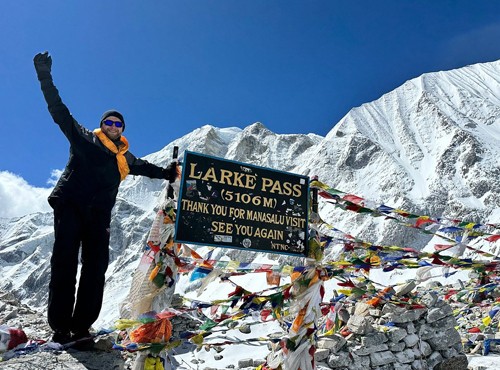
The Manaslu Circuit Trek circles the massive Manaslu massif over approximately 11–14 days, leading trekkers through deep river gorges, dense forests, alpine meadows, glacier valleys, traditional Tibetan-influenced villages, and finally across the spectacular Larkya La Pass (5,106 m), one of Nepal's highest and most rewarding trekking passes.
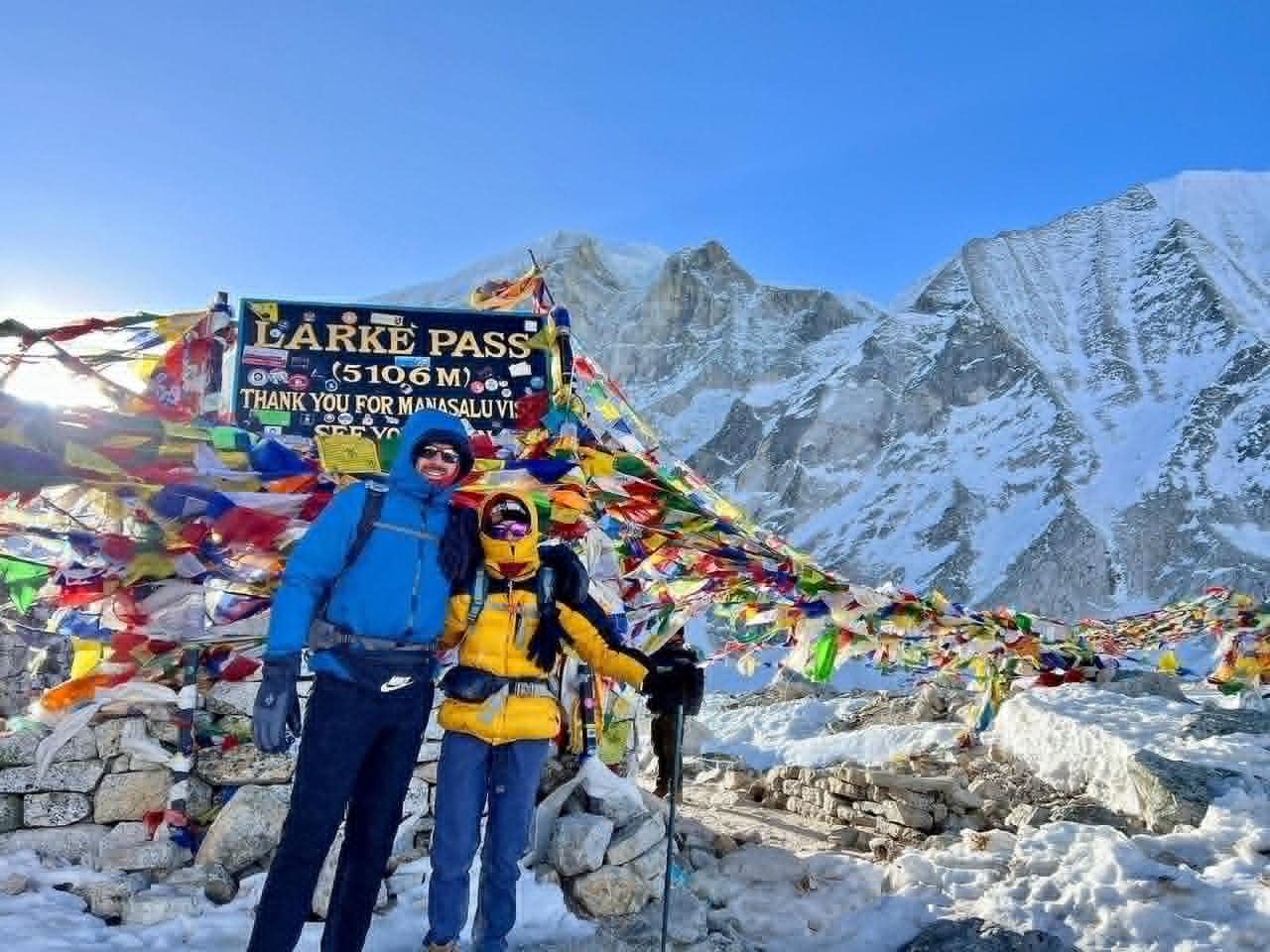
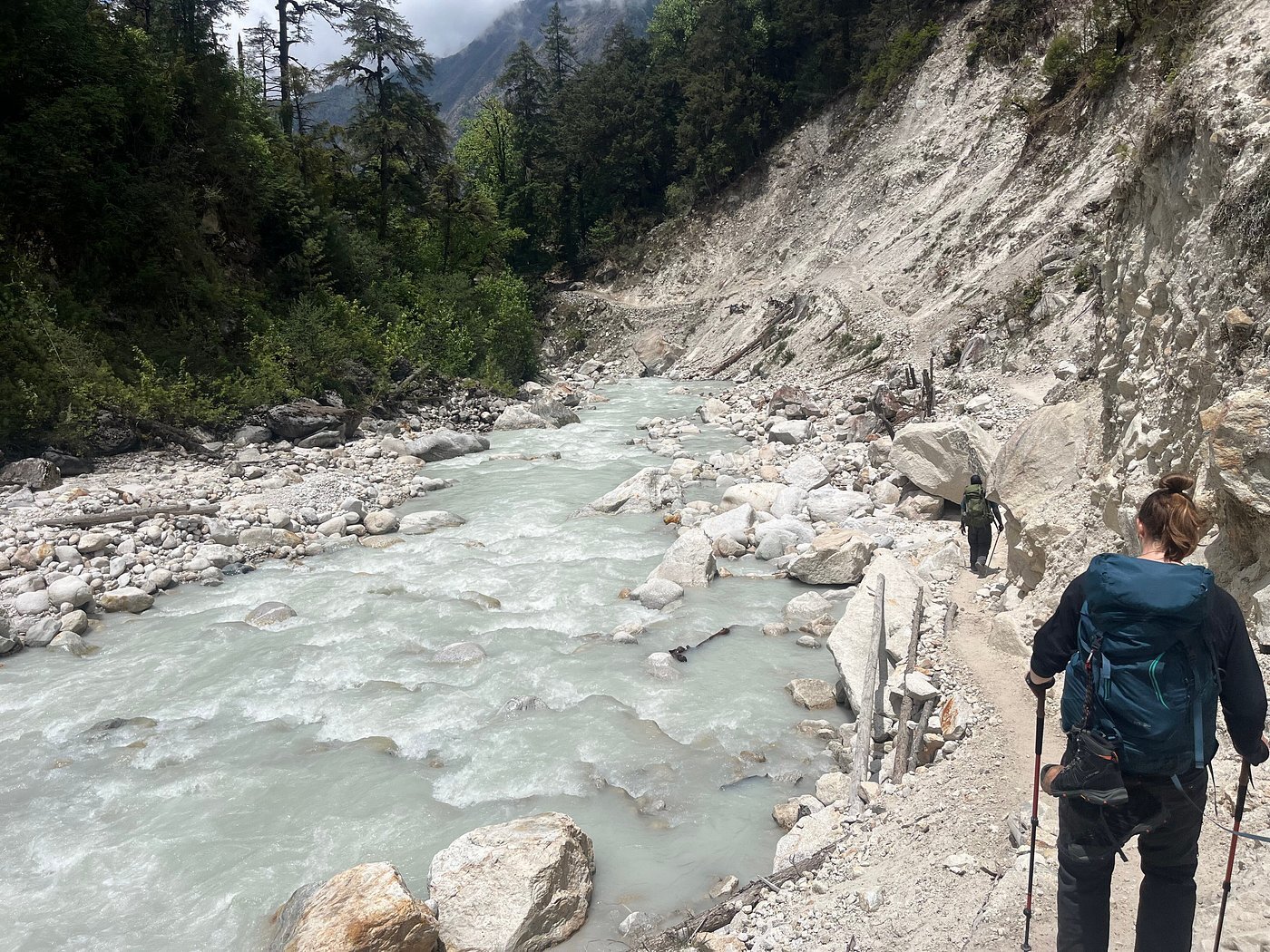
Along the way, trekkers experience a remarkable transition in landscapes and cultures. The lower sections pass through subtropical forests filled with waterfalls, cantilever bridges, and terraced fields. As the trail climbs higher, the scenery gradually changes into rugged alpine terrain where snow-covered peaks dominate the skyline and centuries-old Buddhist traditions remain deeply rooted in everyday life.
Although the Manaslu Circuit has become increasingly popular in recent years, much of its appeal lies in what it has not become. It has not evolved into a destination dominated by luxury lodges, busy cafés, or constant crowds. Instead, it remains a trek where long hours can pass with little more than the sound of rivers, prayer flags fluttering in the wind, and the distant ringing of yak bells.
This balance between improved accessibility and preserved authenticity is one of the main reasons why so many trekkers now consider Manaslu one of Nepal's finest trekking experiences.
Is Manaslu Really Getting Crowded?
The simple answer is yes, but the reality is far more nuanced than many people expect. The Manaslu Circuit is undoubtedly becoming more popular. Compared with a decade ago, significantly more trekkers now choose Manaslu over traditional routes such as Everest Base Camp or the Annapurna Circuit. Improved trekking infrastructure, easier transportation, increased international exposure, and growing interest in quieter destinations have all contributed to this steady rise in visitor numbers.
However, popularity should not be automatically conflated with overcrowding. Many trekkers hear that Manaslu is "getting crowded" and imagine scenes similar to those sometimes experienced on the Everest Base Camp trail, where dozens of trekking groups move together between villages during peak season. Others picture the busy tea houses and roadside settlements that characterize parts of the Annapurna region.
In reality, the experience on the Manaslu Circuit is very different. Even during the busiest months, most days involve long stretches of peaceful walking through forests, valleys, and mountain landscapes with relatively few encounters compared to Nepal's more established trekking routes. The trail may become lively near major villages or tea houses, but once you begin walking each morning, the crowds quickly spread out across the route. For most trekkers, Manaslu still feels remarkably remote.
The real question, therefore, isn't "Is Manaslu crowded?"
Instead, it's: "How crowded does Manaslu actually feel compared with Everest and Annapurna?"
Why More Trekkers Are Choosing Manaslu
The growing popularity of the Manaslu Circuit hasn't happened by chance. It reflects changing travel preferences among modern trekkers. Over the past decade, many experienced hikers have begun seeking destinations that offer more than famous viewpoints or bucket-list photographs. Increasingly, travelers value authenticity, cultural immersion, quieter trails, and meaningful interactions with local communities.
The Manaslu Circuit delivers exactly that. Several factors have contributed to its rising popularity.
Improved Tea House Facilities
One of the biggest changes has been the steady improvement of tea house accommodation throughout the region. Years ago, many trekkers viewed Manaslu as a challenging camping route with only very basic lodging available. Today, family-run tea houses provide comfortable rooms, warm meals, charging facilities, and increasingly reliable services throughout most of the trek.
Although the facilities remain simpler than those in Everest or Annapurna, they are now comfortable enough for the vast majority of trekkers. This improvement has made Manaslu accessible to a much wider range of visitors without sacrificing its remote atmosphere.
Social Media Has Changed Everything
Ten years ago, relatively few international trekkers had heard of the Manaslu Circuit. Today, stunning drone footage, travel documentaries, YouTube vlogs, and Instagram photography have introduced the region to a global audience.
Images of turquoise glacial lakes, dramatic mountain passes, traditional monasteries, and untouched Himalayan landscapes have inspired thousands of adventure travelers looking for destinations beyond Nepal's classic trekking routes.
Word-of-mouth recommendations have also played a significant role. Many trekkers who have completed Everest or Annapurna now describe Manaslu as one of the most rewarding experiences in the Himalayas, encouraging others to follow in their footsteps.
Trekkers Want Fewer Crowds
Perhaps the biggest reason behind Manaslu's growing popularity is surprisingly simple: People are trying to avoid crowds. Many trekkers who have visited Everest Base Camp or the Annapurna Circuit describe busy trails, full tea houses, and heavily trafficked viewpoints during peak seasons.
As a result, adventure travelers increasingly search for phrases such as:
- Less crowded treks in Nepal
- Best alternative to Everest Base Camp
- Quiet Himalayan trekking routes
- Off-the-beaten-path treks in Nepal
The Manaslu Circuit consistently appears near the top of those recommendations.
Better Road Access to the Trailhead
Transportation has also become much easier. Previously, reaching the starting point of the Manaslu Circuit involved long and often difficult journeys. Improvements to road access now allow trekkers to reach Machha Khola more efficiently, reducing travel time and making the trek more practical for visitors with limited holiday schedules. Even now (2026), the road has expanded to Jagat, and private jeeps are in operation. Importantly, while access to the trailhead has improved, the trekking route itself remains largely free from road traffic, a significant advantage over parts of the Annapurna Circuit.
How Busy Does the Trail Actually Feel?
This is where many blogs fail to provide realistic expectations. The answer depends on where and when you're trekking.
During the peak months of October and April, you will certainly meet other trekking groups throughout the day. Popular villages such as Machha Khola, Jagat, Samagaon, Samdo, and Dharmasala can become lively in the evenings as trekkers gather for dinner, share stories, and prepare for the next day's journey. Tea houses in these villages may occasionally reach full capacity, especially during October. This is one reason why trekking with an experienced local agency is beneficial, as accommodation can usually be arranged in advance. However, once you leave the villages each morning, the experience changes dramatically.
Unlike the Everest Base Camp trail, where multiple trekking groups often move together for long sections, the Manaslu Circuit naturally spreads visitors across the landscape. Groups leave at different times, walk at different speeds, and stop at different viewpoints, creating long periods where you may see only a handful of fellow trekkers. It is entirely possible to spend an hour or more hiking through forests, alongside rivers, or beneath towering cliffs without encountering another group. That feeling of space is one of Manaslu's greatest strengths. Even during the busiest trekking seasons, the mountains still feel wild.
Why Manaslu Still Feels Less Crowded Than Everest and Annapurna
If visitor numbers are increasing every year, why does the Manaslu Circuit still feel so different?
The answer lies in a combination of geography, government policy, and the region's commitment to sustainable tourism.
Restricted Area Status Naturally Limits Visitor Numbers
Unlike the Everest and Annapurna regions, the Manaslu Circuit is classified as a restricted trekking area. Foreign trekkers must obtain a Restricted Area Permit and travel through a registered trekking agency with a licensed guide. These regulations were introduced not only to manage tourism but also to protect the region's unique cultural heritage, fragile mountain ecosystems, and communities located near the Tibetan border.
While some travelers initially see these requirements as an inconvenience, they have played a significant role in preventing the uncontrolled tourism growth seen elsewhere in Nepal. The result is a trekking experience that remains peaceful while supporting responsible tourism.
Mandatory Licensed Guides Improve the Experience
Since independent trekking is not permitted in the Manaslu region, every international visitor is accompanied by a licensed guide. Beyond ensuring safety and navigation, guides contribute to a more organized trekking environment. They coordinate accommodation, help avoid overcrowding at tea houses, and share valuable insights into local history, culture, and Buddhist traditions.
For many trekkers, having a knowledgeable local guide transforms the journey from a scenic hike into a deeper cultural experience.
Limited Road Development Preserves the Trail
Road construction has significantly altered parts of the Annapurna Circuit over the past two decades. The Manaslu Circuit has largely avoided this transformation.
Although road access to the trailhead has improved, the trekking route itself remains predominantly a network of footpaths winding through forests, valleys, and high mountain terrain. Without constant vehicle traffic, trekkers enjoy uninterrupted hiking and a stronger connection with the surrounding landscape.
A Strong Focus on Sustainable Tourism
The Manaslu region is not trying to become Nepal's busiest trekking destination. Instead, tourism development has focused on improving visitor comfort while preserving the area's natural and cultural heritage.
Tea houses have gradually upgraded their facilities, but large-scale commercial development remains limited. Family-run lodges continue to dominate the trail, helping maintain the welcoming atmosphere that makes the Manaslu Circuit so memorable. Rather than competing with Everest or Annapurna in terms of visitor numbers, Manaslu has built its reputation on authenticity, sustainability, and a slower pace of travel.
What This Means for Trekkers
For most visitors, the growing popularity of the Manaslu Circuit is actually good news. Better accommodation, improved logistics, experienced local guides, and more reliable services have made the trek more comfortable than ever before.
At the same time, permit regulations and responsible tourism policies have ensured that these improvements have not come at the cost of overcrowded trails or excessive commercialization. In other words, Manaslu has reached a rare balance: it is easier to trek than it was a decade ago, yet it still offers the sense of remoteness and authenticity that many travelers feel is becoming harder to find elsewhere in the Himalayas.
Manaslu vs Annapurna: Which Trek Offers the Better Experience Today?
For many years, the Annapurna Circuit Trek was regarded as Nepal's ultimate trekking adventure. Its remarkable diversity of landscapes, rich cultural heritage, and spectacular mountain scenery attracted trekkers from around the world.
Today, however, many travelers find themselves asking a new question:
Should I choose the Annapurna Circuit or the Manaslu Circuit?
The answer depends on the type of experience you're looking for. The Annapurna region remains one of Nepal's finest trekking destinations, offering excellent infrastructure, easy accessibility, and a wide variety of trekking routes suitable for beginners and experienced hikers alike. However, decades of tourism development and road construction have changed parts of the traditional circuit, making some sections feel more developed than they once were.
The Manaslu Circuit, by contrast, still delivers a stronger sense of remoteness. Its restricted-area status, fewer visitors, and limited road access allow trekkers to experience the Himalayas in a more natural and traditional setting. Neither trek is objectively better, but they offer very different experiences.
Crowd Levels
This is often the deciding factor for many trekkers. The Annapurna region welcomes a much larger number of visitors every year. Popular trails such as Annapurna Base Camp, Mardi Himal,Poon Hill, and sections of the Annapurna Circuit can become particularly busy during October and April. Tea houses often reach full occupancy, and it's common to meet dozens of trekking groups throughout the day.
The Manaslu Circuit also becomes busier during peak seasons, but the experience remains noticeably quieter. Even on the busiest days, long stretches of trail pass through forests, valleys, and alpine landscapes where you'll encounter relatively few people. If avoiding crowds is one of your top priorities, Manaslu has a clear advantage.
Road Access and Trail Experience
One of the biggest differences between these two treks is how connected they are to modern infrastructure. Road construction has reached several sections of the Annapurna Circuit, allowing vehicles to access villages that once required days of walking. While this has improved transportation for local communities, it has also altered parts of the traditional trekking experience.
The Manaslu Circuit remains largely road-free once you begin trekking. Days are spent walking through forests, crossing suspension bridges, climbing ancient stone staircases, and following mountain trails carved into steep hillsides. For many experienced trekkers, this uninterrupted walking is one of Manaslu's greatest strengths.
Cultural Experience
Both regions offer fascinating cultural encounters, but they differ considerably. The Annapurna region is home to a rich mix of Gurung, Magar, Thakali, and Manangi communities. Visitors experience diverse traditions, architecture, festivals, and local cuisines throughout the trek.
The Manaslu region, particularly above Namrung, has a much stronger Tibetan Buddhist influence. Ancient monasteries, prayer wheels, mani walls, chortens, and centuries-old spiritual traditions are woven into everyday village life. Many trekkers feel that these cultural experiences are more intimate because tourism remains relatively limited. If cultural immersion is important to you, Manaslu often feels more authentic and less commercialized.
Mountain Scenery
Both treks showcase extraordinary Himalayan landscapes. The Annapurna Circuit offers exceptional variety, from lush subtropical valleys to the dramatic crossing of Thorong La Pass, with panoramic views of Annapurna, Dhaulagiri, Machhapuchhre, and numerous surrounding peaks.
The Manaslu Circuit provides equally dramatic scenery but with a stronger feeling of wilderness. Towering views of Mount Manaslu dominate much of the route, while glaciers, alpine valleys, turquoise lakes, and the spectacular crossing of Larkya La Pass create unforgettable mountain panoramas. Choosing between them often comes down to personal preference rather than scenery alone.
Accommodation and Comfort
The Annapurna region has one of the most developed tea house networks in Nepal. Trekkers enjoy a wide range of accommodation, including comfortable lodges with private rooms, hot showers, Wi-Fi, cafés, and diverse menus.
Tea houses in Manaslu have improved significantly over the past decade, but they remain simpler. Rooms are generally clean and comfortable, meals are freshly prepared, and the hospitality is exceptional. However, luxury facilities are limited. Many trekkers actually see this simplicity as part of Manaslu's appeal, helping preserve the authentic mountain atmosphere.
Which Trek Should You Choose?
Choose Annapurna if you:
- Prefer easier logistics and transportation.
- Want a wide choice of trekking routes.
- Appreciate comfortable accommodation and modern facilities.
- Are trekking in Nepal for the first time.
- Enjoy social trekking environments.
Choose Manaslu if you:
- Want fewer crowds.
- Prefer remote mountain landscapes.
- Enjoy cultural immersion.
- Appreciate traditional Himalayan villages.
- Are looking for a more adventurous and less commercialized trekking experience.
Manaslu vs Everest: Which Trek Is Right for You?
Choosing between the Manaslu Circuit Trek and the Everest Base Camp Trek is one of the most common decisions trekkers face when planning a Himalayan adventure. Both are world-class treks. Both offer breathtaking scenery, unforgettable cultural experiences, and the opportunity to explore some of the highest mountain landscapes on Earth. Yet the experiences they provide are surprisingly different.
The Everest Dream
For many travelers, trekking to the foot of the world's highest mountain is a lifelong ambition. The Everest Base Camp Trek follows one of the most iconic trekking routes on the planet. From the dramatic flight to Lukla to the bustling streets of Namche Bazaar and the unforgettable sunrise from Kala Patthar, every stage of the journey carries a sense of history and achievement. If standing beneath Mount Everest has always been your dream, no alternative trek can truly replace that experience.
The Manaslu Experience
The Manaslu Circuit offers something different. Rather than focusing on one famous destination, it emphasizes the journey itself.
Every day introduces new landscapes, traditional villages, suspension bridges, monasteries, forests, glaciers, and mountain passes. The trek feels less like visiting a famous attraction and more like exploring a remote Himalayan region where nature and local culture remain closely connected. For travelers seeking discovery rather than popularity, Manaslu often provides a richer overall experience.
Crowds
This is perhaps the most obvious difference. The Everest Base Camp trail is one of the busiest trekking routes in the Himalayas. During October and April, hundreds of trekkers may travel the route each day.
In contrast, the Manaslu Circuit remains relatively peaceful, even during peak seasons. If enjoying quiet trails and uninterrupted mountain scenery matters to you, Manaslu offers a very different atmosphere.
Infrastructure
Everest has Nepal's most developed trekking infrastructure. Tea houses offer comfortable accommodation, bakeries, cafés, coffee shops, internet access, charging stations, gear stores, and even helicopter evacuation services.
Manaslu provides comfortable but simpler facilities. The emphasis is less on convenience and more on experiencing life in remote mountain communities.
Which Trek Leaves the Stronger Impression?
This is, of course, subjective. If your dream is to see Mount Everest, there is only one answer.
However, many experienced trekkers who have completed both routes often describe the Manaslu Circuit as the more immersive trekking experience. The combination of quieter trails, deeper cultural encounters, and spectacular wilderness leaves a lasting impression long after the trek ends. Rather than competing with Everest, Manaslu offers an entirely different perspective on the Himalayas.
Who Should Choose the Manaslu Circuit?
The Manaslu Circuit isn't simply an alternative to Everest or Annapurna; it appeals to a particular type of traveler.
You'll likely enjoy the Manaslu Circuit if you:
- Want to avoid Nepal's busiest trekking trails.
- Appreciate authentic cultural experiences.
- Enjoy trekking through remote mountain landscapes.
- Prefer traditional villages over commercial trekking hubs.
- Are comfortable with longer walking days and higher elevations.
- Value meaningful travel experiences rather than checking off famous destinations.
- Want a trek that balances adventure with cultural discovery.
On the other hand, another trekking region may suit you better if you:
- Prefer luxury lodges and premium amenities.
- Want maximum flexibility without permit restrictions.
- Have very limited time and need the easiest logistics.
- Prefer highly developed trekking infrastructure.
- Specifically, dream of reaching Everest Base Camp.
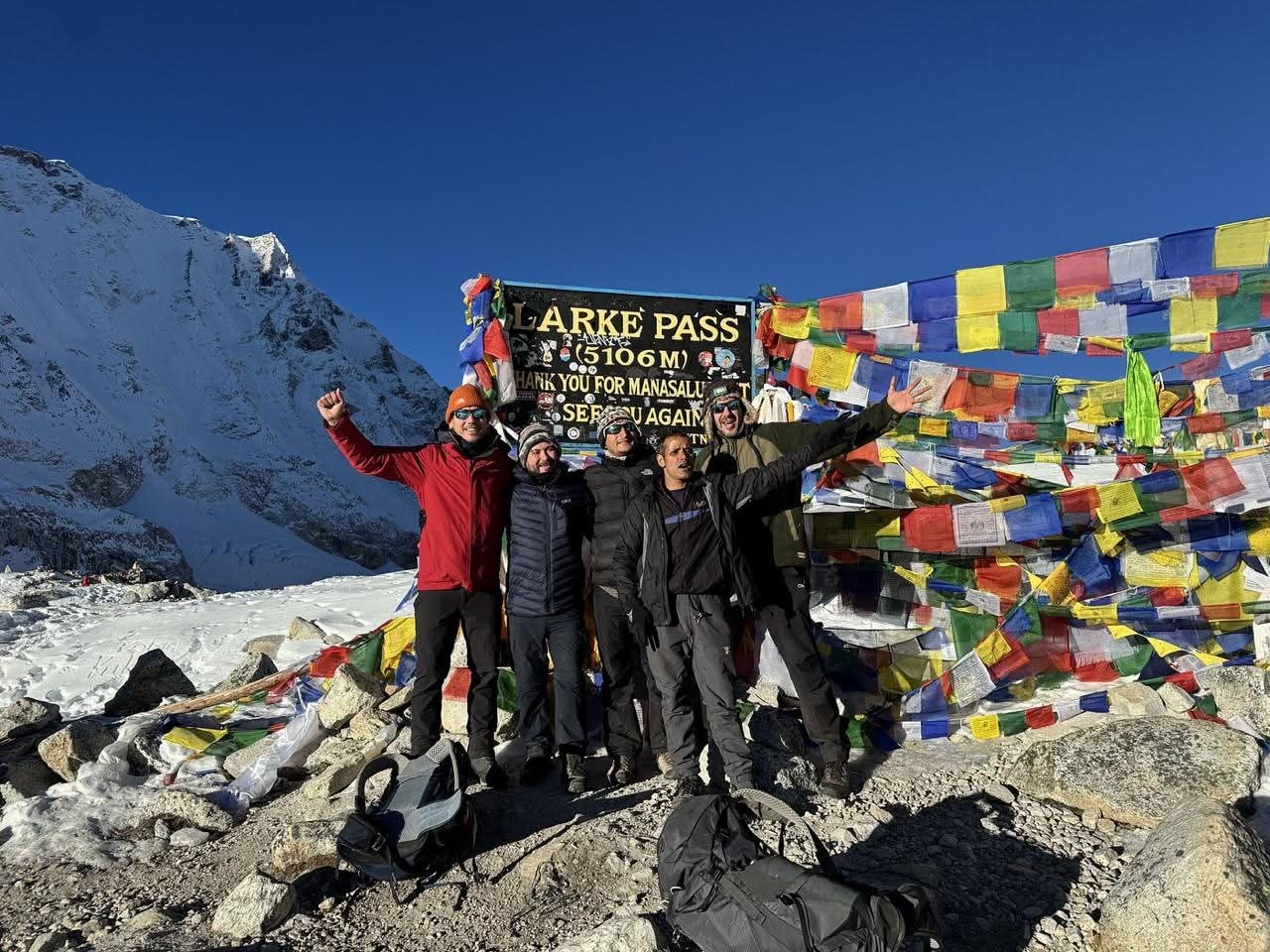
The best trek isn't necessarily the most famous one; it's the one that matches your interests, expectations, and travel style. For many trekkers today, that journey is increasingly becoming the Manaslu Circuit.
Will Manaslu Become the Next Annapurna?
As the Manaslu Circuit gains international recognition, one question comes up repeatedly among trekkers:
Will Manaslu eventually become as crowded as Annapurna or Everest?
The short answer is probably not, at least not in the foreseeable future. There is no doubt that Manaslu is becoming more popular. Every year, more trekkers choose the circuit because of its spectacular scenery, authentic mountain culture, and reputation as one of Nepal's best alternatives to the country's busiest trekking routes. Improved teahouses, better transportation to the trailhead, and growing exposure through travel blogs, YouTube, and social media have all contributed to this rise in popularity.
However, popularity does not necessarily lead to overcrowding. Several factors continue to protect the Manaslu Circuit from experiencing the same level of tourism seen in the Everest and Annapurna regions.
Restricted Area Regulations Help Control Tourism
One of the biggest reasons the Manaslu Circuit remains relatively uncrowded is its status as a restricted trekking area. Unlike many trekking routes in Nepal, visitors must obtain a Restricted Area Permit and trek with a licensed guide arranged through a registered trekking agency. These regulations were introduced to protect the region's fragile environment, preserve its unique Tibetan-influenced culture, and manage tourism responsibly.
While these requirements involve additional planning, they naturally limit the number of visitors entering the region at any given time. As a result, the trail has avoided the rapid tourism growth experienced elsewhere in Nepal.
Infrastructure Is Improving, But Carefully
Over the last decade, facilities along the Manaslu Circuit have improved considerably. Today, trekkers can expect comfortable family-run teahouses, reliable meals, better sanitation, charging facilities in many villages, and improved transportation to the starting point of the trek. These improvements have made the circuit more accessible without fundamentally changing its character. Unlike some trekking regions where rapid development has transformed the landscape, infrastructure growth in Manaslu has remained gradual and community-focused. Local families continue to operate most lodges, preserving the region's welcoming atmosphere and cultural identity.
Sustainable Tourism Is Becoming a Priority
Tourism in Nepal is increasingly focused on sustainability rather than simply increasing visitor numbers. The Manaslu region has benefited from this approach. Conservation efforts, responsible trekking practices, and community-based tourism initiatives help ensure that economic benefits reach local villages while minimizing environmental impact. This emphasis on quality tourism rather than mass tourism is likely to shape the future of the region. Instead of becoming another heavily commercialized trekking destination, Manaslu is positioning itself as a model for responsible Himalayan travel.
The Future of the Manaslu Circuit
Visitor numbers are expected to continue growing over the coming years. As more trekkers look beyond Everest and Annapurna, the Manaslu Circuit will naturally attract greater attention. Improved international marketing, positive traveler reviews, and increasing interest in off-the-beaten-path adventures will all contribute to its popularity.
Even so, the combination of restricted permits, mandatory guides, and responsible tourism policies means the trekking experience is likely to remain far quieter than Nepal's most famous trails. In many ways, Manaslu represents the future of Himalayan trekking, not because it aims to become the busiest destination, but because it offers a balance between accessibility, conservation, and authentic cultural experiences.
Signs That Manaslu Is Becoming More Popular
Although the Manaslu Circuit still feels remarkably peaceful, there are clear signs that its popularity is growing. Recognizing these trends helps explain why more trekkers are now choosing Manaslu while also showing how the region continues to evolve.
More Comfortable Teahouses
One of the most noticeable changes is the improvement in accommodation. Many teahouses have upgraded their rooms, dining areas, and facilities while maintaining the warm hospitality for which the region is known. Visitors now enjoy greater comfort without sacrificing the authentic character of the trek.
Easier Access to the Trailhead
Road improvements have significantly reduced travel time to Machha Khola and even to Jagat now, making the trek easier to reach than it was a decade ago. Although the trekking trail itself remains largely road-free, improved transportation has made the Manaslu Circuit more accessible to international visitors.
Growing International Recognition
The Manaslu Circuit is no longer Nepal's best-kept secret. Travel documentaries, trekking blogs, YouTube channels, and social media have introduced the region to a global audience. Stunning photographs of Larkya La Pass, Birendra Lake, and Mount Manaslu have inspired a growing number of trekkers to explore this remarkable region. Positive reviews from previous visitors have further strengthened Manaslu's reputation as one of Nepal's finest trekking experiences.
More Experienced Trekkers Are Returning
A growing number of visitors to Manaslu have already completed Everest Base Camp or the Annapurna Circuit. Rather than repeating the same trek, they are looking for a different kind of Himalayan adventure, one that offers quieter trails, deeper cultural experiences, and a stronger connection with nature. This trend has played a major role in Manaslu's increasing popularity.
Best Time to Trek Manaslu if You Want to Avoid Crowds
Choosing the right season can significantly influence your experience on the Manaslu Circuit. Although the trail never reaches the visitor numbers seen in Everest or Annapurna, some months are noticeably quieter than others.
| March | Moderate | Stable, cool | Early spring trekking |
| April | Busy | Excellent | Rhododendrons and clear mountain views |
| May | Moderate | Warmer | Fewer crowds before monsoon |
| June–August | Very Low | Wet at lower elevations | Experienced trekkers seeking solitude |
| September | Moderate | Fresh landscapes | Start of autumn season |
| October | Highest | Outstanding | Best weather and mountain views |
| November | Moderate | Clear skies, cooler temperatures | Excellent balance of weather and fewer crowds |
| December–February | Low | Cold, snowy at higher elevations | Experienced winter trekkers |
Spring (March to May)
Spring offers mild temperatures, blooming rhododendron forests, and excellent mountain visibility. April is typically the busiest month of the season, while March and May are often slightly quieter.
Autumn (September to November)
Autumn is widely considered the best trekking season in Nepal. October attracts the largest number of visitors due to its exceptionally stable weather, but even then, the Manaslu Circuit remains considerably less crowded than Everest Base Camp or the Annapurna Circuit.
Winter (December to February)
Winter provides peaceful trails and stunning snow-covered landscapes. While temperatures are much colder and Larkya La Pass may occasionally close due to heavy snowfall, experienced trekkers are rewarded with exceptional solitude.
Monsoon (June to August)
Although frequent rain affects the lower sections of the trail, the higher valleys near Larkya La receive comparatively less rainfall because they lie in a partial rain shadow. The trails are extremely quiet during this season, making it an attractive option for experienced trekkers who don't mind occasional rain and changing trail conditions.
Is Now (2026) the Best Time to Trek the Manaslu Circuit?
If you've been considering the Manaslu Circuit, there's a strong argument that now is one of the best times to experience it. The region has reached an ideal stage in its development.
Accommodation is more comfortable than ever before. Transportation to the trailhead has improved, making logistics easier. Local guides have extensive experience, and teahouses offer reliable services throughout the route. At the same time, the characteristics that make Manaslu special remain intact. The villages still preserve their traditional Himalayan identity. The trails continue to feel remote and uncrowded. Ancient monasteries remain active places of worship, and the journey retains the spirit of adventure that first attracted trekkers to the region.
As tourism continues to grow, Manaslu will undoubtedly welcome more visitors. Yet thanks to responsible tourism policies and restricted-area regulations, it is likely to remain one of Nepal's most authentic trekking destinations for many years to come. For travelers seeking spectacular Himalayan scenery, rich cultural encounters, and a quieter alternative to Nepal's busiest trekking routes, there has rarely been a better time to explore the Manaslu Circuit.
Final Thoughts
The Manaslu Circuit is no longer Nepal's hidden secret, but it is far from becoming another Everest or Annapurna. Yes, visitor numbers have increased. Better infrastructure, improved accessibility, and growing international recognition have introduced the trek to a much wider audience. During the busiest weeks of spring and autumn, popular villages and teahouses can become lively, reflecting the region's growing appeal.
Yet the essence of the Manaslu experience remains unchanged. Long stretches of peaceful trails, dramatic Himalayan scenery, centuries-old Tibetan Buddhist culture, welcoming local communities, and the unforgettable crossing of Larkya La Pass continue to define this remarkable journey.
If your dream trek involves quiet mornings beneath snow-covered peaks, meaningful cultural encounters, and the feeling of discovering a part of Nepal that still retains its wild character, the Manaslu Circuit remains one of the finest choices in the Himalayas. Rather than asking whether Manaslu is becoming crowded, perhaps the better question is:
How long will it continue to offer this rare balance of accessibility, authenticity, and solitude?
For now, the answer is reassuring. The Manaslu Circuit is growing, but it is still one of Nepal's most rewarding and peaceful trekking experiences.
Frequently Asked Questions About Manaslu Trek Crowds
Is the Manaslu Circuit Trek getting crowded?
The Manaslu Circuit has become increasingly popular in recent years, but it is still much less crowded than the Everest Base Camp and Annapurna Circuit treks. Even during peak seasons, the trails remain relatively peaceful and offer a more remote trekking experience.
Is Manaslu less crowded than Everest Base Camp?
Absolutely. The Everest Base Camp Trek is one of the busiest trekking routes in the Himalayas, attracting thousands of trekkers every year. During peak seasons, popular sections of the trail can become very busy, and teahouses often reach full capacity.
In comparison, the Manaslu Circuit receives significantly fewer visitors. Although you will meet other trekking groups, long stretches of the trail remain peaceful, allowing you to enjoy the mountains without constant crowds.
Is the Manaslu Circuit less crowded than the Annapurna Circuit?
Yes. While both treks are among Nepal's premier trekking routes, the Annapurna region welcomes many more visitors due to its accessibility, extensive trekking options, and well-developed infrastructure.
The Manaslu Circuit remains quieter because it is a restricted trekking area with mandatory guide requirements and special permit regulations that naturally limit visitor numbers.
Why is the Manaslu Circuit becoming more popular?
The trek's growing popularity is driven by its spectacular mountain scenery, authentic Tibetan-influenced culture, improved teahouse facilities, and reputation as a quieter alternative to Nepal's more commercialized trekking routes.
When is the Manaslu Circuit busiest?
The busiest trekking seasons are spring (March to May) and autumn (September to November), April and October in particular. Even then, the trails are generally much quieter than the Everest Base Camp and Annapurna Base Camp routes.
Which parts of the Manaslu Circuit are busiest?
Most trekkers notice higher concentrations of visitors in first two days: Machha Khola and Jagat as the trekkers heading to Tsum Valley Trek also shares the same route. Other than these, you can experience crowds at Samagaon, Samdo, Dharmasala (Larkya Phedi), and Larkya La Pass on crossing day.
These are natural gathering points because nearly every trekking itinerary follows a similar schedule.
Are the teahouses crowded during peak season?
Most teahouses have enough capacity throughout the trekking season. However, during October and April, accommodation in popular villages can fill quickly. Booking your trek through an experienced trekking agency in advance helps ensure that accommodation is arranged in advance, reducing the risk of limited availability.
Will Manaslu become as crowded as Annapurna?
While visitor numbers are expected to continue growing, it is unlikely that the Manaslu Circuit will become as crowded as the Annapurna Circuit in the near future. Restricted area permit requirements, mandatory licensed guides, and controlled visitor numbers help preserve its remote and authentic character.
Is the Manaslu Circuit suitable for beginners?
The Manaslu Circuit is physically demanding due to its length, altitude, and the crossing of Larkya La Pass (5,106 m). While first-time trekkers with excellent fitness and proper preparation can successfully complete the trek, it is generally better suited to hikers with previous multi-day trekking experience.
Do I need a guide for the Manaslu Circuit?
Yes. The Manaslu Circuit is a restricted trekking area, and foreign trekkers must be accompanied by a licensed guide. Trekkers must also obtain the required permits through a registered trekking agency.
What is the best month to avoid crowds on the Manaslu Circuit?
If you want pleasant weather while avoiding the busiest weeks, consider trekking during: March, Early May, September, November. These periods often provide an excellent balance between favorable weather and fewer visitors.
Is the Manaslu Circuit worth trekking before it becomes more popular?
Definitely. The Manaslu Circuit currently offers a rare combination of spectacular Himalayan scenery, authentic Tibetan-influenced culture, comfortable teahouses, and relatively quiet trails.
As the trek continues to gain international recognition, now is an excellent time to experience one of Nepal's most rewarding long-distance treks while it still retains much of its original character.
Which trek is better: Manaslu, Everest, or Annapurna?
There is no single "best" trek, only the one that best matches your travel style.
- Choose Everest if seeing the world's highest mountain is your lifelong dream.
- Choose Annapurna if you want diverse landscapes, flexible itineraries, and excellent infrastructure.
- Choose Manaslu if you prefer quieter trails, authentic cultural experiences, and a more remote Himalayan adventure.
Each region offers unforgettable experiences, but the atmosphere and style of trekking differ significantly.
Is the Manaslu Circuit still one of Nepal's best-kept trekking secrets?
Not anymore, but that's not a bad thing. The Manaslu Circuit has gained well-deserved recognition as one of Nepal's finest trekking routes. While it is no longer an undiscovered destination, it remains far less crowded and commercialized than Everest or Annapurna.
For many trekkers, it represents the perfect balance between adventure, comfort, cultural immersion, and wilderness.