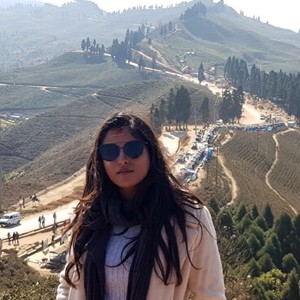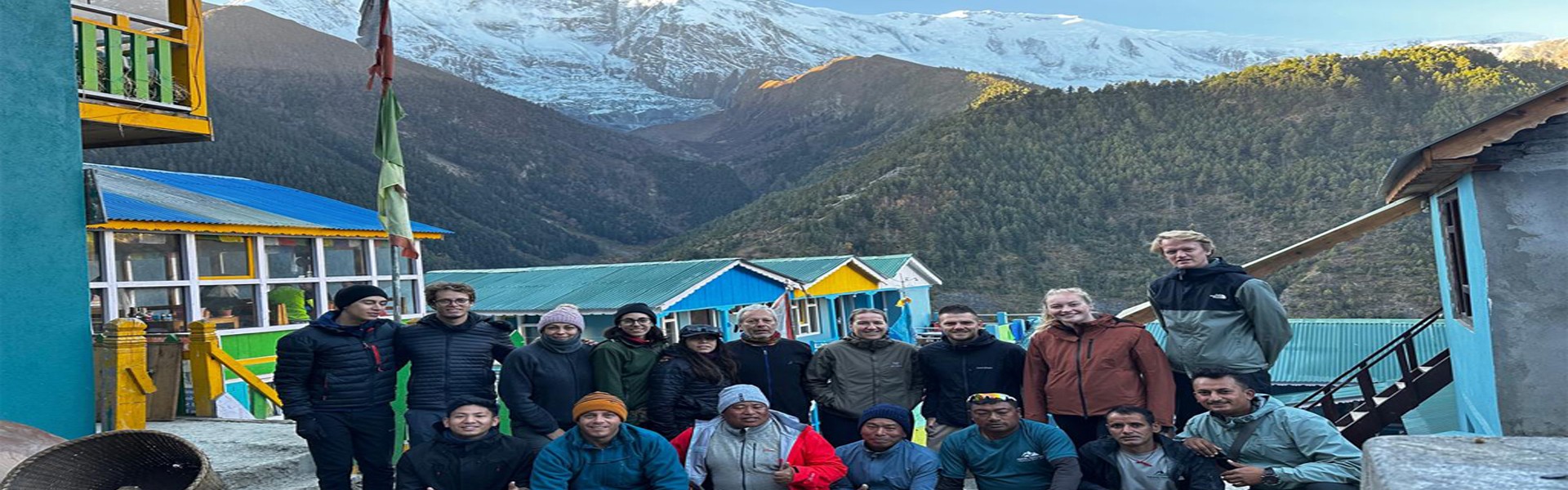
September is a rewarding time to trek in Nepal, marking the transition from monsoon to autumn. With lush green landscapes, fewer crowds, improving mountain views, and rich cultural festivals, trekking in Nepal in September 2026 offers a balanced mix of adventure, scenery, and comfort before the peak season begins. In this blog, we’ll dive deep into everything you need to know, from weather and trekking routes to advantages, disadvantages, comparisons with other seasons, and why September is a compelling time to visit Nepal.
Nepal Trekking in September 2026: Tips, Routes & Highlights
Table of Contents
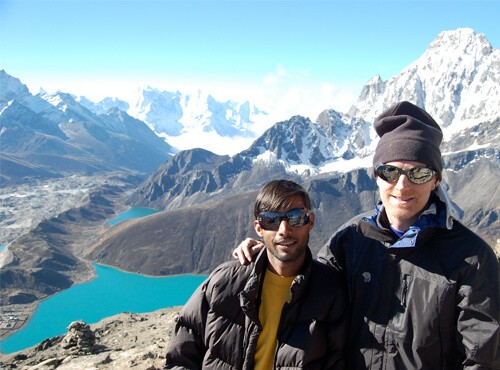
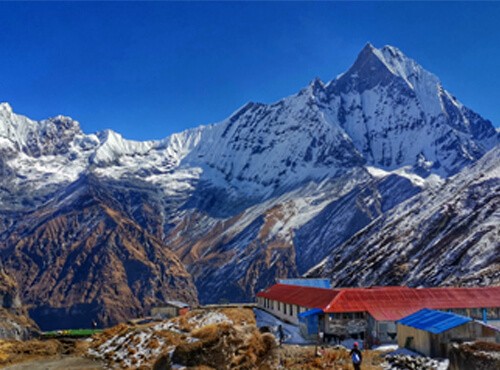
Trekking in Nepal in September 2026: The Ultimate Guide for Adventurers
Nepal, the land of Himalayan giants, is a dream destination for trekkers around the world, and September 2026 is shaping up to be an exceptional time to lace up your boots and hit the trails. This month marks the transition from monsoon to autumn, bringing in stunning natural beauty, vibrant culture, and refreshing trails perfect for every level of trekker.
Why September for Trekking in Nepal?
September sits at a unique crossroads in Nepal’s trekking calendar. It is the bridge between the wet monsoon season and the clear autumn months. This means you’ll witness lush landscapes, flowing waterfalls, and nature at its freshest, as the weather begins to stabilize, especially as the month progresses.
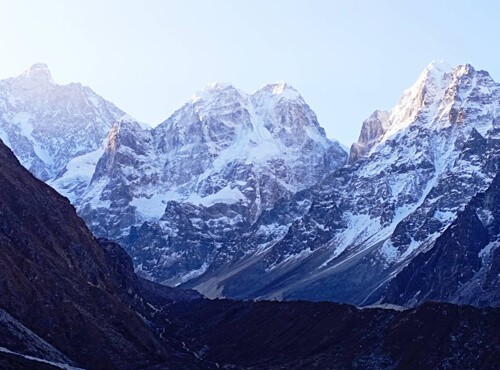
Though early September can still bring rain and damp trails, by mid- to late-September, skies clear up beautifully, the air becomes crisp, and the stunning Himalayan panoramas begin to emerge.
Trekking in Nepal in September – Key Highlights
- Transition from Monsoon to Autumn: September marks the shift from the rainy monsoon season to Nepal’s most popular autumn trekking period, offering improved weather and trail conditions as the month progresses.
- Lush Green Landscapes: Hills, valleys, and forests are at their greenest after the monsoon rains, creating incredibly scenic trails with fresh vegetation and vibrant rice terraces.
- Flowing Rivers and Waterfalls: Rivers, streams, and waterfalls are full and dramatic in September, adding a unique beauty to trekking routes, especially in the Annapurna and Langtang regions.
- Fewer Crowds on the Trails: Compared to October and November, September sees fewer trekkers, resulting in a quieter and more peaceful trekking experience.
- Comfortable Trekking Temperatures: Daytime temperatures are generally mild at lower and mid-altitudes, while nights are cool but not extreme, making trekking physically comfortable.
- Improving Mountain Views: While early September may still be cloudy, mid to late September often brings clearer skies and rewarding views of major Himalayan peaks.
- Cultural Festivals and Local Life: Festivals like Teej and Indra Jatra take place during September, giving trekkers the chance to experience Nepal’s culture alongside their adventure.
- Better Availability of Accommodation: Teahouses and lodges are less crowded than in peak season, offering more flexibility in daily plans and a relaxed stay along the trails.
- Ideal Time for Experienced and Flexible Trekkers: For trekkers who enjoy quieter trails, fresh landscapes, and can adapt to changing weather, September offers a rewarding and unique Himalayan experience.
Who Should Trek in Nepal in September?
September is an excellent month for trekking in Nepal, offering a unique mix of adventure, natural beauty, and fewer crowds. First-time trekkers can enjoy well-maintained trails, lush post-monsoon landscapes, and a more relaxed pace, making it an ideal introduction to the Himalayas. Experienced trekkers looking for quieter routes will find popular regions like Everest, Annapurna, and Langtang more peaceful, with fresh greenery and stunning mountain vistas emerging as skies begin to clear. Nature lovers and photographers will be captivated by vibrant forests, cascading waterfalls, and soft, clear light that brings Nepal’s breathtaking scenery to life. September also suits flexible and adventure-oriented travelers who embrace occasional rain or changing trail conditions, rewarding them with less-visited paths and a more authentic Himalayan experience. Whether you are new to trekking or a seasoned hiker, September provides a perfect balance of adventure, beauty, and tranquility, making it one of the best times to explore Nepal’s iconic trails.
What the Weather Is Like in September
September in Nepal is a transitional month, moving from the monsoon season toward the clear and stable autumn trekking period. Weather conditions gradually improve as the month progresses, making it an increasingly favorable time for trekking.
- Early September (Monsoon Influence): The first half of September may still experience occasional rainfall, particularly in lower elevations and hill regions. Trails can be wet or muddy, and cloud cover may limit mountain views at times.
- Mid to Late September (Clearer & More Stable): Rainfall decreases significantly toward the middle and end of the month. Skies begin to clear, visibility improves, and the chances of enjoying panoramic Himalayan views increase.
- Temperature Range: Daytime temperatures are generally warm and pleasant, especially at lower and mid-altitudes. At higher elevations, days are cool and comfortable for trekking, while nights become noticeably cooler but remain manageable with proper layering.
- Snowfall: Snowfall is uncommon in September, even at higher elevations, keeping high passes and popular trekking routes mostly accessible.
- Wind Conditions: Winds are usually light to moderate, particularly in the mornings, contributing to good trekking conditions during most of the day.
Major Festivals in Nepal in September
- Teej: Teej is one of the most important festivals for Nepali women, dedicated to marital happiness, family well-being, and purification. Women dressed in red gather at temples, sing traditional songs, dance, and observe fasting rituals, creating a vibrant cultural atmosphere across Nepal.
- Indra Jatra: Celebrated mainly in Kathmandu, Indra Jatra honors Indra, the god of rain and harvest. The festival features masked dances, chariot processions, and the public appearance of the Living Goddess Kumari, offering a fascinating glimpse into Newar traditions.
- Gai Jatra: Gai Jatra commemorates loved ones who passed away during the previous year. Families take part in colorful processions, and the festival uniquely blends remembrance with humor, satire, and street performances, especially in Kathmandu Valley.
- Rishi Panchami: Observed shortly after Teej, Rishi Panchami is a ritual purification day where women honor ancient sages and symbolically cleanse themselves, reflecting Nepal’s deep-rooted Hindu traditions.
These festivals make September a culturally rewarding time to trek in Nepal, allowing visitors to experience both Himalayan landscapes and authentic local traditions.
Top Treks to Do in September 2026
September offers a wide variety of trekking options in Nepal, from classic Himalayan routes to quieter valleys and rain-shadow regions. As the monsoon begins to retreat, these trails stand out for their scenery, accessibility, and overall experience.
1. Everest Base Camp Trek
Highlights
- World-famous trail to the base of Mount Everest (8,848.86 m)
- Spectacular views of Everest, Lhotse, Nuptse, Ama Dablam, and Thamserku
- Immersion in Sherpa culture and visits to iconic monasteries like Tengboche
- Well-established teahouse trekking with strong infrastructure
- September offers greener valleys and fewer trekkers than peak autumn
Typical Itinerary:
Day 1: Flight from Kathmandu/Manthali to Lukla (2840m.|9316ft.), trek to Phakding (2610m.|8563ft.)
Day 2: Trek to Namche Bazaar (3440m.|11286ft.)
Day 3: Acclimatization day: Hike to Everest View Hotel/Syanboche Airport
Day 4: Trek to Phortse Village (3950m.|12929ft.)
Day 5: Trek to Dingboche (4410m.|14469ft)
Day 6: Acclimatization day: Hike to Nangkartshang Peak
Day 7: Trek to Lobuche (4910m.|16109ft.)
Day 8: Trek to Gorakshep, Hike to Everest base camp (5364m.|17593ft.), back to Gorakshep
Day 9: Sunrise view from Kala Patthar, then Trek to Pheriche (4240m.|13911ft.)
Day 10: Trek to Namche Bazaar (3440m.|11286ft.)
Day 11: Trek to Lukla (2840m.|9318ft.)
Day 12: Fly from Lukla to Manthali/Kathmandu (1400m.|4593ft.)
2. Annapurna Circuit Trek
Highlights
- One of the most diverse treks in the world
- Landscapes range from subtropical valleys to high alpine deserts
- Crossing Thorong La Pass (5,416 m)
- Cultural contrast between Manang and Mustang regions
- September offers lush scenery and quieter trails
Typical Itinerary
Day 1: Local Bus Drive from Kathmandu/Pokhara to Besisahar and Sharing Jeep to Dharapani (1860m.|6200ft.)
Day 2: Trek from Dharapani to Chame (2610m.|8890ft.)
Day 3: Trek from Chame to Upper Pisang (3300m.|10824ft.)
Day 4: Trek from Pisang to Manang via Ngawal (3540m.|11612ft.)
Day 5: Manang: Acclimatization Day, Hike to Gangapurna Lake/Ice Lake
Day 6: Trek from Manang to Yak Kharka (4060m.|13320ft.)
Day 7: Trek from Yak Kharka to Phedi (4525m.|14842ft.)
Day 8: Trek from Phedi to Muktinath via Thorong La Pass (5416m.|17769ft.)
Day 9: Regular Bus or Local Jeep Drive to Pokhara (800m.|2625ft.)
3. Annapurna Base Camp (ABC) Trek
Highlights
- Dramatic mountain amphitheater surrounded by Annapurna I, Machapuchare, Hiunchuli
- Beautiful rhododendron forests and terraced farmland
- Natural hot springs at Jhinu Danda
- Moderate altitude and ideal for September trekking
- Excellent mix of scenery, culture, and comfort
Typical Itinerary
Day 1: Drive to Samrung, trek to Sinuwa (2340m.|7677 ft.)
Day 2: Sinuwa to Deurali (3200m.|10499ft.)
Day 3: Trek from Deurali to Annapurna Base Camp (4130m.|13545ft.) via Machhapuchhre Base Camp (3700m.|12135ft.)
Day 4: Trek from Annapurna Base Camp to Sinuwa (2340m.|7677ft.)
Day 5: Trek to Samrung and Drive to Pokhara (822m.|2696ft.)
4. Langtang Valley Trek
Highlights
- Close to Kathmandu with easy access
- Stunning Langtang Lirung mountain views
- Traditional Tamang villages and monasteries
- Lush forests are refreshed after the monsoon
- Less crowded than Everest and Annapurna
Typical Itinerary
Day 1: Kathmandu to Syabrubesi Deluxe bus (1460m.|4790ft.)
Day 2: Syabrubesi to Sherpa Gaon (2563m.|8406ft.)
Day 3: Sherpa Gaon to Langtang Village (3140m.|10299ft.)
Day 4: Langtang Village to Kyanjin Gompa (3870m.|12696ft.)
Day 5: Acclimatization day: hike to Tserko Ri (4984m.|16347ft.) or Kyanjin Ri (4773m.|15655ft.)
Day 6: Trek back to Rimche (2455m.|8053ft.)
Day 7: Rimche to Syabrubesi (1460m.|4790ft.)
Day 8: Syabrubesi to Kathmandu Deluxe bus (1400m.|4593ft.)
5. Mardi Himal Trek
Highlights
- Short, scenic, and relatively quiet trek
- Ridge-line walking with close-up mountain views
- Stunning Machapuchare (Fishtail) panoramas
- Ideal for September due to greenery and moderate altitude
- Perfect for trekkers with limited time
Typical Itinerary
Day 1: Drive to Kande, then Trek to Samjay Deurali (2150m.| 7053ft.)
Day 2: Trek to Badal Danda (3,210m.|11,528ft.)
Day 3: Trek to High Camp (3,600m.|11,810ft.)
Day 4: Hike to Mardi Himal Base Camp (4,500m.|14,760ft.) and trek to Low Camp (3,050m.|10,006ft.)
Day 5: Trek to Sidhing and drive to Pokhara (800m.|2,624ft.)
6. Ghorepani Poon Hill Trek
Highlights
- Famous sunrise viewpoint at Poon Hill
- Ideal for beginners and short trips
- Lush forests and traditional Gurung villages
- Less crowded in September than in peak season
- Excellent introduction to Himalayan trekking
Typical Itinerary
Day 1: Pokhara - Ghandruk Drive, then Trek from Ghandruk - Tadapani (2,630m.|8,528ft.)
Day 2: Tadapani - Ghorepani (2860m.|9380ft.)
Day 3: Poon Hill Viewpoint (3210m.|10530ft.) - Ulleri - Pokhara (822m.|2696ft.)
7. Manaslu Circuit Trek
Highlights
- Remote and less commercialized trekking route
- Views of Mt. Manaslu (8,163 m)
- Strong Tibetan cultural influence
- Crossing Larkya La Pass (5,106 m)
- September offers quieter trails and post-monsoon freshness
Typical Itinerary
Day 1: Drive from Kathmandu to Machha Khola (900m.|2953ft.)
Day 2: Trek from Machha Khola to Jagat (1340m.|4396ft.)
Day 3: Jagat to Deng (1865m.|6102ft.)
Day 4: Deng to Namrung (2630m.|8626ft.)
Day 5: Namrung to Shyala (3500m.|11480ft.)
Day 6: Shyala to Sama Gaon (3520m.|11549ft.)
Day 7: Acclimatization Day at Sama Gaon
Day 8: Trek from Sama Gaon to Samdo (3875m.|12713ft.)
Day 9: Acclimatization day at Samdo
Day 10: Trek from Samdo to Dharmasala (4460m.|14633ft.)
Day 11: Dharamshala to Bhimtang (3590m.|11775ft. ) via Larkya La (5160m.|16925ft.)
Day 12: Bimthang to Dharapani (1930m.|6440ft.)
Day 13: Dharapani to Beshisahar and drive to Kathmandu/Pokhara
8. Upper Mustang Trek
Highlights
- Rain-shadow region (drier even in monsoon transition)
- Unique desert landscapes and ancient caves
- Strong Tibetan Buddhist culture
- Lo Manthang – a medieval walled city
- Perfect September trekking conditions
Typical Itinerary
Day 1: Fly from Pokhara to Jomsom to Kagbeni (2804m.|9199ft.)
Day 2: Trek from Kagbeni to Chele (3050m.|10006ft.,)
Day 3: Trek from Chele to Syangboche (3800m.|12467ft.)
Day 4: Trek from Syanboche to Ghami (3510m.|11515ft.)
Day 5: Trek from Ghami to Charang (3570m.|11712ft.)
Day 6: Trek from Charang to Lo-Manthang (3840m.|12598ft.)
Day 7: Explore Lo Manthang: Chhoser - Konchokling - Marzong Cave (3877m.|12719ft.)
Day 8: Trek from Lo-Manthang to Yara (3607m.|11834ft.)
Day 9: Trek from Yara to Tange (3240m.|10630ft.)
Day 10: Trek from Tange to Chhusang (2980m.|9777ft.)
Day 11: Trek from Chhusang to Muktinath (3710m.|12172ft.)
Day 12: Trek from Muktinath to Jomsom (2743m.|8999.3ft.)
Day 13: Flight from Jomsom to Pokhara (822m.|2696.8ft.)
9. Upper Dolpo Trek
Highlights
- One of Nepal’s most remote and untouched regions
- Crystal-clear Phoksundo Lake
- Ancient Bon and Tibetan Buddhist culture
- Dramatic high-altitude landscapes
- Best suited for experienced trekkers in September
Typical Itinerary
Day 1: Fly from Kathmandu to Nepalgunj
Day 2: Fly from Nepalgunj to Jhuphal and trek to Dunai
Day 3: Dunai to Chhepka
Day 4: Chhepka to Chunuwar
Day 5: Chunuwar to Phoksundo Lake
Day 6: Acclimatization and rest at Phoksundo Lake
Day 7: Trek to Phoksundo Khola Camp
Day 8: Phoksundo Khola Camp to Nagdalo High Camp
Day 9: Nagdalo High Camp to Shey Gompa
Day 10: Acclimatization and rest at Shey Gompa
Day 11: Shey Gompa to Namduna Gaun via Saldang La
Day 12: Namduna Gaun to Saldang
Day 13: Saldang to Yangzer Gompa
Day 14: Yangzer Gompa to Sibu
Day 15: Sibu to Jeng-la Phedi
Day 16: Jeng-la Phedi to Tokyu Gaon via Jeng La pass
Day 17: Tokyu to Dho Tarap
Day 18: Rest Day at Dho Tarap
Day 19: Dho Tarap to Tarap Khola (Kamakharka)
Day 20: Tarap Khola to Khanigaon
Day 21: Khanigaon to Tarakot
Day 22: Tarakot to Dunai
Day 23: Fly from Jhuphal to Nepalgunj and then to Kathmandu
10. Nar Phu Valley Trek
Highlights
- One of Nepal’s most remote and culturally rich trekking routes
- Hidden valleys north of the Annapurna range, untouched by mass tourism
- Strong Tibetan Buddhist culture with ancient monasteries and stone villages
- Dramatic landscapes featuring deep gorges, alpine meadows, and snow-capped peaks
- Crossing the high and challenging Kang La Pass (5,320 m)
- Stunning views of Annapurna II, Gangapurna, Tilicho Peak, and Pisang Peak
Typical Itinerary
Day 1: Public Bus from Kathmandu to Besisahar, then Local Private Jeep to Koto (2600m|8530ft)
Day 2: Trek to Meta (3560m.|11680ft.)
Day 3: Meta to Phu Gaon, (4080m.|13383ft.)
Day 4: Acclimatization day in Phu
Day 5: Trek to Nar Phedi (3490m.|11450ft)
Day 6: Short Hike to Nar Village (4110m.|13484ft.)
Day 7: Trek from Nar Village to Ngwal, crossing the Kang La (5322m.| 17,460ft.)
Day 8: Ngwal to Manang (3549m.|11643ft.)
Day 9: Trek to yak kharka (4060m.|13316ft.)
Day 10: Trek to Thorong Phedi (4525m.|14845ft.)
Day 11: Trek to Muktinath (3710m.|12172ft.) via Thorong La Pass (5416m.|17769ft.)
Day 12: Drive from Muktinath to Pokhara (850m.|2788ft.)
Each of these treks offers distinct landscapes, cultural depth, and adventure, and September enhances them with lush scenery, fewer crowds, and improving weather. Whether you prefer classic Himalayan icons or remote wilderness, September trekking in Nepal delivers a balanced and enriching experience.
Advantages of Trekking in Nepal in September
Lush, Monsoon-Washed Landscapes
By September, Nepal’s hills and valleys have been thoroughly refreshed by the monsoon rains. Forests are dense and green, terraced fields are vibrant, and rivers and waterfalls flow at full strength. This creates excellent conditions for landscape and nature photography, especially in regions such as Annapurna, Langtang, and the Everest valleys. Trails may be damp, but the scenery is at its most alive.
Less Crowded Than Peak Season
September marks the start of the autumn trekking season, but it does not yet experience the heavy traffic of October and November. Early and mid-September in particular see noticeably fewer trekkers on popular routes. This results in quieter trails, easier access to teahouse accommodation, and a more relaxed trekking rhythm.
Cultural Immersion
Several major festivals take place in September, adding cultural depth to a trekking journey. Teej brings visible celebrations by Nepali women across the country, while Indra Jatra fills Kathmandu with traditional music, masked dances, and processions. Trekkers during this period often experience local life and traditions alongside their mountain adventure.
Better Value & Availability
Compared to peak autumn months, September often offers better availability of guides, porters, flights, and accommodation. This makes planning more flexible and reduces pressure on logistics, particularly in popular trekking regions.
Improving Weather
As the monsoon gradually withdraws, weather conditions steadily improve. Rainfall decreases, humidity drops, and visibility begins to increase, especially from mid to late September. While not as consistently clear as October, many days offer rewarding mountain views, particularly at higher elevations.
Disadvantages of Trekking in Nepal in September
Early Rain & Slippery Trails
The first part of September can still experience lingering monsoon rainfall. Trails in forested and lower-altitude areas may be muddy or slippery, and occasional landslides can affect road access to trailheads. Proper footwear and cautious pacing are important during this period.
Cloud Cover & Blocked Views
Cloud cover is more common in early September, especially in the mornings and late afternoons. Mountain views may be intermittent rather than continuous, particularly in lower regions. Visibility generally improves later in the month.
Leeches and Insects
In damp forest areas, leeches can still be present after the monsoon. While not dangerous, they can be uncomfortable. Simple precautions, such as long socks, gaiters, and insect repellent, are usually sufficient.
Flight Delays
Weather-related delays may affect mountain flights, particularly to destinations such as Lukla and Jomsom. Flexibility in travel plans is recommended, especially for treks with tight schedules.
Unpredictable Weather at Times
Although conditions improve through September, weather patterns can still change quickly. Sudden rain, cloud build-up, or short delays are possible, requiring trekkers to remain adaptable and well-prepared.
September vs Other Trekking Seasons
Here’s how September compares with other times of year:
| Season | Weather & Visibility | Trail Condition | Crowds & Atmosphere | Overall Trekking Experience |
September | Weather improves through the month; fewer rains later in September, with increasingly clear mountain views. | Trails are green and fresh; some wet sections early in the month. | Quieter than peak season, peaceful trekking | Balanced experience with lush scenery, improving views, and fewer people |
| October–November (Peak Autumn) | Most stable weather with clear skies and consistent mountain views | Dry, well-maintained trails | Very busy on popular routes | Classic Himalayan trekking with the best visibility, but heavy crowds |
March–May (Spring) | Mild temperatures; generally clear with some haze at lower altitudes | Dry and comfortable trails | Moderately busy | Colorful trekking season with blooming forests and good conditions |
June–August (Monsoon) | Frequent rain, clouds, and limited mountain visibility | Muddy, slippery trails in many regions | Very quiet | Suitable mainly for rain-shadow areas like Upper Mustang |
December–February (Winter) | Cold temperatures; clear skies on good days | Snow and ice at higher elevations | Very few trekkers | Best for lower-altitude treks and those seeking solitude |
Planning & Preparations for the Trek in September
Proper planning is essential for a safe and enjoyable trekking experience in Nepal, especially during September when weather conditions are improving but can still be unpredictable. Below are the key areas to focus on before starting your trek.
Fitness and Health Preparation
September treks often involve long walking days, elevation gain, and variable trail conditions, so a good level of physical fitness is important.
- Engage in regular cardio activities such as hiking, cycling, swimming, or stair climbing at least 4–6 weeks before the trek
- Build leg strength and endurance to handle uphill and downhill sections
- Practice walking with a backpack to prepare for daily trekking conditions
- Allow proper acclimatization during the trek to reduce the risk of altitude-related issues
- Stay hydrated and maintain a balanced diet throughout the journey
- Consult a medical professional before traveling if you have any pre-existing health conditions
September Packing Tips for Nepal Treks
September trekking requires a mix of monsoon-ready and autumn-appropriate gear.
Essential Clothing
- Waterproof jacket and rain pants
- Moisture-wicking base layers
- Lightweight trekking pants and shirts
- Insulating layers (fleece or down jacket)
- Warm hat, sun hat, and gloves
Footwear & Accessories
- Sturdy, waterproof trekking boots
- Trekking socks
- Trekking poles for stability on wet or uneven trails
- Gaiters (optional, helpful on muddy sections)
Personal & Safety Gear
- Backpack with rain cover
- Sleeping bag suitable for cold nights at higher altitudes
- Headlamp or flashlight
- Sunscreen, sunglasses, and lip balm
- Basic first-aid kit and personal medications
September-Specific Add-ons
- Quick-dry towel and clothing
- Insect repellent (especially for lower-altitude forested areas)
- Waterproof bags or dry sacks for electronics and documents
Travel Insurance for Trekking in Nepal
Comprehensive travel insurance is essential for trekking in Nepal, particularly in September.
- Ensure your policy covers high-altitude trekking, including elevations above 3,000–5,500 meters (depending upon the trek)
- Confirm coverage for emergency helicopter evacuation and medical treatment
- Check for trip delay and cancellation coverage, as weather can affect flights in mountain regions
- Share your insurance details with your trekking company or guide before departure
Final Thoughts: Is September 2026 the Right Time to Trek in Nepal?
Trekking in Nepal in September 2026 offers lush post-monsoon landscapes, improved weather, fewer crowds, and rich cultural experiences. It’s an excellent choice for travelers seeking near-peak Himalayan views without the peak-season crowds or costs. From the Everest region and Annapurna valleys to remote areas like Upper Mustang and Upper Dolpo, September provides a rewarding and well-balanced trekking experience.
In recent years, changing weather patterns have made September increasingly favorable, with clearer skies and less rainfall, especially from mid to late September. However, mountain conditions can vary each year, so we always recommend checking updated forecasts. Contact us while planning your trip, and we’ll share real-time local insights on weather, trails, and flights, making your September trek smoother, safer, and easier to plan.