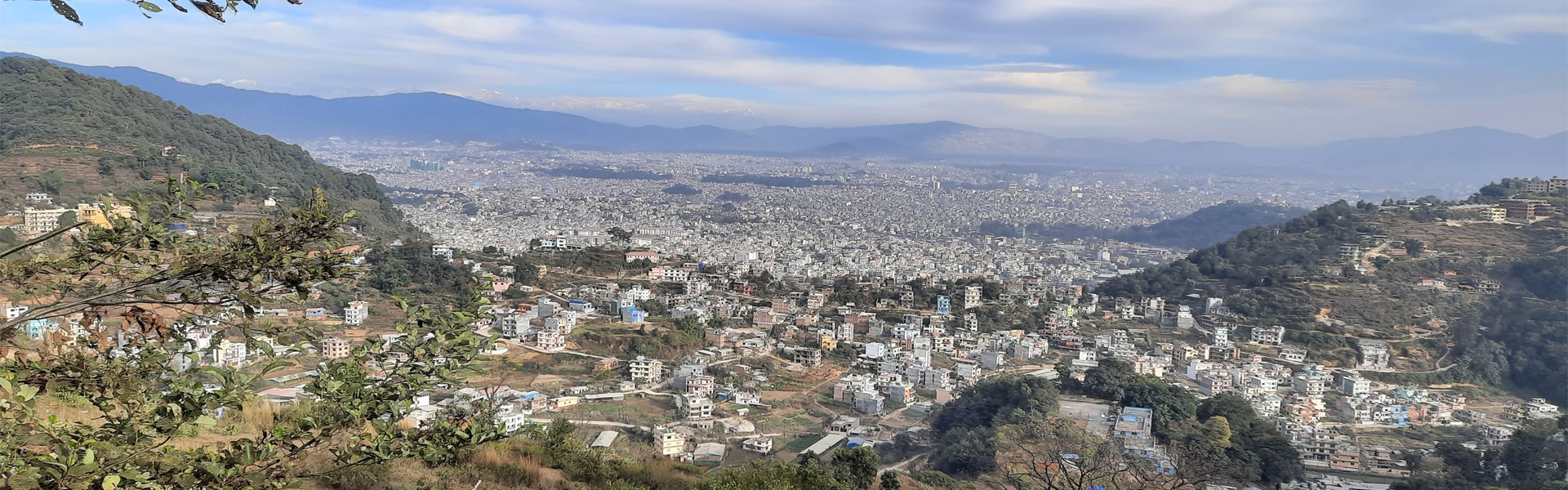
"From sacred monasteries and hidden forest trails to breathtaking Himalayan viewpoints, discover the best day hikes around Kathmandu, where every trail leads to a new adventure."
Best Day Hiking Around Kathmandu
Kathmandu is more than Nepal’s cultural capital; it’s one of the best destinations in South Asia for short day hikes. Within one to three hours from the city center, you can reach peaceful forests, Buddhist monasteries, hilltops, wildlife habitats, ancient temples, and spectacular Himalayan viewpoints.
Whether you’re looking for a half-day hike near Kathmandu, a full-day trekking experience, or a weekend nature escape, Kathmandu Valley offers trails suitable for beginners, families, photographers, bird watchers, and experienced hikers alike. From the dense forests of Shivapuri National Park to the panoramic summit of Pulchowki, from the sacred Namobuddha Monastery to the adventurous Nagarkot to Dhulikhel hike, every trail offers a unique experience.
This guide covers the best day hikes around Kathmandu, including hiking duration, difficulty level, starting points, best seasons, elevation, major attractions, permit requirements, and practical hiking tips. Whether you’re visiting Nepal for a few days or living in Kathmandu, these hikes are perfect for experiencing nature without committing to a multi-day trek.
Why Choose Day Hiking Around Kathmandu?
Day hikes around Kathmandu have become increasingly popular among travelers, students, families, digital nomads, and local hiking groups. Unlike high-altitude trekking, these trails require minimal preparation while offering rewarding mountain scenery.
Some reasons why hikers love Kathmandu Valley include:
- Easy accessibility from the city
- Beautiful Himalayan viewpoints
- Rich cultural heritage
- Buddhist monasteries and Hindu temples
- Diverse wildlife and birdwatching
- Forest trails throughout the year
- Affordable transportation
- Suitable for beginners and experienced hikers
Most trails can be completed within 5–8 hours, making them perfect for weekends or even weekday adventures.
Best Season for Day Hiking Around Kathmandu
Although many trails remain accessible throughout the year, choosing the right season significantly improves your hiking experience. You can except huge crowds during the public holidays, in almost all hiking trails.
Spring (March–May)
Spring is widely considered the best season for hiking around Kathmandu.
Highlights include:
- Rhododendron forests in full bloom
- Pleasant temperatures
- Excellent mountain visibility
- Colorful landscapes
- Active birdlife
Pulchowki and Shivapuri are particularly beautiful during Aprill.
Autumn (September–November)
Autumn offers crystal-clear Himalayan views after the monsoon rains.
Advantages include:
- Stable weather
- Dry trails
- Comfortable temperatures
- Best photography conditions
- Peak hiking season
October and November are the busiest months for day hikes.
Winter (December–February)
Winter provides excellent visibility, although mornings can be cold.
Expect:
- Snow occasionally at higher elevations (Phulchowki, Chandragiri)
- Crisp mountain panoramas
- Comfortable daytime hiking
Monsoon (June–August)
Monsoon hiking is possible but requires caution.
Conditions include:
- Slippery forest trails
- Leeches in dense forests
- Frequent rain showers
- Lush green landscapes
- Waterfalls at their best
- Carry waterproof clothing and proper hiking shoes.
Essential Tips Before Hiking Around Kathmandu
Before heading out, keep these practical tips in mind.
- Start Early: Most hikes are best started between 7:30 AM and 8:30 AM to avoid afternoon clouds and enjoy cooler temperatures.
- Wear Proper Hiking Shoes: Forest trails become slippery after rain, making sturdy footwear essential.
- Carry Enough Water: Bring at least 2 liters of drinking water, especially during spring and autumn.
- Pack Light: A small backpack with snacks, sunscreen, a rain jacket, sunglasses, and a first-aid kit is sufficient for most hikes.
- Respect Local Culture: Many routes pass through monasteries and temples. Dress modestly and follow local customs.
- Mobile Network: Most hiking areas have Nepal Telecom and Ncell coverage, though some forest sections may have weaker signals.
- Permits/Park Fees: Some hiking trails requires the National Park Fees, so learn about it in advance and get in before entering the hiking trail.
Top 13 Day Hiking Around Kathmandu
Pulchowki Hike
Pulchowki is the highest hill surrounding Kathmandu Valley and is considered one of the finest day hiking destinations near Kathmandu. The trail passes through thick oak, pine, and rhododendron forests before reaching a panoramic summit that offers spectacular views of Langtang, Ganesh Himal, Dorje Lakpa, Gaurishankar, and even Everest on exceptionally clear days.
Spring transforms Pulchowki into one of Nepal’s most colorful hiking destinations as thousands of rhododendrons bloom across the mountainside, and during winter you can experience a little snow as well on the top of the hike.
Hiking Overview
| Information | Details |
| Elevation | 2,782 meters |
| Duration | 6–8 hours |
| Difficulty | Moderate |
| Starting Point | Godawari |
| Ending Point | Pulchowki Peak |
| Best Season | March–May, September–November |
Highlights
- Highest hill around Kathmandu Valley
- Dense rhododendron forests
- Outstanding Himalayan panorama
- Excellent birdwatching destination
- Rich biodiversity
- Peaceful forest atmosphere
Shivapuri National Park Hikes
Located on the northern edge of Kathmandu, Shivapuri National Park protects one of the valley’s most important forest ecosystems and water sources. The park offers several well-maintained hiking routes that range from short monastery walks to challenging summit hikes.
Because of its proximity to the city, Shivapuri is among the most visited national parks in Nepal for day hiking.
Why Visit Shivapuri?
The park is home to over 300 bird species, Himalayan black bears, barking deer, rhesus monkeys, butterflies, freshwater springs, Buddhist monasteries, and dense mixed forests. Visitors must pay an entrance fee before entering the national park.
Within the Shivapuri National Park, there are several hiking destinations in different directions, which includes:
Bishnudwar Hike
Bishnudwar is believed to be the sacred source of the Bishnumati River. Hidden deep inside Shivapuri National Park, the trail gradually ascends through peaceful forests before reaching a small temple beside the spring.
Hiking Details
| Information | Details |
| Duration | 4–5 hours |
| Difficulty | Easy to Moderate |
| Starting Point | Budhanilkantha |
| Best Season | All year |
Highlights
- Sacred water source
- Forest trails
- Religious significance
- Peaceful surroundings
Baghdwar Hike
Baghdwar is regarded as one of the primary sources of the Bagmati River, Nepal’s most sacred river. The route is slightly longer than Bishnudwar and passes through beautiful forest sections.
Hiking Details
| Information | Details |
| Duration | 6–7 hours |
| Difficulty | Moderate |
| Starting Point | Budhanilkantha |
Highlights
- Source of Bagmati River
- Dense forest
- Wildlife sightings
- Spiritual destination
Manichud Hike
Manichud is the highest point inside Shivapuri National Park and one of the most rewarding summit hikes around Kathmandu. Although it requires more effort than Bishnudwar or Baghdwar, hikers are rewarded with panoramic views of the Himalayas, Kathmandu Valley, and surrounding hills. The trail passes through dense oak, rhododendron, and pine forests, making it an excellent destination for nature lovers.
Hiking Overview
| Information | Details |
| Elevation | 2,732 meters |
| Duration | 7–8 hours |
| Difficulty | Moderate to Challenging |
| Starting Point | Budhanilkantha |
| Best Season | March–May, September–November |
Highlights
- One of the Highest viewpoint inside Shivapuri National Park
- Panoramic Himalayan scenery
- Quiet forest trails
- Rich birdlife and wildlife
- Ideal for experienced day hikers
Nagi Gumba Hike
Nagi Gumba, also known as Nagi Gompa, is one of the easiest and most peaceful monastery hikes near Kathmandu. Situated on a forested hillside inside Shivapuri National Park, the monastery serves as a meditation center for Buddhist nuns and offers stunning views over Kathmandu Valley.
The trail is ideal for beginners, families, and anyone seeking a short escape from the city’s hustle.
Hiking Overview
| Information | Details |
| Elevation | Approximately 2,100 meters |
| Duration | 3–4 hours |
| Difficulty | Easy |
| Starting Point | Budhanilkantha |
| Best Season | Throughout the year |
Highlights
- Beautiful Buddhist monastery
- Peaceful meditation environment
- Forest walking trails
- Excellent Kathmandu Valley views
- Beginner-friendly hike
Jamacho Hill Hike (Nagarjun Hill)
Jamacho Hill is one of the most popular hiking destinations on the western side of Kathmandu Valley. Located inside Nagarjun Forest, which is part of Shivapuri Nagarjun National Park, the trail offers a pleasant climb through dense forest before reaching a hilltop viewpoint crowned by a Buddhist stupa and observation tower.
On clear days, hikers enjoy breathtaking views of Kathmandu Valley along with mountain ranges stretching from Langtang to Manaslu.
Hiking Overview
| Information | Details |
| Elevation | 2,128 meters |
| Duration | 6–7 hours |
| Difficulty | Moderate |
| Starting Point | Fulbari Gate, Balaju |
| Best Season | Spring, Autumn, Winter |
Highlights
- Beautiful forest environment
- Panoramic Himalayan views
- Observation tower
- Buddhist stupa
- Excellent birdwatching
- Close to Kathmandu city
Flora and Fauna
Jamacho Hill is home to numerous wildlife species including:
- Rhesus monkeys
- Barking deer
- Himalayan birds
- Butterflies
- Various medicinal plants
The forest is especially beautiful during spring when flowers bloom across the hillsides.
White Gumba (Amitabha Monastery) Hike
White Gumba, officially known as Amitabha Monastery, is among the most photogenic hiking destinations around Kathmandu. The brilliant white monastery sits atop a ridge overlooking Kathmandu Valley and attracts both hikers and photographers throughout the year.
Unlike longer mountain hikes, White Gumba provides a relatively easy walking experience while offering excellent viewpoints and peaceful surroundings.
Hiking Overview
| Information | Details |
| Elevation | Approximately 1,800 meters |
| Duration | 3–4 hours |
| Difficulty | Easy |
| Starting Point | Balaju or Ramkot |
| Best Season | Throughout the year |
Highlights
- Stunning white monastery
- Beautiful valley panorama
- Peaceful atmosphere
- Family-friendly hiking route
- Great sunrise and sunset location
- Popular photography destination
Champadevi Hill Hike
Champadevi is one of Kathmandu’s classic hiking destinations, offering a combination of religious significance, lush forests, and spectacular Himalayan views. At an elevation of approximately 2,285 meters, the summit provides panoramic views stretching across Kathmandu Valley, Phulchowki, Langtang, Ganesh Himal, and the surrounding hills.
One of the unique aspects of Champadevi is that hikers can reach the summit through multiple routes, each offering a different experience.
Champadevi Hike from Bosan Dada
The Bosan Dada route is considered one of the quieter approaches to Champadevi. Passing through peaceful villages, cultivated farmland, and forested ridges, this trail offers a pleasant balance of nature and rural scenery.
Hiking Overview
| Information | Details |
| Duration | 5–6 hours |
| Difficulty | Moderate |
| Starting Point | Bosan Dada |
| Ending Point | Champadevi Summit |
Highlights
- Scenic village landscapes
- Forest trails
- Fewer crowds
- Panoramic mountain views
- Traditional countryside experience
Champadevi Hike from Hatiban Resort
The Hatiban Resort route is the most popular and frequently used trail to Champadevi. It follows a well-defined forest path with gradual ascents, making it suitable for most hikers with average fitness.
Hiking Overview
| Information | Details |
| Duration | 5–6 hours |
| Difficulty | Moderate |
| Starting Point | Hatiban Resort |
| Best Season | Spring and Autumn |
Highlights
- Well-marked trail
- Dense pine forest
- Beautiful viewpoints
- Easy transportation from Kathmandu
- Popular weekend hiking destination
Champadevi Hike from Machhe Gaun
The Machhe Gaun route is the shortest approach to Champadevi, making it suitable for hikers who prefer a slightly shorter climb while still reaching the summit.
Hiking Overview
| Information | Details |
| Duration | 4–5 hours |
| Difficulty | Moderate |
| Starting Point | Machhe Gaun |
Highlights
- Shortest route to Champadevi
- Forest and village scenery
- Panoramic summit
- Excellent weekend hike
Which Champadevi Route is Best?
Each route has its own advantages:
| Route | Best For |
| Bosan Dada | Scenic countryside and quieter trails |
| Hatiban Resort | First-time hikers and most popular access |
| Machhe Gaun | Shorter hiking duration |
Regardless of the route chosen, Champadevi remains one of the finest day hikes near Kathmandu, especially during October, November, March, and April when weather conditions are ideal and Himalayan visibility is at its best.
Chandragiri Hill Hike
Chandragiri Hill is one of the most famous viewpoints around Kathmandu, offering magnificent panoramic views of the Himalayas, Kathmandu Valley, and lush green hills. While many visitors reach the summit by cable car, hiking to Chandragiri provides a much more rewarding experience through forests, villages, and historical trails.
At an elevation of 2,551 meters, Chandragiri is believed to be the place where King Prithvi Narayan Shah first observed Kathmandu Valley before beginning Nepal’s unification campaign. The summit is home to the sacred Bhaleshwor Mahadev Temple, restaurants, viewpoints, and recreational facilities.
Chandragiri Hike from Chandragiri Cable Car Station
This is the classic hiking route and the most popular trail for those wishing to hike uphill instead of taking the cable car. The trail gradually climbs through dense forests with numerous resting points before reaching the summit.
Hiking Overview
| Information | Details |
| Elevation | 2,551 meters |
| Duration | 5–6 hours |
| Difficulty | Moderate |
| Starting Point | Chandragiri Cable Car Base Station |
| Ending Point | Bhaleshwor Mahadev Temple |
| Best Season | March–May, September–November |
Highlights
- Beautiful forest trail
- Himalayan panorama
- Bhaleshwor Mahadev Temple
- Cable car available for descent
- Excellent sunrise views
- Weekend hiking destination
Chandragiri Hike from Machhe Gaun via Bhasmasur Hill
For experienced hikers seeking a quieter trail, the Machhe Gaun route via Bhasmasur Hill offers a more adventurous experience. This trail traverses peaceful forests, ridgelines, and less crowded sections before reaching Chandragiri summit.
Hiking Overview
| Information | Details |
| Elevation | 2,551 meters |
| Duration | 6–7 hours |
| Difficulty | Moderate to Challenging |
| Starting Point | Machhe Gaun |
| Route | Via Bhasmasur Hill |
| Best Season | Spring and Autumn |
Highlights
- Less crowded hiking trail
- Dense forest
- Himalayan viewpoints
- Birdwatching opportunities
- Peaceful natural surroundings
Which Chandragiri Route is Better?
| Route | Best For |
| Cable Car Base Station | First-time visitors and easier access |
| Machhe Gaun via Bhasmasur | Experienced hikers seeking quieter trails |
Both routes reward hikers with one of the finest mountain viewpoints around Kathmandu.
Changunarayan Temple Hike (From Nagarkot)
The Nagarkot to Changunarayan Hike is widely regarded as one of the most scenic cultural hikes in Kathmandu Valley. Combining Himalayan views, terraced farmland, traditional villages, and UNESCO World Heritage Site, this trail is perfect for travelers looking for both natural beauty and cultural exploration.
Unlike steep mountain hikes, this route is mostly downhill, making it suitable for beginners and families. The hike concludes at the historic Changunarayan Temple, the oldest surviving Hindu temple in Nepal.
Hiking Overview
| Information | Details |
| Duration | 4–5 hours |
| Difficulty | Easy |
| Starting Point | Nagarkot |
| Ending Point | Changunarayan Temple |
| Best Season | October–April |
Highlights
- Himalayan mountain views
- Traditional Newari villages
- Terraced farmlands
- UNESCO World Heritage Site
- Easy downhill walking
- Local cultural experience
Namobuddha Monastery Hike
Namobuddha is one of Nepal’s holiest Buddhist pilgrimage sites and among the most peaceful day hiking destinations near Kathmandu. The monastery is associated with the famous legend of Prince Mahasattva, who is believed to have sacrificed himself to feed a starving tigress and her cubs. Surrounded by forests, monasteries, and terraced hills, Namobuddha offers a perfect combination of spirituality and nature.
Namobuddha Hike from Dhulikhel
The hike from Dhulikhel to Namobuddha is among the most popular short treks in Kavrepalanchok District. It passes through beautiful villages, pine forests, and cultivated farmland before reaching the monastery.
Hiking Overview
| Information | Details |
| Duration | 5–6 hours |
| Difficulty | Easy to Moderate |
| Starting Point | Dhulikhel |
| Ending Point | Namobuddha Monastery |
| Best Season | Throughout the year |
Highlights
- Beautiful countryside
- Monastery exploration
- Himalayan viewpoints
- Traditional Tamang and Newar villages
- Peaceful atmosphere
Namobuddha Hike from Balthali
The Balthali route is slightly shorter, offering a more rural experience with fewer visitors. The trail winds through forests, small villages, rice terraces, and peaceful countryside.
Hiking Overview
| Information | Details |
| Duration | 4–5 hours |
| Difficulty | Easy to Moderate |
| Starting Point | Balthali |
| Ending Point | Namobuddha Monastery |
Highlights
- Quiet rural landscapes
- Traditional villages
- Forest trails
- Agricultural terraces
- Monastery visit
Which Namobuddha Route is Best?
| Route | Best For |
| Dhulikhel | Shorter hike and first-time visitors |
| Balthali | Rural scenery and quieter trails |
Regardless of the route, Namobuddha remains one of the most rewarding spiritual day hikes near Kathmandu.
Pharping Circuit Hike
The Pharping Circuit is one of the most culturally rich hiking routes in Kathmandu Valley. Instead of focusing solely on mountain viewpoints, this circuit combines sacred Buddhist pilgrimage sites, ancient Hindu temples, caves, monasteries, and natural landmarks into one memorable day hike. Located about 20 kilometers south of Kathmandu, Pharping has long been an important destination for both Buddhist practitioners and Hindu pilgrims.
Hiking Overview
| Information | Details |
| Duration | 6–7 hours |
| Difficulty | Easy to Moderate |
| Starting Point | Pharping |
| Ending Point | Chobar or Dakshinkali |
| Best Season | Throughout the year |
Highlights
- Asura Cave
- Dakshinkali Temple
- Sesh Narayan Temple
- Chobar Gorge
- Tibetan monasteries
- Village landscapes
Asura Cave
Asura Cave is one of the holiest meditation caves in Tibetan Buddhism. It is believed that Guru Padmasambhava attained profound spiritual realization while meditating here before spreading Buddhism to Tibet. The cave attracts pilgrims from around the world throughout the year and offers visitors an opportunity to experience its sacred atmosphere, prayer wheels, and ancient religious history.
Dakshinkali Temple
Dakshinkali Temple is one of Nepal’s most important Hindu temples dedicated to Goddess Kali. Thousands of devotees visit the temple every Tuesday and Saturday, especially during religious festivals. Visitors interested in cultural experiences often include the temple as part of the hiking circuit to explore its ancient heritage, traditional architecture, and vibrant religious traditions.
Sesh Narayan Temple
Located in a peaceful forest setting, Sesh Narayan Temple is dedicated to Lord Vishnu and is one of the four sacred Narayan temples of Kathmandu Valley. Surrounded by tranquil forests and a sacred spring, the ancient temple provides visitors with a quiet atmosphere for reflection while offering a glimpse into the religious and cultural heritage of the valley.
Chobar Gorge
The final highlight of the circuit is Chobar Gorge, a dramatic geological formation associated with the legend of Manjushree, who is believed to have cut the gorge to drain the ancient lake that once covered Kathmandu Valley. Visitors can enjoy scenic viewpoints, cross the suspension bridge, explore the historic gorge, and capture memorable photographs while experiencing its rich cultural significance.
Essential Packing List for Day Hiking Around Kathmandu
A successful day hike begins with proper preparation. While most hikes around Kathmandu do not require technical gear, carrying the right essentials will make your journey safer and more comfortable.
Clothing
- Moisture-wicking T-shirt
- Lightweight hiking pants
- Waterproof jacket (especially during monsoon)
- Warm fleece or jacket during winter
- Hat or cap
- Sunglasses
Footwear
- Comfortable hiking boots or trail running shoes
- Moisture-wicking hiking socks
Food and Water
- At least 2 liters of drinking water
- Energy bars
- Fruits
- Sandwiches or packed lunch
- Electrolyte tablets (optional)
Navigation
- Offline Google Maps or hiking app
- Fully charged mobile phone
- Power bank
Safety Items
- Small first-aid kit
- Sunscreen
- Insect repellent
- Trekking poles (optional)
- Headlamp (if starting early or finishing late)
Safety Tips for Hiking Near Kathmandu
Following a few basic precautions can help ensure a safe and enjoyable hiking experience.
- Check the weather forecast before starting.
- Begin your hike early to avoid afternoon clouds and heat.
- Stay on marked trails.
- Carry enough water and snacks.
- Inform someone about your hiking plan.
- Respect wildlife and avoid feeding animals.
- Keep the trails clean by carrying back all waste.
- Dress respectfully when visiting temples and monasteries.
- During monsoon, watch for slippery sections and leeches.
- Avoid hiking alone on unfamiliar routes after dark.
Frequently Asked Questions (FAQs) About the Best Day Hiking Around Kathmandu
1. What are the best day hikes near Kathmandu?
Some of the best day hikes around Kathmandu include Pulchowki, Shivapuri National Park (Bishnudwar, Baghdwar, Manichud, and Nagi Gumba), Chandragiri Hill, Champadevi, Jamacho Hill, White Gumba, Nagarkot to Dhulikhel, Changunarayan from Nagarkot, Namobuddha, Kakani to Suryachaur, Dhap Dam, and the Pharping Circuit.
2. Which is the easiest day hike near Kathmandu for beginners?
Nagi Gumba, White Gumba (Amitabha Monastery), Bishnudwar, and the Nagarkot to Changunarayan hike are among the easiest hiking trails near Kathmandu. These routes have gradual ascents and are suitable for families and first-time hikers.
3. Which is the most difficult day hike around Kathmandu?
Dhap Dam and Manichud inside Shivapuri National Park are considered the most challenging day hikes near Kathmandu because of their longer distances and steeper climbs.
4. What is the best time of year for hiking around Kathmandu?
The best seasons are spring (March to May) and autumn (September to November). These months offer clear skies, comfortable temperatures, blooming rhododendrons (spring), and spectacular Himalayan mountain views. However, these hikes are accessible at all times of the year.
5. Can I hike around Kathmandu during the monsoon?
Yes. Most hiking trails remain open during the monsoon (June to August), but hikers should expect slippery trails, muddy paths, occasional leeches, and reduced mountain visibility. Waterproof gear and proper hiking shoes are highly recommended.
6. Are Kathmandu day hikes suitable during winter?
Absolutely. Winter (December to February) is one of the best times for photography because the air is clear and the Himalayan views are excellent. Morning temperatures can be cold, especially above 2,000 meters, so warm clothing is essential.
7. Do I need a guide for day hiking around Kathmandu?
Most popular hiking trails can be completed independently using offline maps or GPS apps. However, hiring a local guide can enhance your experience by providing cultural insights and local history, and by ensuring you stay on the correct route, especially on lesser-known trails.
8. Which hikes require an entrance permit?
Hiking inside Shivapuri Nagarjun National Park, including Bishnudwar, Baghdwar, Manichud, Nagi Gumba, Shivapuri Peak, Dhap Dam, and Jamacho Hill, requires a national park entrance permit. Most other hiking routes around Kathmandu do not require permits.
9. How much is the Shivapuri National Park entry fee?
The entrance fee varies depending on whether you are a Nepali citizen, SAARC national, or international visitor. It’s best to check the latest official rates before your trip, as fees may change.
Particulars | Rate (Rs.) | Remarks |
| Nepali citizen | 100 | Per day/per person/per entry |
| SAARC citizen | 600 | Per day/per person/per entry |
| Other Foreigners | 1000 | Per day/per person/per entry |
10. Which day hike offers the best Himalayan views?
Pulchowki, Chandragiri Hill, Nagarkot to Dhulikhel, Kakani to Suryachaur, and Champadevi provide some of the best panoramic views of the Himalayas, including Langtang, Ganesh Himal, Manaslu, Gaurishankar, and, on exceptionally clear days, Mount Everest.
11. Which hike is closest to Kathmandu city?
White Gumba, Jamacho Hill, Chandragiri, and hikes within Shivapuri National Park are among the closest hiking destinations, with trailheads reachable within 20–40 minutes from central Kathmandu.
12. Can children join these hikes?
Yes. Trails such as White Gumba, Bishnudwar, Nagi Gumba, and the Nagarkot to Changunarayan hike are suitable for families with children who are comfortable walking for several hours.
13. Are these hikes suitable for solo travelers?
Yes. Popular hiking routes around Kathmandu are generally safe for solo travelers, especially during weekends when many local hikers are on the trails. It is still advisable to inform someone of your itinerary and avoid hiking after dark.
14. What wildlife can I see while hiking near Kathmandu?
Depending on the trail, you may encounter rhesus monkeys, barking deer, wild boars, langurs, pheasants, woodpeckers, butterflies, and more than 300 species of birds, particularly inside Shivapuri National Park.
15. Which hiking trail is best for birdwatching?
Pulchowki Hill is widely recognized as Nepal’s premier birdwatching destination. Shivapuri National Park and Nagarjun Forest (Jamacho Hill) are also excellent for spotting native and migratory bird species.
16. Are there restaurants or tea houses along the hiking routes?
There are no restaurants inside the hiking trails in the forest. However, some trails pass through villages (during Nagarkot, Dhulikhel, Kakani, Namobuddha, and Pharping), where you can find local tea shops, small restaurants, and cafés.
17. Can I camp on these hiking trails?
Most day hikers return to Kathmandu on the same day. Camping is generally uncommon. Nearby hotels and homestays are available in places such as Nagarkot, Dhulikhel, Kakani, and Namobuddha.
18. What should I pack for a Kathmandu day hike?
Essential items include comfortable hiking shoes, 2 liters of water, snacks, sunscreen, a hat, sunglasses, a rain jacket (during monsoon), a light fleece (during winter), a power bank, and a basic first-aid kit.
19. How many hours do most Kathmandu day hikes take?
Most hikes can be completed within 5 to 8 hours, depending on the route, pace, weather conditions, and the number of sightseeing stops.
20. Which day hike is best for photography?
Pulchowki, Chandragiri, Dhap Dam, White Gumba, Kakani, and the Nagarkot–Dhulikhel trail are among the most photogenic hiking destinations near Kathmandu due to their mountain views, forests, monasteries, and scenic landscapes.
21. Which day hike combines nature with cultural heritage?
The Pharping Circuit, Dhulikhel-Namobuddha, Nagarkot to Changunarayan, and Chandragiri Hill offer an excellent combination of hiking, temples, monasteries, religious sites, and traditional villages.
22. Can I use public transportation to reach the trailheads?
Yes. Many trailheads, including Budhanilkantha, Godawari, Pharping, Chandragiri, Kakani, Nagarkot, Dhulikhel, Sundarijal, and Machhe Gaun, are accessible by local buses, microbuses, or taxis from Kathmandu.
23: Which is the overall best day hike around Kathmandu?
There is no single “best” hike because it depends on your interests:
- Best mountain views: Pulchowki and Chandragiri
- Best forest hike: Shivapuri National Park
- Best monastery hike: Namobuddha and White Gumba
- Best cultural hike: Nagarkot to Changunarayan
- Best beginner hike: Bishnudwar, Nagi Gumba
- Best family-friendly hike: Baghdwar, Dhap Dam
- Best hidden gem: Ranikot – Lankuri Bhanjyang – Pilot Baba
- Best all-round experience: Nagarkot to Dhulikhel
24. What are the best months for hiking around Kathmandu?
The most recommended months are March, April, October, and November, when the weather is stable, temperatures are pleasant, and visibility of the Himalayan peaks is usually at its best.
25. Is travel insurance necessary for day hiking around Kathmandu?
While it is not mandatory for most day hikes, travel insurance that covers outdoor activities is recommended for international visitors. It provides peace of mind in case of injuries, medical emergencies, or unexpected trip interruptions.
26. Can I complete multiple day hikes during a short visit to Kathmandu?
Yes. If you’re spending 4–7 days in Kathmandu, you can easily combine several hikes such as White Gumba, Jamacho Hill, Chandragiri, Shivapuri, and Nagarkot–Dhulikhel, allowing you to experience forests, monasteries, mountain viewpoints, and local culture in a single trip.
27. Are Kathmandu hiking trails open throughout the year?
Most hiking trails around Kathmandu are open year-round. However, weather conditions such as heavy monsoon rains, occasional landslides, or maintenance work inside national parks may temporarily affect accessibility.
Final Thoughts
Whether you’re looking for a peaceful monastery walk, a forest adventure, a Himalayan viewpoint, or a culturally rich trail through traditional villages, the best day hiking around Kathmandu offers something for every type of traveler.
From the towering summit of Pulchowki and the tranquil forests of Shivapuri National Park to the spiritual atmosphere of Namobuddha, the panoramic ridges of Chandragiri, and the scenic Nagarkot–Dhulikhel trail, these hikes showcase the incredible diversity of the Kathmandu Valley.
With proper planning, suitable gear, and the right season, you can enjoy unforgettable hiking experiences just a short drive from Nepal’s capital. Whether you’re visiting in spring for blooming rhododendrons, autumn for crystal-clear Himalayan views, or winter for peaceful trails, these routes are among the finest day hikes in Nepal and deserve a place on every outdoor enthusiast’s itinerary.