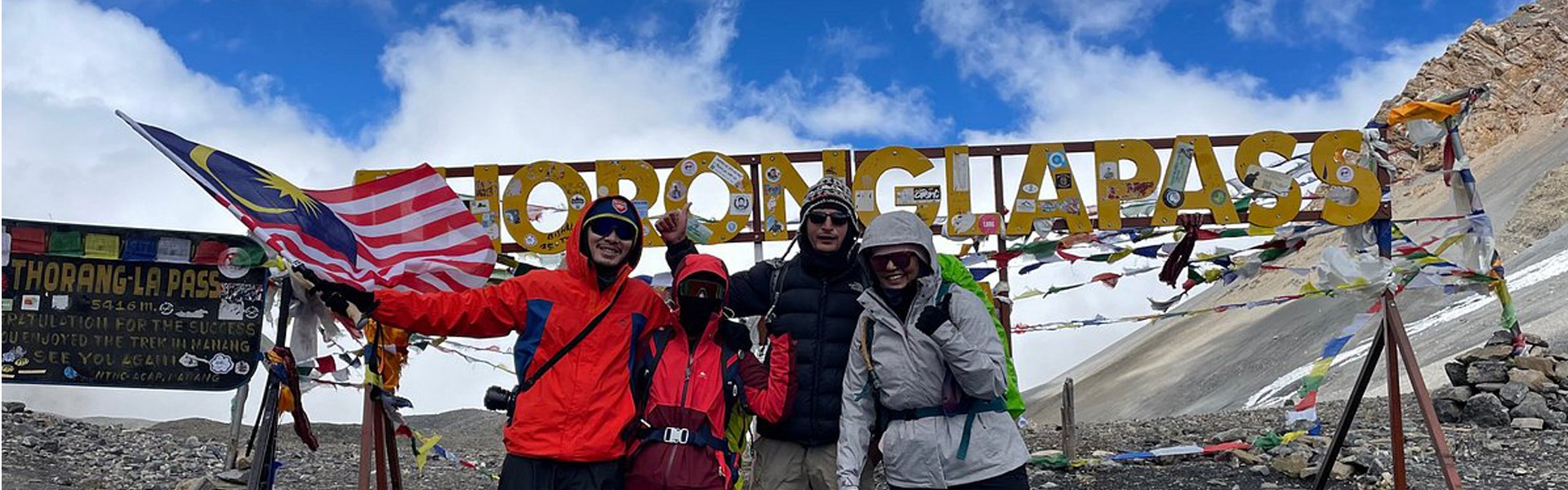
The Annapurna Circuit Trek is one of Nepal’s most spectacular trekking adventures, offering breathtaking Himalayan views, diverse landscapes, traditional mountain villages, and rich cultural experiences. From the lush green valleys of the lower Annapurna region to the dramatic high-altitude terrain surrounding Thorong La Pass (5,416 m), every section of the trail offers something unique. However, choosing the right time to trek is essential to making the most of this incredible journey. In this guide, we’ll explore the best time to visit the Annapurna Circuit Trek, including seasonal weather conditions and trail experiences.
Best time to visit Annapurna Circuit Trek
Table of Contents
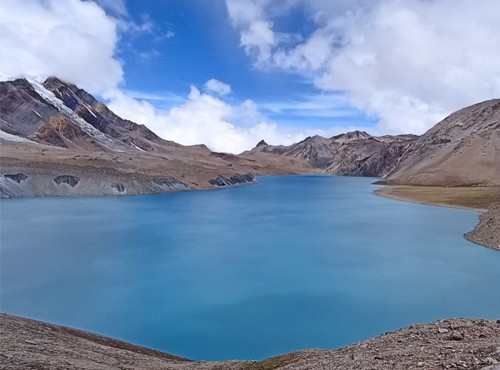
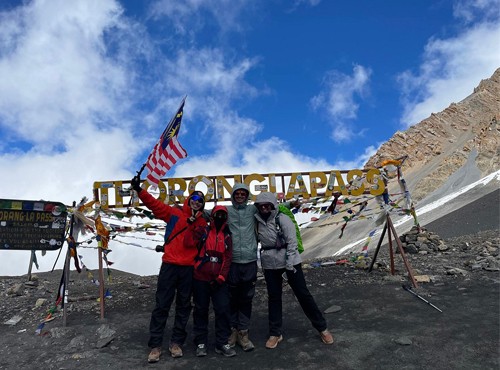

Best Time for Annapurna Circuit Trek
The ideal time to trek the Annapurna Circuit is during spring (March to May) and autumn (September to November). Although each season has its own charm, these months generally offer the best weather, clear mountain views, and comfortable trekking conditions.
Spring (March to May)
Spring is an excellent time to trek the Annapurna Circuit. Along the trails, you’ll walk through beautiful rhododendron forests filled with colorful blooms. As winter comes to an end, temperatures warm up, and daytime trekking is generally comfortable. The days are also longer, which gives you more time to walk and explore. Best of all, snow-capped Himalayan peaks rise above blooming forests, green hillsides, and valleys, creating a striking contrast. Spring is perfect for nature lovers, photographers, and trekkers who enjoy warmer weather and colorful mountain landscapes.
Ideal Weather Conditions for Crossing Thorong La Pass (5,416 m):
Spring brings some of the best conditions for crossing the spectacular Thorong La Pass, one of the major highlights of the Annapurna Circuit Trek. As the weather gradually warms up, the days become more pleasant, and clear mornings often reward trekkers with breathtaking views of the snow-covered Himalayan peaks. The early morning climb can still be cold, but reaching the top and standing at 5,416 metres, surrounded by towering mountains, makes every step worthwhile. Starting early also helps you avoid strong afternoon winds and enjoy a safer, more comfortable crossing. It's a challenging adventure, but the incredible mountain scenery and sense of achievement make it an unforgettable part of the journey.
Beautiful Mountain Views and Comfortable Weather:
Spring is one of the most beautiful times to experience the Annapurna Circuit Trek. As you make your way from Chame (2,670 m) to Upper Pisang (3,300 m), you'll walk through lovely forests of blooming rhododendrons and magnolias, with colourful flowers bringing the trails to life. Along the way, the snow-covered Himalayan peaks shine beautifully under the warm spring sunshine, creating incredible scenery at every turn.
As you climb higher towards Yak Kharka (4,050 m) and Thorong Phedi (4,450 m), the landscapes gradually change into open alpine terrain, offering spectacular views of the surrounding mountains. Spring also brings warmer daytime temperatures and generally pleasant trekking conditions, making the high-altitude journey more enjoyable. The combination of colourful forests, sunny mountain views, and comfortable weather makes spring a truly rewarding season to explore the Annapurna Circuit.
Autumn (September - November)
Autumn is widely considered the best season for the Annapurna Circuit Trek. After the summer monsoon rains, the skies gradually become clearer, the landscapes look fresh, and the mountain views become particularly spectacular. During autumn, you can enjoy stunning views of Annapurna, Dhaulagiri, Manaslu, and other Himalayan peaks. The trails are usually dry, and conditions are generally favorable for crossing Thorong La Pass. Autumn is ideal for first-time trekkers, photographers, and travelers looking for the best combination of weather and mountain visibility.
Crystal-Clear Mountain Views
Autumn is one of the best times to enjoy breathtaking mountain views along the Annapurna Circuit Trek. After the monsoon season, the rain clears away dust and haze, leaving the air fresh and the skies mostly clear. As you trek through the region, you'll be rewarded with spectacular views of snow-capped peaks, including Annapurna, Dhaulagiri, and Gangapurna. From the beautiful village of Manang to the challenging crossing of Thorong La Pass (5,416 m), the surrounding Himalayan scenery looks truly magnificent. The clear blue skies and golden autumn sunlight make every mountain viewpoint special and provide fantastic opportunities for photography.
Beautiful Post-Monsoon Landscapes:
Autumn brings a fresh and beautiful look to the Annapurna Circuit after the summer monsoon. The rainfall leaves the hillsides green, the forests refreshed, and the rivers and waterfalls flowing with plenty of water. As you follow the trekking trails, you'll pass through charming villages, terraced fields, green valleys, and dramatic mountain landscapes. The contrast between lush green hillsides and snow-covered Himalayan peaks makes the scenery even more spectacular.
Winter (December- February)
Winter offers a completely different experience on the Annapurna Circuit Trek. The trails become quieter, the mountain landscapes are covered in snow, and the Himalayan views can be incredibly beautiful on clear days. With fewer trekkers on the route, you can enjoy a more peaceful trekking experience and explore traditional mountain villages at a relaxed pace. However, winter also brings freezing temperatures, heavy snowfall at higher elevations, and challenging conditions around Thorong La Pass (5,416 m). Some teahouses may close, and the pass can become temporarily inaccessible due to snow and bad weather.
Peaceful Trails with Fewer Trekkers
Winter is a quieter time to explore the Annapurna Circuit, as fewer trekkers visit the region compared to the busy spring and autumn seasons. The trails are more peaceful, allowing you to enjoy the beauty of the mountains without the usual crowds. You can take your time exploring traditional villages, enjoying the mountain scenery, and experiencing the local culture along the way. With fewer visitors around, the journey feels more personal and gives you a chance to enjoy the peaceful atmosphere of the Himalayas.
Beautiful Snow-Covered Himalayan Landscapes and Clear Mountain Views on Sunny Days:
Winter transforms the Annapurna Circuit into a beautiful snowy wonderland. The surrounding mountains, forests, and high-altitude trails are often covered in fresh snow, creating breathtaking scenery along the route. On clear, sunny days, you can enjoy spectacular views of the Annapurna and Dhaulagiri ranges against deep blue skies. The crisp mountain air, sparkling snow, and warm winter sunshine make the landscapes especially magical. Although temperatures can drop significantly, particularly at higher elevations, the peaceful atmosphere and stunning winter scenery make this season a unique experience for adventurous trekkers.
Monsoon (June - August)
The monsoon season brings a different kind of beauty to the Annapurna Circuit Trek. From June to August, rainfall turns the hillsides lush green, forests become fresh and vibrant, and waterfalls and rivers flow with full force. The landscapes look alive, offering a completely different experience compared to the dry seasons. However, monsoon is generally considered a less favourable time for the Annapurna Circuit because of frequent rainfall, cloudy skies, slippery trails, and possible landslides in some sections. Mountain views can also be limited by clouds and mist. The good news is that the Annapurna Circuit includes the rain-shadow areas of Manang and Mustang, where rainfall is considerably lower, making parts of the route more suitable for monsoon trekking.
Annapurna Circuit Trek Weather and Climate by Season
The Annapurna Circuit Trek offers different landscapes and weather conditions throughout the year. The charm of the Annapurna Circuit shifts with the calendar: colorful rhododendron blooms and comfortable temperatures in spring, crystal-clear mountain vistas in autumn, and snowy, quiet trails in winter. Knowing what the weather is like in each season will help you pick the best time to trek and get ready for what you’ll find along the trail.
Spring Season (March, April, and May)
Spring is one of the most popular seasons for the Annapurna Circuit Trek. Temperatures gradually become warmer, flowers begin to bloom, and the hillsides turn green. The trails are decorated with colourful rhododendrons and magnolias, while clear mornings often offer beautiful views of the snow-covered Himalayan peaks. Daytime temperatures generally range from 10°C to 20°C at lower elevations, while temperatures at higher elevations are cooler, often ranging from -5°C to 10°C. At night, temperatures can drop below freezing, particularly around Manang, Yak Kharka, and Thorong Phedi. Overall, daytime trekking conditions are generally comfortable, although warm clothing is essential for cold mornings and nights.
Summer and Monsoon Season (June, July, and August)
Summer coincides with the monsoon season in Nepal, bringing frequent rainfall, cloudy skies, and humid conditions, particularly in the lower sections of the Annapurna Circuit. Temperatures generally range from 15°C to 25°C at lower elevations, while higher areas such as Manang experience cooler temperatures of around 5°C to 15°C during the daytime. At night, temperatures can drop to around 0°C to 5°C or lower at higher elevations. During this season, the hillsides become lush and green, waterfalls flow strongly, and the surrounding landscapes look fresh and vibrant. However, muddy trails, leeches, landslides, and transportation delays can make trekking more challenging.
Autumn Season (September, October, and November)
Autumn is considered one of the best seasons for the Annapurna Circuit Trek. After the monsoon rains, the skies become clearer, the air feels fresh, and visibility of the Himalayan mountains is usually excellent. Trekkers can enjoy breathtaking views of the Annapurna and Dhaulagiri ranges, along with pleasant daytime temperatures and generally stable weather. Daytime temperatures typically range from 10°C to 20°C at lower elevations, while higher areas such as Manang experience temperatures of around 5°C to 12°C. At higher elevations, particularly around Yak Kharka and Thorong Phedi, temperatures can drop below freezing at night. October is particularly popular because of its favourable trekking conditions and spectacular mountain scenery. As November approaches, temperatures gradually become colder, especially at higher elevations.
Winter Season (December, January, and February)
Winter brings cold temperatures, quieter trails, and beautiful snow-covered Himalayan landscapes along the Annapurna Circuit. On clear, sunny days, trekkers can enjoy spectacular views of the surrounding Himalayan peaks and experience the peaceful atmosphere of the mountains without the usual crowds. Daytime temperatures generally range from 5°C to 15°C at lower elevations, while higher areas such as Manang can experience temperatures between -5°C and 5°C. Around Yak Kharka, Thorong Phedi, and Thorong La Pass (5,416 m), temperatures can drop well below freezing, particularly at night and during early morning hours. Heavy snowfall may block trails and make crossing Thorong La Pass difficult or temporarily impossible. Some teahouses may also close during this period. Winter trekking requires proper warm clothing, suitable equipment, careful preparation, and flexibility with the itinerary.
Best Time to Cross Thorong La Pass (5,416m)
Crossing Thorong La Pass is one of the biggest highlights of the Annapurna Circuit Trek. Rising to 5,416 metres, it is also among the toughest stretches of the entire trek. March to May and September to November are typically the ideal times to cross Thorong La Pass. You can expect more settled weather, sharper mountain views, and easier trail conditions, while crossings in winter and the monsoon are tougher, with heavy snow, gusty winds, rain, and limited visibility.
Weather Conditions at Thorong La Pass
Weather at Thorong La Pass can be unpredictable, even during the best trekking seasons. The daytime temperatures are generally cold, while early mornings and nights can be extremely chilly. Temperatures around the pass may range from approximately -10°C to 0°C during spring and autumn. Clear mornings are generally ideal for crossing the pass. You start early, often around 3:00–4:00 AM, to reach the top before afternoon winds and possible weather changes.
What to Pack for Annapurna Circuit Trek in 2027/2028
Clothing
- 2–3 quick-dry trekking T-shirts
- 2 trekking trousers
- 1–2 thermal base layers
- 1 fleece jacket
- 1 warm down jacket
- 1 waterproof and windproof jacket
- 1 pair of waterproof trousers
- 4–5 pairs of trekking socks
- 5–6 pairs of underwear
- Warm hat, sun hat, and neck warmer
- Warm gloves and liner gloves
Footwear
- Comfortable, waterproof trekking boots
- Lightweight sandals or slippers
- Extra trekking socks
Backpack and Equipment
- 25–35 litre daypack
- Backpack rain cover
- Trekking poles
- Headlamp
- Dry bags or waterproof bags
- Water bottles (2–3 litres capacity)
Personal Hygiene
- Toothbrush and toothpaste
- Shampoo and soap
- Quick-drying towel
- Sunscreen (SPF 30–50+)
- Lip balm
- Hand sanitiser
- Wet wipes and tissues
- Toilet paper
- Personal hygiene